
My Little Margie (1952–1955) — American television sitcom
A 1950s American half‑hour sitcom starring Gale Storm as the mischievous Margie and Charles Farrell as her widowed father; a black‑and‑white family comedy notable for its spirited daughter–father dynamic.
Overview
My Little Margie is an American television comedy series that originally aired in the early 1950s. The show centers on a lively young woman, Margie, and the gentle exasperation of her widowed father as her schemes and social life repeatedly upend his orderly world. The series is remembered for its lighthearted domestic humor and for showcasing its star's screen persona.
Image gallery
1 Image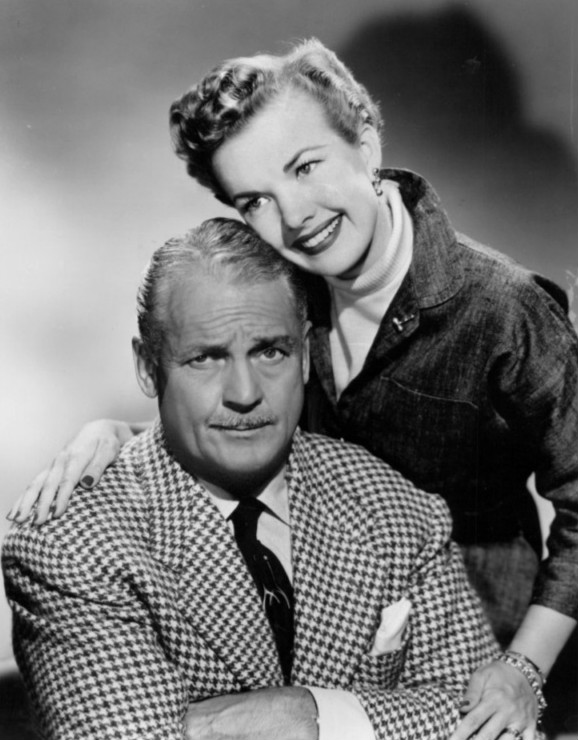
Format and principal characters
Produced as half‑hour, black‑and‑white episodes typical of early television, the program relied on situational comedy drawn from family and small‑town social situations. The title role was played by Gale Storm, whose Margie is spirited, resourceful and often the source of the plot's mischief. Charles Farrell co‑starred as Margie's father, the bemused and caring patriarch who tries to keep things on an even keel while accommodating his daughter's antics.
Production and style
The series was created and produced within the constraints and aesthetics of 1950s studio television: modest sets, straightforward storytelling, and an emphasis on character interaction rather than elaborate effects. Episodes followed self‑contained plots so they could be shown out of order in later rebroadcasts, a common practice for family sitcoms of the period.
Reception and legacy
While not as often cited as some later sitcoms, the show found a place in the early television landscape by offering wholesome, comedic family fare. It helped maintain the visibility of its lead actress and contributed to the era's pattern of father‑daughter comedies. In subsequent decades episodes have circulated in classic‑TV syndication and home‑video compilations, preserving the program for enthusiasts of vintage television.
Notable aspects
- Focus on interpersonal, domestic comedy rather than social satire or farce.
- Black‑and‑white production reflective of the time before widespread color broadcasting.
- Star vehicle that highlighted the charm and comedic timing of its lead performer.
Today the series is mainly of interest to students of television history and fans of 1950s popular culture, illustrating the narrative formulas and family dynamics that shaped early American sitcoms.
Related articles
Author
AlegsaOnline.com My Little Margie (1952–1955) — American television sitcom Leandro Alegsa
URL: https://en.alegsaonline.com/art/67913