
Müstair (Val Müstair, Graubünden)
Müstair is a village in the Val Müstair valley in Graubünden, Switzerland, known for the Benedictine Convent of Saint John (a UNESCO site), its alpine landscape and position near the country's easternmost point.
Overview
Müstair is a small mountain village in the Val Müstair valley. It lies in the administrative district of Inn within the canton of Graubünden in Switzerland. The settlement has a long history as a mountain community and retains a strong local identity: the Romansh language is widely used and traditional customs and folk culture remain visible in everyday life. The village functions today as a local service centre for surrounding alpine pastures and hamlets.
Image gallery
7 Images



Geography and landscape
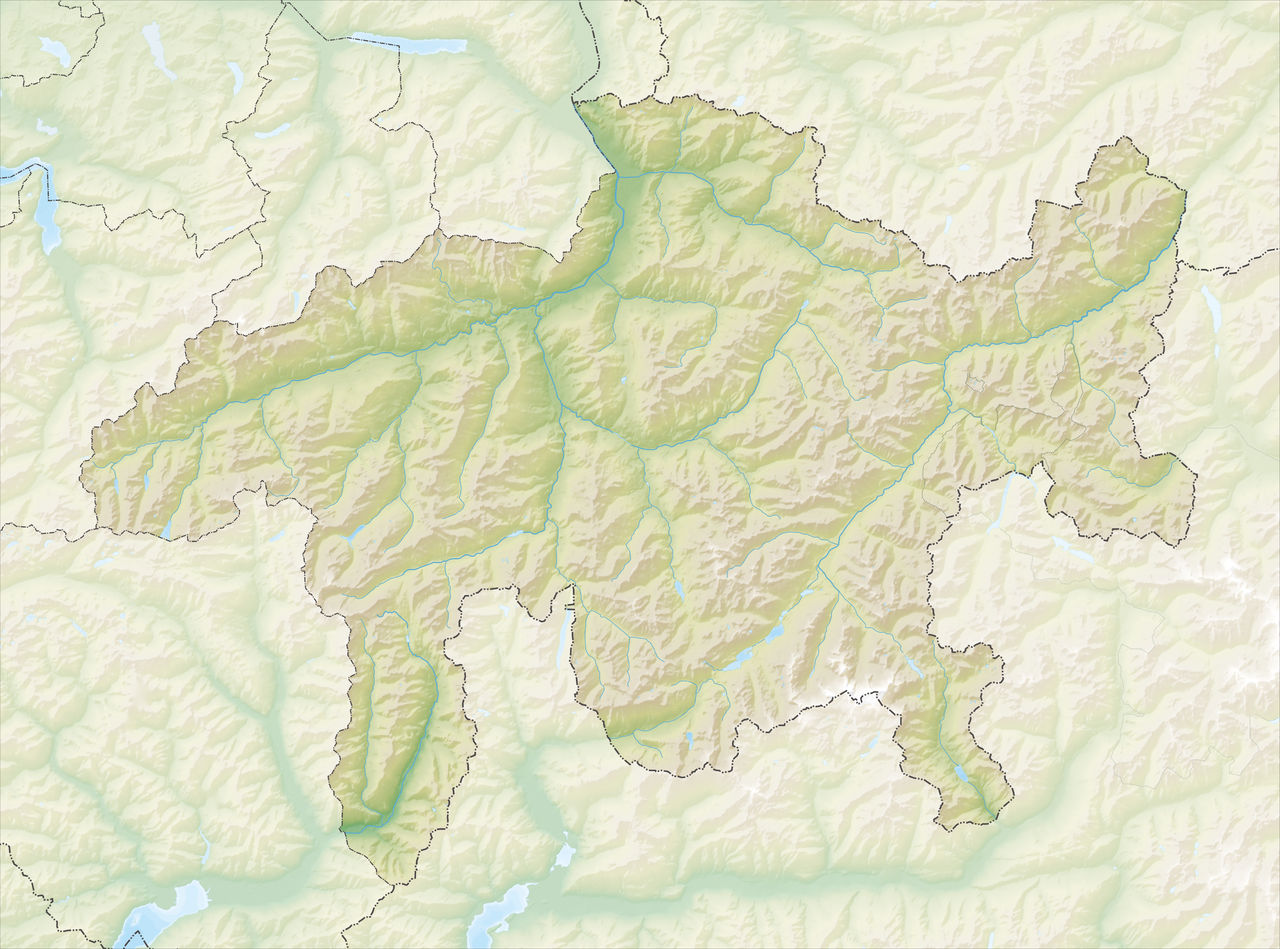
Müstair occupies a narrow high valley close to the Swiss–Italian border. The surrounding terrain is typical of the high Alps, with steep slopes, alpine meadows and limestone peaks. One well known geographic landmark in the area is Piz Chavalatsch, which marks the easternmost point of Switzerland and can be reached by marked mountain trails. The valley landscape supports seasonal grazing, small-scale agriculture and a range of outdoor recreation opportunities such as hiking and ski touring.
History and municipal reorganization
Historically Müstair developed around its monastery and the agricultural economy of the valley. Administratively the village was an independent municipality until 1 January 2009, when several neighbouring communes merged to form the new municipality of Val Müstair. The communities that joined the merger were Fuldera, Lü, Santa Maria Val Müstair, Tschierv and Valchava. The consolidation was intended to streamline administration while allowing the villages to preserve local traditions and services.
Cultural heritage
The village is most famous for the Benedictine Convent of Saint John, a monastic complex that dates to the early medieval period and remains an active religious community. The convent is internationally significant for its well-preserved Romanesque architecture and extensive medieval wall paintings, and it has been recognized for its cultural value by inclusion on the list of World Heritage sites. The monastery attracts scholars, art historians and visitors interested in monastic history and medieval art.
Economy, conservation and tourism
Müstair's economy combines small-scale agriculture, dairy production and tourism. Many local farms practise alpine pasture grazing and produce regional cheeses and other mountain products. Conservation and landscape protection are important priorities: the valley is valued for its intact mountain ecosystems and its proximity to protected areas, and sustainable forms of tourism are promoted. Visitors come for cultural tourism focused on the convent, for walking and hiking on the valley trails, and for low-impact winter sports such as cross-country skiing and ski touring.
Local life and events
Community life in Müstair features traditional festivals, church-related events and cultural programmes organised by local associations. Small museums and interpretation panels in the valley explain local history, traditional mountain farming and geology. The combination of a living village, an important historic monument and an unspoilt mountain environment makes Müstair a frequently cited example of how alpine communities can balance heritage conservation, tourism and everyday life.
Related articles
Author
AlegsaOnline.com Müstair (Val Müstair, Graubünden) Leandro Alegsa
URL: https://en.alegsaonline.com/art/67808