
Valchava: Village and former municipality in Val Müstair, Graubünden
Valchava is a small village and former municipality in the Val Müstair valley of Graubünden, Switzerland. It joined neighboring communities in 2009 to form the municipality of Val Müstair.
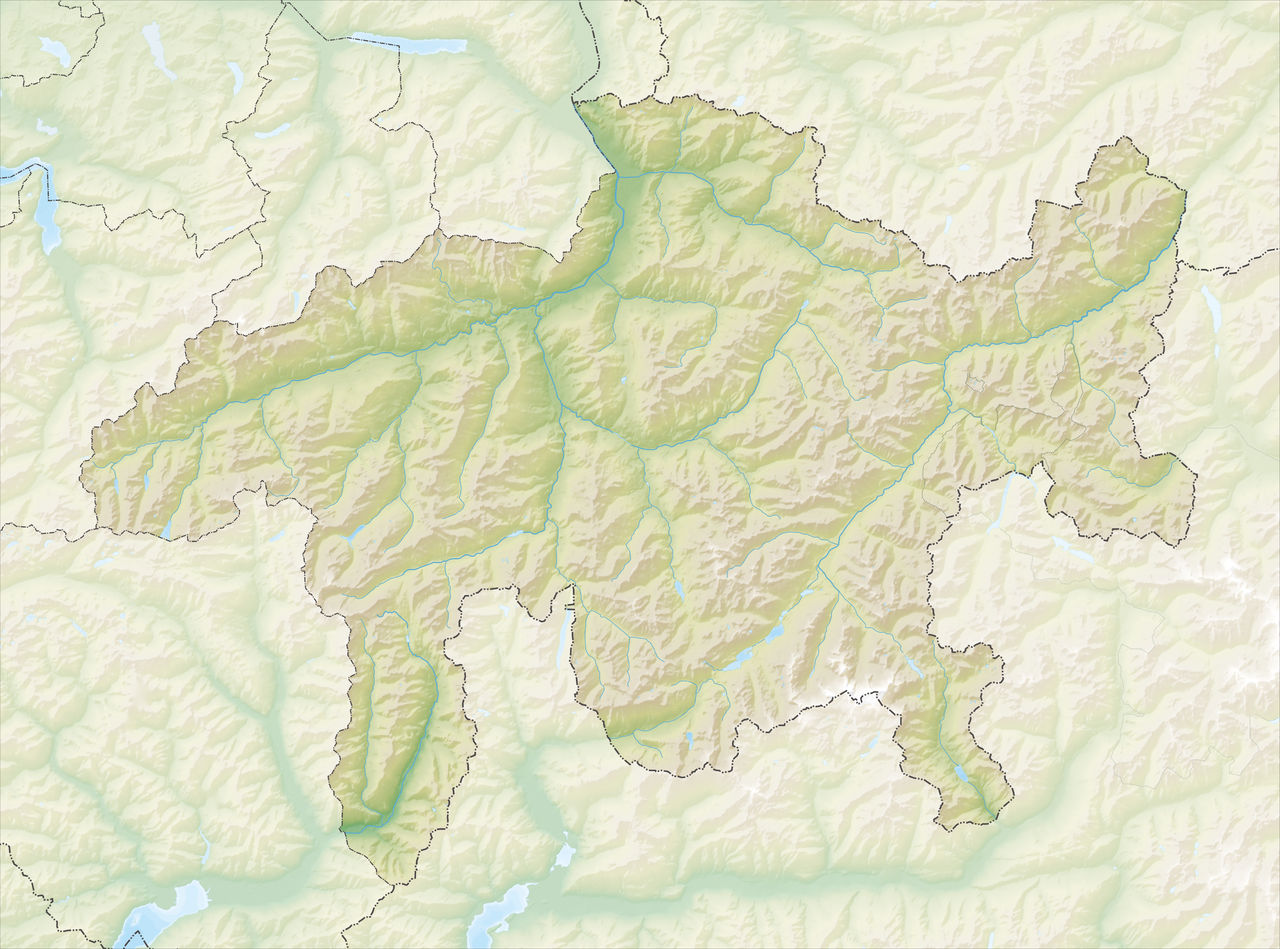
Valchava is a village in the alpine Val Müstair valley of eastern Graubünden, in the canton of Graubünden (Grisons), Switzerland. Until 2009 it functioned as an independent locality and former municipality, when it was merged with neighboring communities to create the larger municipality of Val Müstair. The settlement lies within a high valley near the border with Italy and is part of a culturally distinct mountain region.
Image gallery
7 Images




Overview and character
Valchava is typical of small Alpine villages: compact hamlet layout, masonry and timber houses with traditional rooflines, and a landscape shaped by pasture and steep slopes. The community retains a strong local identity and language traditions; the Romansh language (the Jauer variety in the Val Müstair area) is commonly spoken alongside German. Local life has historically revolved around mountain farming, seasonal work and, more recently, tourism related to hiking and nature appreciation.
History and development
Like many valleys in the Alps, Valchava has medieval roots and developed around agriculture and transalpine contacts. Over centuries the settlement adapted to modern infrastructure while preserving vernacular architecture and village customs. In 2009 an administrative consolidation brought Valchava together with neighboring villages to form the municipal unit now known as Val Müstair, a move aimed at streamlining services and strengthening local governance.
The wider Val Müstair area is notable for cultural landmarks, including the nearby UNESCO-protected convent complex in Müstair, which attracts visitors interested in history and ecclesiastical art. Outdoor visitors use Valchava as a base for valley walks, alpine meadows and routes that connect to border passes.
Importance and distinctions
- Part of the Romansh-speaking cultural landscape of eastern Graubünden.
- Located in the canton of Graubünden, within the national context of Switzerland.
- Consolidated administration: formerly a separate municipality (see former municipality), now a village in Val Müstair.
- Serves visitors and residents interested in alpine culture, nature, and rural architecture.
Author
AlegsaOnline.com Valchava: Village and former municipality in Val Müstair, Graubünden Leandro Alegsa
URL: https://en.alegsaonline.com/art/103929