
Acetone (propanone): properties, production, uses, and safety
Acetone (propanone) is the simplest ketone: a colorless, volatile solvent used in laboratories, industry and households. This article summarizes its properties, production, common uses and safety guidance.
Overview
Acetone, also called propanone, is the smallest ketone and a common organic solvent. Its condensed chemical formula is often written as (CH3)2CO. It is a clear, mobile liquid that evaporates quickly and mixes readily with many organic solvents and with water (miscibility with water). As a representative of the ketone functional group, acetone is widely used and studied.
Image gallery
10 Images







Properties and structure
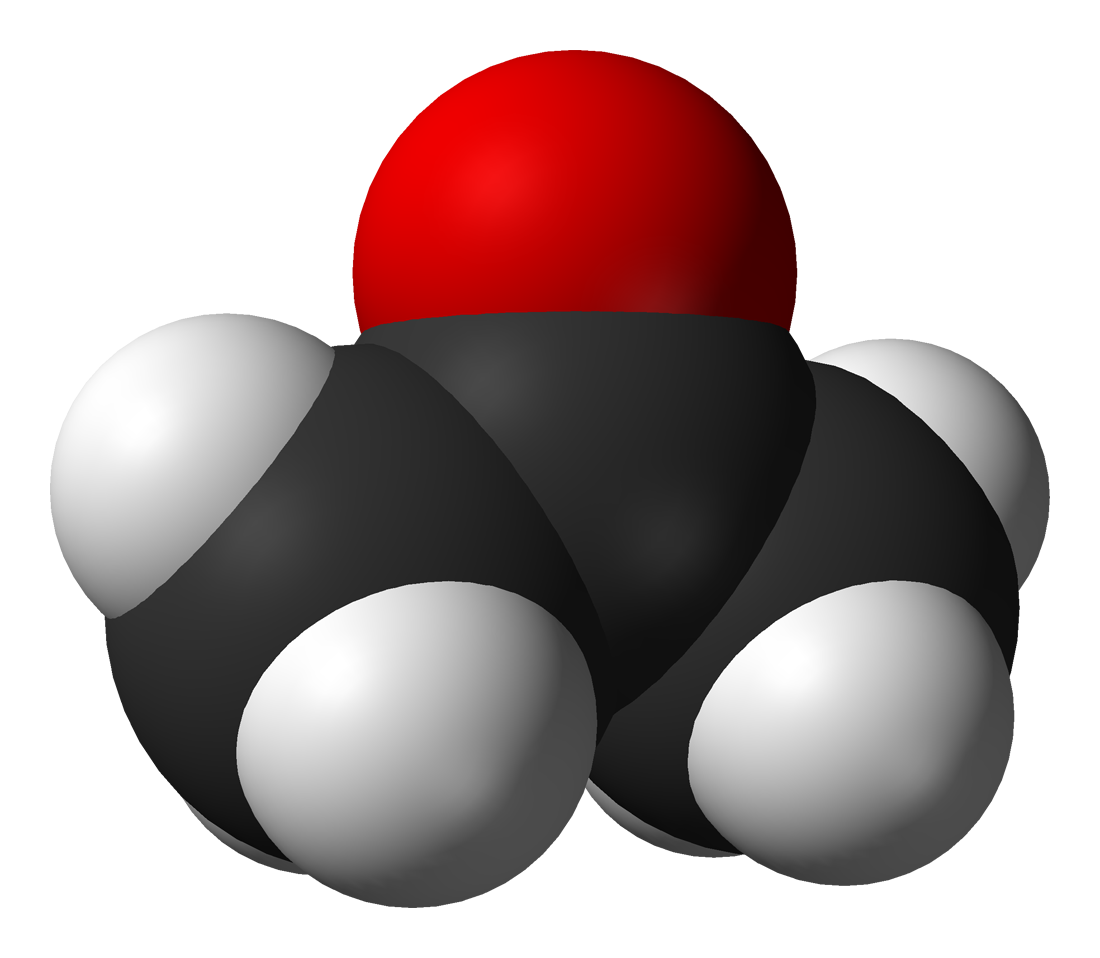
Chemically, acetone contains a carbonyl group (a carbon doubly bonded to oxygen) flanked by two methyl groups. This structure gives it moderate polarity and good solvency for a broad range of organic compounds. It has low viscosity, a relatively low boiling point and forms flammable vapors at room temperature (volatile and combustible). Because of its combination of volatility and solvency, acetone is valued where quick drying and effective dissolution are needed.
History and production
Acetone occurs naturally in small amounts during metabolism. Historically it was obtained by dry distillation of organic materials and by fermentation processes; during World War I the acetone-butanol-ethanol fermentation attracted attention for solvent supply. Modern industrial production is mainly linked to routes such as the cumene (Hock) process for phenol and acetone, or by oxidation/dehydrogenation of isopropyl alcohol. It also appears as a routine intermediate and starting material in chemical manufacture (building block in organic chemistry).
Uses and examples
Acetone's solvent power and volatility make it useful across many contexts. Common household and industrial roles include:
- Personal and cosmetic products (for example as the active solvent in nail polish removers).
- Paint thinners and degreasers; cleaning laboratory glassware and surfaces (laboratory cleaning).
- Medium for chemical reactions and for formulation of coatings, adhesives and coatings raw materials (important solvent).
- Precursor or intermediate in manufacturing of plastics and other chemicals.
Safety, handling and environmental notes
Although not highly toxic in small amounts, acetone is an irritant and can affect the central nervous system at high exposures; symptoms include dizziness, headache and nausea. It is highly flammable and should be stored and used away from ignition sources with adequate ventilation. Spills evaporate rapidly but should still be contained and disposed of following local regulations. Biologically, acetone is readily degraded and does not tend to persist in the environment.
Notable distinctions
As the simplest ketone, acetone is a benchmark solvent in organic chemistry and industry. Its combination of rapid evaporation, miscibility with water and many organics, and broad solvency keeps it in frequent use from household products to large-scale chemical production. For further technical details and material safety information see specialist literature and product safety sheets.
For reference materials and additional reading, consult general chemical databases and safety resources (Acetone overview, formula resources, flammability data, ketone class, solubility notes, solvent applications, lab cleaning uses, organic chemistry uses).
Related articles
Author
AlegsaOnline.com Acetone (propanone): properties, production, uses, and safety Leandro Alegsa
URL: https://en.alegsaonline.com/art/677
Sources
- rsc.org : Acetone Monograph
- webbook.nist.gov : Acetone
- webbook.nist.gov : webbook.nist.gov/
- cdc.gov : "NIOSH Pocket Guide to Chemical Hazards #0260"
- doi.org : 10.1039/9781849733069-FP001
- chemister.ru : Properties of substance: acetone
- chemsrc.com : "acetone"
- doi.org : 10.1021/ja00314a055
- doi.org : 10.1021/ar00156a004
- americanchemistry.com : "Working with modern hydrocarbon and oxygenated solvents: a guide to flammability"