
Acetylide (C2^(2-)): structure, preparation, and uses
Acetylide (C2^(2-)), also called ethynide or dicarbide, is the dianion derived from acetylene. It forms salts and coordination compounds important in synthesis and materials chemistry; some metal acetylides are explosive.
Overview
The term acetylide refers to the dianion derived from a carbon–carbon triple bond, commonly written C2^(2-). It is also called ethynide, dicarbide or percarbide in older literature. Acetylide appears both as a free anion in solution and as a bonded fragment within salts and coordination compounds. Its chemistry bridges simple inorganic ions and reactive organic nucleophiles.
Image gallery
4 Images

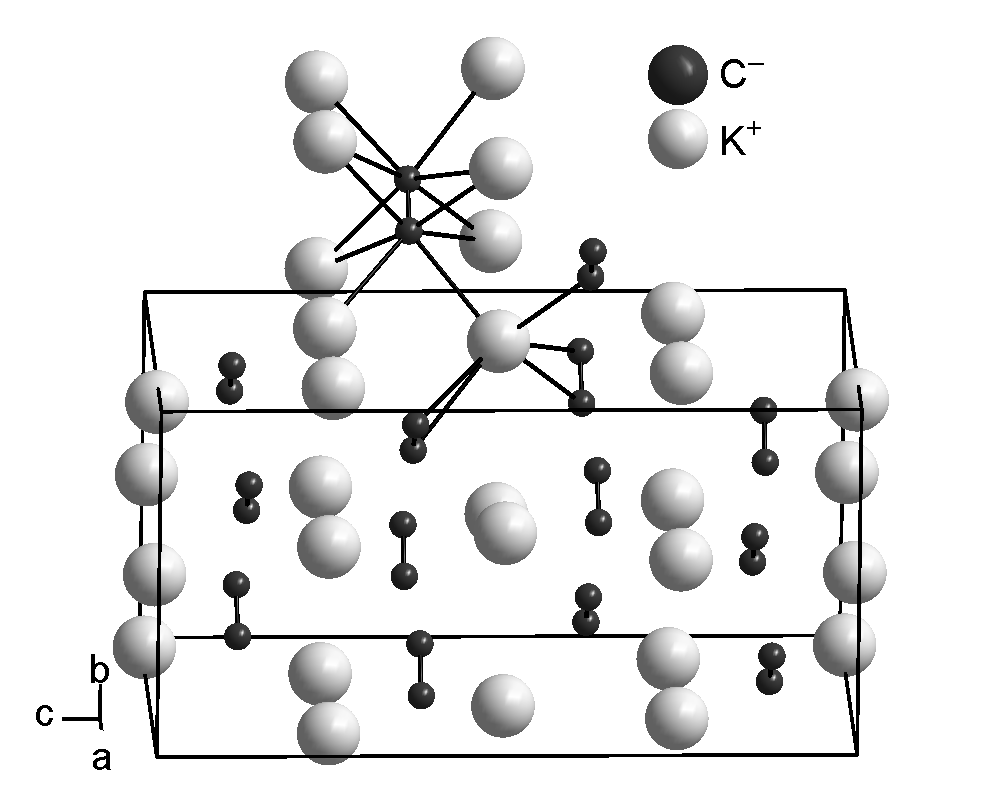
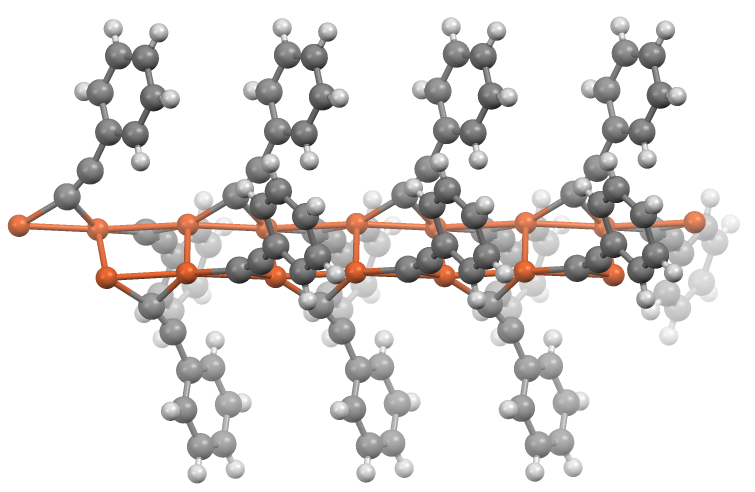
Structure and bonding
At its simplest, the acetylide fragment is a linear two‑carbon unit with a formal negative charge distribution over the carbons. In salts and metal complexes the C≡C unit often acts as a ligand, and bonding can range from ionic to covalent and backbonding interactions with transition metals. Solid acetylide materials may form polymeric or network structures rather than discrete molecular ions.
Preparation and typical reactions
Acetylide species are commonly produced by deprotonation of a terminal alkyne such as acetylene or substituted alkynes with strong bases (for example alkali amides, organolithium reagents, or hydrides). Once formed, the acetylide anion is a powerful carbon nucleophile: it adds to carbonyls, displaces halides in alkylation reactions, and participates in coupling processes. It can also coordinate to metals to give organometallic acetylides.
Uses and examples
Acetylide chemistry is widely employed in organic synthesis and materials science. In organic chemistry, acetylide anions are used to build larger carbon frameworks by alkylation or addition to electrophiles. In inorganic and coordination chemistry, metal acetylides are studied for their structural variety and electronic properties. Notable examples include salts and complexes such as copper(I) acetylide, which illustrate both coordination modes and practical hazards.
Practical considerations and safety
Many metal acetylides, especially those of heavy metals, are shock‑sensitive or explosive when dry. This makes handling and storage a safety concern in both research and industrial settings. Chemists typically prepare reactive acetylides in situ or keep them in solution to reduce risk. For further technical details and best practices consult specialized safety and procedural resources in organic chemistry.
Related concepts and further reading
- Acetylide ion: the basic dianionic unit often invoked in mechanisms and bonding descriptions — see a general entry on the acetylide ion.
- Carbide relationship: Some acetylides are classified as carbides (dicarbides) because they contain only carbon anions paired with metal cations.
Because acetylide chemistry spans organic nucleophilicity, organometallic coordination, and inorganic materials, it remains a subject of practical importance and active research in synthesis and materials design.
Questions and answers
Q: What is acetylide?
A: Acetylide is an ion with a chemical formula of C22-.
Q: How is acetylide made?
A: Acetylide is made by deprotonation of acetylene.
Q: Are all acetylides safe to use?
A: No, some acetylides are explosive.
Q: What is the use of acetylides in organic chemistry?
A: Many acetylides are used in organic chemistry.
Q: What is Copper(I) acetylide?
A: Copper(I) acetylide is an example of an acetylide that is used in organic chemistry.
Q: Does acetylide have any other names?
A: Yes, acetylide is also known as ethynide, dicarbide, and percarbide.
Q: What is the chemical formula of acetylide?
A: The chemical formula of acetylide is C22-.
Related articles
Author
AlegsaOnline.com Acetylide (C2^(2-)): structure, preparation, and uses Leandro Alegsa
URL: https://en.alegsaonline.com/art/683