
Mulholland Drive (film)
Mulholland Drive is David Lynch's 2001 neo-noir mystery film set in Los Angeles, known for its dreamlike structure, ambiguous narrative, critical acclaim, and Lynch's Best Director prize at Cannes.
Overview
Mulholland Drive is a 2001 American neo-noir mystery drama written and directed by David Lynch. The film unfolds in and around Los Angeles, blending elements of classical noir with surreal, dreamlike sequences. It is widely discussed for its disorienting narrative, atmospheric sound design, and refusal to offer a single, definitive reading.
Image gallery
10 Images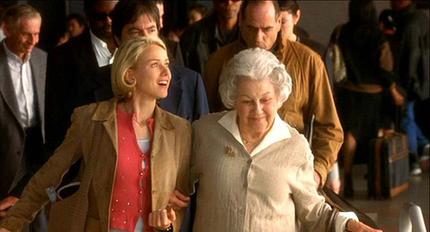


Structure and style
The film is notable for a nonlinear structure that juxtaposes two contrasting tonal halves: an enigmatic first half built around two characters' tentative alliance and an increasingly fractured second half that reframes earlier events. Lynch employs recurring motifs—mirrors, shadows, nightclubs—and an economy of visual detail to create ambiguity. Cinematography, editing, and Angelo Badalamenti-influenced music combine to favor mood and psychological resonance over literal exposition.
Production and release
Originally developed from a television pilot concept, the project evolved into a feature-length film that premiered at the 2001 Cannes Film Festival, where Lynch received the Best Director award. Its release generated strong critical debate: some reviewers praised its daring imagination and Naomi Watts's performance, while others found its opacity challenging. Over time it has been reassessed as one of Lynch's most influential works.
Cast and performances
The principal performances include Naomi Watts in a breakthrough role and Laura Harring as a pivotal counterpart; supporting cast members include Justin Theroux, Robert Forster and a brief appearance by Ann Miller. The ensemble contributes to the film's atmosphere of uncertainty, often playing characters who shift identity or significance as the story unfolds.
Themes, interpretations, and legacy
- Dream and reality: readers commonly interpret the film as an exploration of Hollywood fantasy, desire, and memory.
- Identity and loss: shifting names and roles emphasize how personal history is constructed and erased.
- Ambiguity as method: the film invites multiple, sometimes contradictory readings rather than providing closure.
Mulholland Drive remains a touchstone for filmmakers and scholars interested in narrative experimentation, the psychology of cinema, and the darker side of the Hollywood dream factory. For further information and criticism, consult contemporary reviews and scholarly essays that examine its imagery, sound, and cultural impact.
Related articles
Author
AlegsaOnline.com Mulholland Drive (film) Leandro Alegsa
URL: https://en.alegsaonline.com/art/67428