
Muriel's Wedding (1994) — Australian comedy‑drama film
1994 Australian comedy‑drama directed by P. J. Hogan. Follows Muriel Heslop, an awkward young woman obsessed with ABBA, and explores identity, friendship and suburban life. Launched Toni Collette's career.
Overview
Muriel's Wedding is a 1994 Australian comedy‑drama film directed by P. J. Hogan. The story centers on Muriel Heslop, played by Toni Collette, a socially awkward young woman who struggles with low self‑esteem and dreams of a glamorous life she lacks. The film combines satirical elements with emotional drama and made strong use of ABBA songs as a recurring motif.
Image gallery
2 Images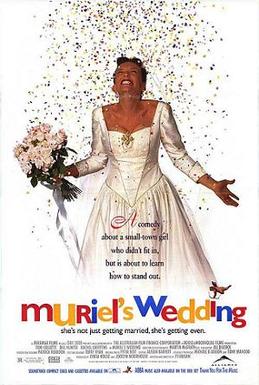
Characters and plot outline
Muriel is portrayed as plain and insecure, who seeks acceptance through appearances and the hope of a wedding. The film charts her attempts to reinvent herself, her fraught relationship with her father, and a close friendship that profoundly influences her choices. Along the way she relocates from a small coastal community to a larger city in search of independence. The tone shifts between comedy and serious moments, allowing character growth to coexist with social satire.
Production, release and locations
P. J. Hogan directed the picture, which was photographed in locations across New South Wales and Queensland. It premiered in Australia on 29 September 1994 and reached international audiences the following year. The ensemble cast includes notable Australian performers who helped the film gain both popular appeal and critical attention.
Themes and style
The film explores themes of identity, self‑acceptance, class and the pressures of suburban conformity. It uses humor to reveal social anxieties and employs popular music—especially ABBA—as a device that expresses Muriel's inner life and longing. Its blend of comic set pieces and emotional turning points is part of what made it distinctive in 1990s Australian cinema.
Reception and legacy
On release the film won praise for its performances and for balancing wit with pathos. It established Toni Collette as a major acting talent and helped raise the profile of several cast members. Over time the movie has maintained cultural resonance in Australia and abroad, often cited as a touchstone of Australian film from the decade and a frequently referenced work in discussions about representation, comedy‑drama hybrids, and popular music in film.
Further information and resources
- General overview and production notes
- Director: P. J. Hogan — filmography and background
- Toni Collette — role and career impact
- Key cast and character summaries
- Character studies and analysis
- Contemporary reviews and critical reception
- Themes: identity, class and suburbia
- Use of ABBA songs and soundtrack notes
- Bill Hunter and supporting performances
- Rachel Griffiths: role and recognition
- International release history (including U.S.)
- Filming locations in New South Wales
- Filming locations in Queensland
Related articles
Author
AlegsaOnline.com Muriel's Wedding (1994) — Australian comedy‑drama film Leandro Alegsa
URL: https://en.alegsaonline.com/art/67637