
Multimeter — purpose, parts, operation and common uses
A multimeter is a handheld electrical instrument that combines voltmeter, ammeter and ohmmeter functions; modern models measure many quantities used in electronics, electrical work and diagnostics.
A multimeter is a portable measuring tool used to test and diagnose electrical and electronic circuits. It brings together several instruments—most commonly an ammeter, a voltmeter and an ohmmeter—into one device. Multimeters are marketed as analog or digital; digital multimeters (DMMs) display numerical readings and generally offer higher precision, convenience and additional functions than their analog predecessors.
Image gallery
10 Images
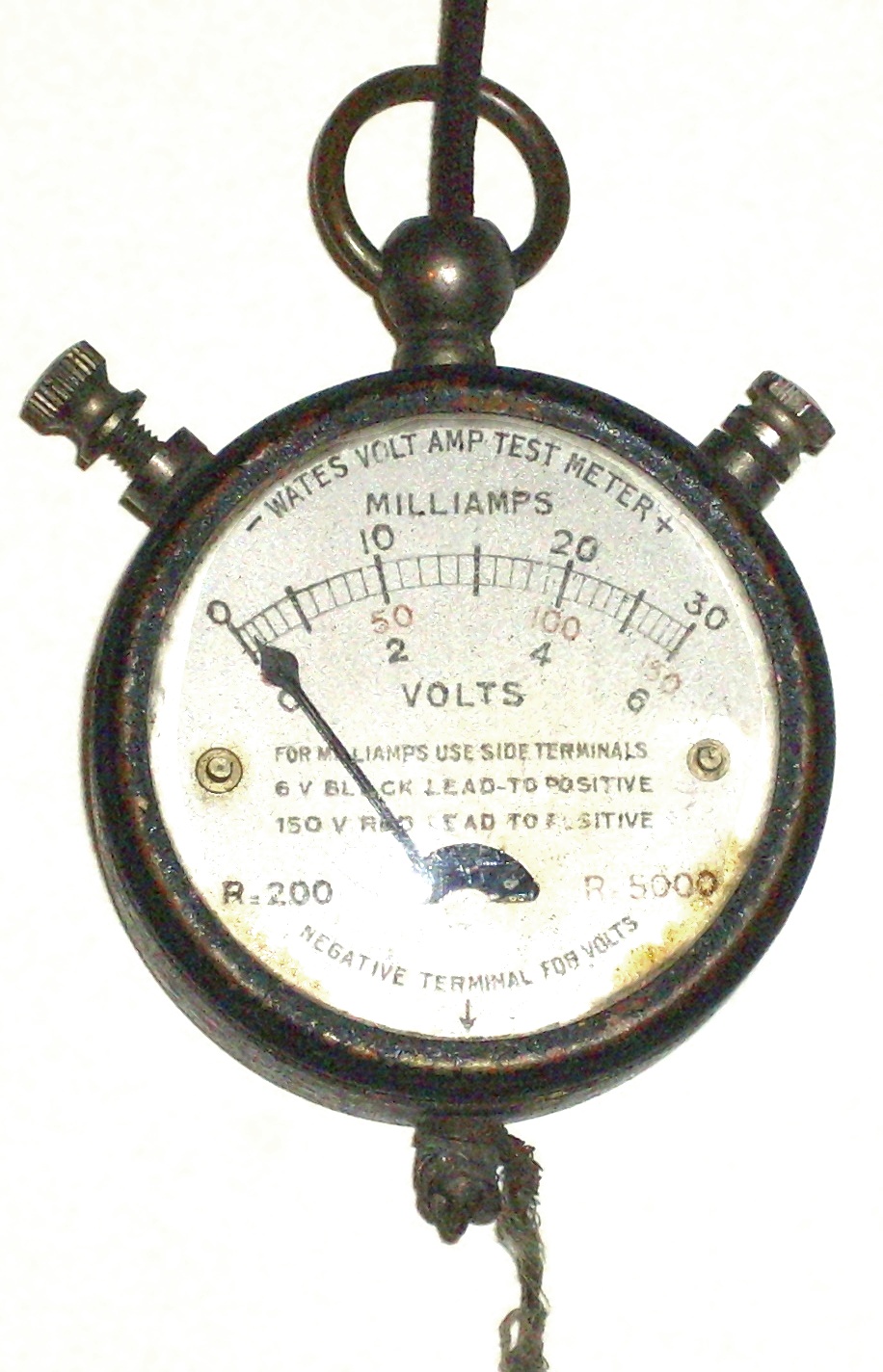


Primary components and how it works
Typical multimeter components include a rotary selector switch or mode buttons, an input jack cluster for probes, a display, range selection or auto-ranging circuitry, and input protection. When set to measure current the instrument functions as an ammeter, drawing the measured circuit through an internal shunt; when set to voltage it acts as a voltmeter with a high input impedance; when set to resistance it becomes an ohmmeter and reports values in ohms. Additional test modes often apply a small internal stimulus and measure the circuit response.
Common measurements and features
- Voltage — AC and DC; expressed in volts.
- Current — often selectable ranges for milliamps to amps.
- Resistance — continuity checks and resistance values in ohms (resistance).
- Diode and continuity — quick checks for shorted or open circuits.
- Frequency and duty cycle — many DMMs measure frequency and waveform duty cycle.
- Capacitance — basic measurement of capacitance for components and filters.
- Transistor gain — some units test small-signal transistor hFE (Hfe).
- Temperature — via thermocouple probes on meters with temperature input.
History and development
Multimeters evolved by combining separate measurement instruments into a single, more practical instrument for technicians and engineers. Early portable meters were based on moving-coil meters; compact combination meters became widespread in the mid-20th century. The advent of inexpensive digital electronics produced DMMs with greater accuracy, broader ranges and extra test modes. Over time safety standards, case designs and input protection improved to reduce the risk of damage and harm during measurements.
Practical uses and examples
Multimeters are widely used for troubleshooting in electronics, automotive electrical systems, household wiring, telecommunications and laboratory prototyping. Typical tasks include verifying battery voltage, checking power supplies, locating broken traces or components on circuit boards, and measuring signal frequency in audio or radio circuits. Continuity beeps help quickly find open circuits, while diode tests confirm junction orientation and basic health.
Safety, selection and best practices
When choosing a multimeter, consider accuracy, input impedance, auto-ranging capability, and safety category ratings suited to the work environment. Use appropriate probe types, observe polarity and expected voltage ranges, and never try to measure current by placing the meter across a voltage source unless the instrument is set and rated for that measurement. Proper fusing and overload protection are critical to prevent meter damage and reduce risk to the operator.
For further reference on meter types, measurement theory and safe techniques consult manufacturers' guides and recognized electrical safety standards via resources such as voltage measurement references and specialized tutorials on frequency or capacitance. Practical component testing (diodes, transistors and capacitors) is often demonstrated in electronics textbooks and repair manuals, which can supplement hands-on practice with a multimeter.
Questions and answers
Q: What is a multimeter?
A: A multimeter or a multitester is an electronic measuring tool that is a combination of several tools in one unit.
Q: What does a multimeter usually include?
A: A multimeter usually includes an ammeter, voltmeter, and ohmmeter.
Q: What are modern multimeters used to measure?
A: Modern multimeters can be used to measure electrical quantities other than current, resistance and voltage, such as frequency, capacitance, transistors Hfe, and temperature.
Q: Why is a multimeter often called a "multitester"?
A: The multimeter can make many tests, so it is often called a "multitester".
Q: How does a multimeter act as an ohmmeter?
A: When measuring resistance, the multimeter acts as an ohmmeter, showing ohms.
Q: What is a multimeter called when it measures volts and ohms?
A: A multimeter is sometimes called a mixture of things like Volt/ohm meter or VOM.
Q: What are the three basic electrical quantities that most meters can measure?
A: Most meters can measure volts, amps, and resistance.
Related articles
Author
AlegsaOnline.com Multimeter — purpose, parts, operation and common uses Leandro Alegsa
URL: https://en.alegsaonline.com/art/67466
Sources
- ehow.com : "multimeter"
- saddleback.edu : "multimeters"