
Association of Southeast Asian Nations (ASEAN)
ASEAN is a regional intergovernmental organization founded in 1967 to promote political cooperation, economic integration and stability among Southeast Asian states; headquartered in Jakarta.
Overview
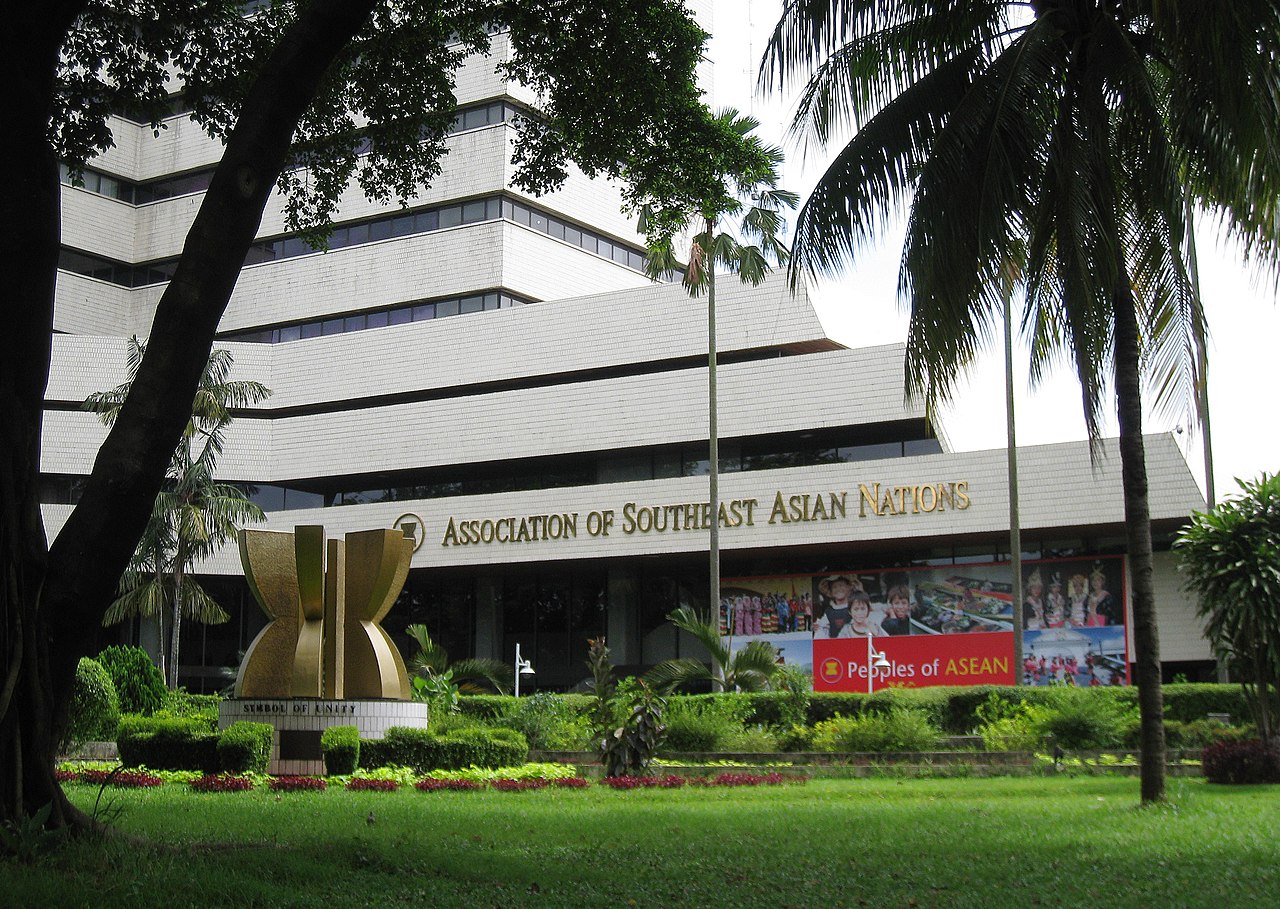
The Association of Southeast Asian Nations (ASEAN) is a regional intergovernmental organization established to promote cooperation, stability and economic growth among countries in Southeast Asia. It was founded on 8 August 1967 by five founding states: Malaysia, Thailand, Indonesia, Singapore and the Philippines. The creation of ASEAN followed a period of regional tension, including the rise of communism in neighbouring Vietnam, and domestic challenges faced by the founding members. The organization’s stated aims include accelerating economic growth, social progress and cultural development, as well as promoting regional peace through dialogue and cooperation. The ASEAN Secretariat is based in Jakarta, Indonesia.
Image gallery
10 Images




Origins and historical development
ASEAN built on earlier efforts at regional consultation. An earlier grouping known as the Association of Southeast Asia (ASA) had been formed by the Philippines, Malaysia and Thailand in 1961 as part of attempts to encourage collaboration among neighboring states in Southeast Asia. The formal ASEAN declaration of 1967 emphasized non-interference and consensus as guiding principles. A notable milestone came with the 1976 meeting in Bali, after which members began to pursue closer economic cooperation. Activity waxed and waned in the early decades; in 1991 Thailand proposed the idea of an ASEAN Free Trade Area, reflecting the bloc’s growing focus on economic integration.
Structure and membership
ASEAN operates by consensus and through regular meetings of foreign ministers and heads of government. The original five members were later joined by additional states in phases: Brunei Darussalam (1984), Vietnam (1995), Laos (1997), Myanmar (1997) and Cambodia (1999). East Timor remains a non-member state that has sought full membership, and Papua New Guinea has also engaged with ASEAN as an observer and candidate in various capacities. The ASEAN Charter and a small secretariat in Jakarta provide institutional continuity, while ministerial and working groups handle specialized policy areas.
Characteristics: population, religion and economy
The ASEAN region is diverse in population, language, religion and political systems. Roughly a large fraction of the world’s population lives in ASEAN states, and the region includes substantial Muslim communities—especially in Indonesia, Malaysia and Brunei—as well as large Christian communities centered in the Philippines. Theravāda and Mahāyāna Buddhist traditions are prominent in countries such as Thailand, Myanmar, Laos, Cambodia, Vietnam and Singapore. Economically, ASEAN members produce a mix of manufactured goods and primary commodities; key sectors include electronics, petroleum and timber and wood products. The group’s combined economic output, measured in aggregate terms, has positioned ASEAN as an important regional economic bloc (see gross domestic product references for regional statistics).
Activities, forums and significance
Beyond summit meetings, ASEAN has created several mechanisms for cooperation: the ASEAN Regional Forum (ARF) brings together a wider set of countries to discuss security and strategic issues; sectoral bodies cover trade, finance, education, health and environment; and a framework for the ASEAN Economic Community aims to lower barriers to goods, services and investment. The ARF membership demonstrates the organization’s external reach and includes both regional and global partners such as Malaysia, Thailand, Indonesia, Singapore, the Philippines, Vietnam, Brunei, Laos, Myanmar, Cambodia, Australia, Canada, China, the European Union, India, Japan, North Korea, South Korea, Mongolia, New Zealand, Pakistan, Papua New Guinea, Russia, East Timor, the United States and Sri Lanka.
Notable distinctions and contemporary challenges
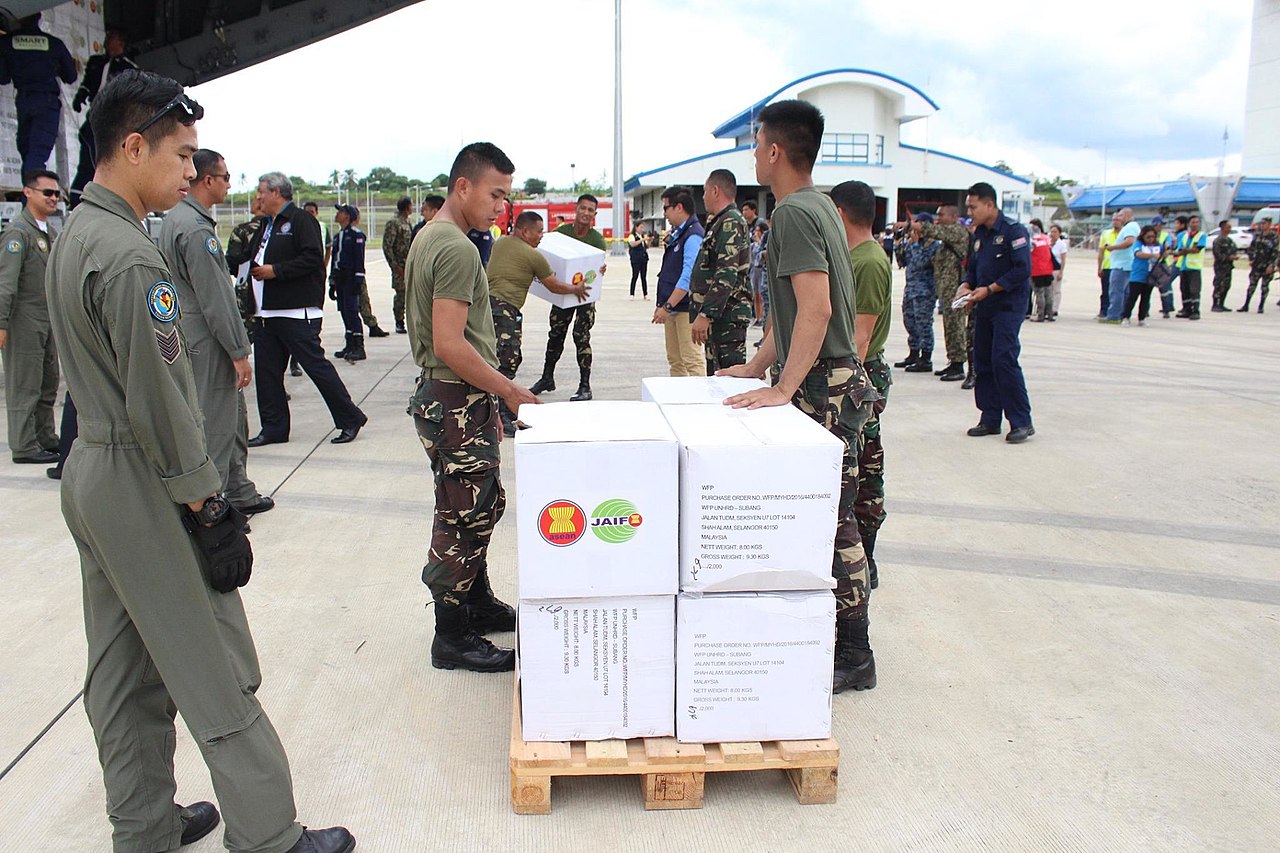
ASEAN is often noted for its principles of non-interference and consensus decision-making, which have helped maintain dialogue among politically diverse members but have also been criticized for limiting rapid, unified responses to crises. As globalization, climate change and shifting geopolitical currents affect the region, ASEAN’s role as a platform for cooperation, economic integration and crisis management remains central to Southeast Asian diplomacy. The organization convenes regular annual summits and numerous ministerial and technical meetings to coordinate policy and set shared priorities.
Questions and answers
Q: What is the Association of Southeast Asian Nations (ASEAN)?
A: The Association of Southeast Asian Nations (ASEAN) is an international organization formed on 8th August 1967 by Malaysia, Thailand, Indonesia, Singapore, and the Philippines. Its purpose is to promote political and economic cooperation between its member countries.
Q: Where is ASEAN headquartered?
A: ASEAN is headquartered in Jakarta, Indonesia.
Q: How many members does ASEAN have?
A: ASEAN currently has 10 members - Malaysia, Thailand, Indonesia, Singapore, Philippines, Vietnam, Brunei Darussalam, Laos Myanmar Cambodia and East Timor. Papua New Guinea and Sri Lanka are also observers of ASEAN.
Q: What type of people live in the ASEAN countries?
A: About 8% of the population of the world lives in ASEAN countries. About 240 million Muslims live in these countries mostly in Indonesia Malaysia and Brunei. About 170 million Christians live in these countries mostly in the Philippines and about 170 million Buddhists live in these countries mostly in Thailand Myanmar Laos Cambodia Vietnam and Singapore.
Q: What are some major products from the ASEAN countries?
A: The major products from the ASEAN countries are electronics petroleum and wood.
Q: What is the total Gross Domestic Product (GDP) for all ASEAN nations combined?
A: The total Gross Domestic Product (GDP) for all ASEAN nations combined is $1,073.9 billion USD.
Q: What is the purpose of ARF?
A: The purpose of ARF (ASEAN Regional Forum) is to provide a platform for leaders from 27 member states to discuss matters related to security and economic cooperation among them
Related articles
Author
AlegsaOnline.com Association of Southeast Asian Nations (ASEAN) Leandro Alegsa
URL: https://en.alegsaonline.com/art/6763
Sources
- dfat.gov.au : "About the ASEAN Regional Forum"