
Moscow Zoo: history, exhibits, conservation and visitor information
One of the world's oldest and largest urban zoos, founded in 1864 in Moscow. Describes its layout, major exhibits, conservation work, notable animals and practical visitor notes.
Overview: The Moscow Zoo is a major zoological garden in the Russian capital, founded in 1864. Over time it has grown into one of the world's larger city zoos, occupying roughly 53 acres and—according to published figures from 2013—housing several thousand individual animals representing hundreds of species. For current visitor information see the official Moscow Zoo page.

Image gallery
10 Images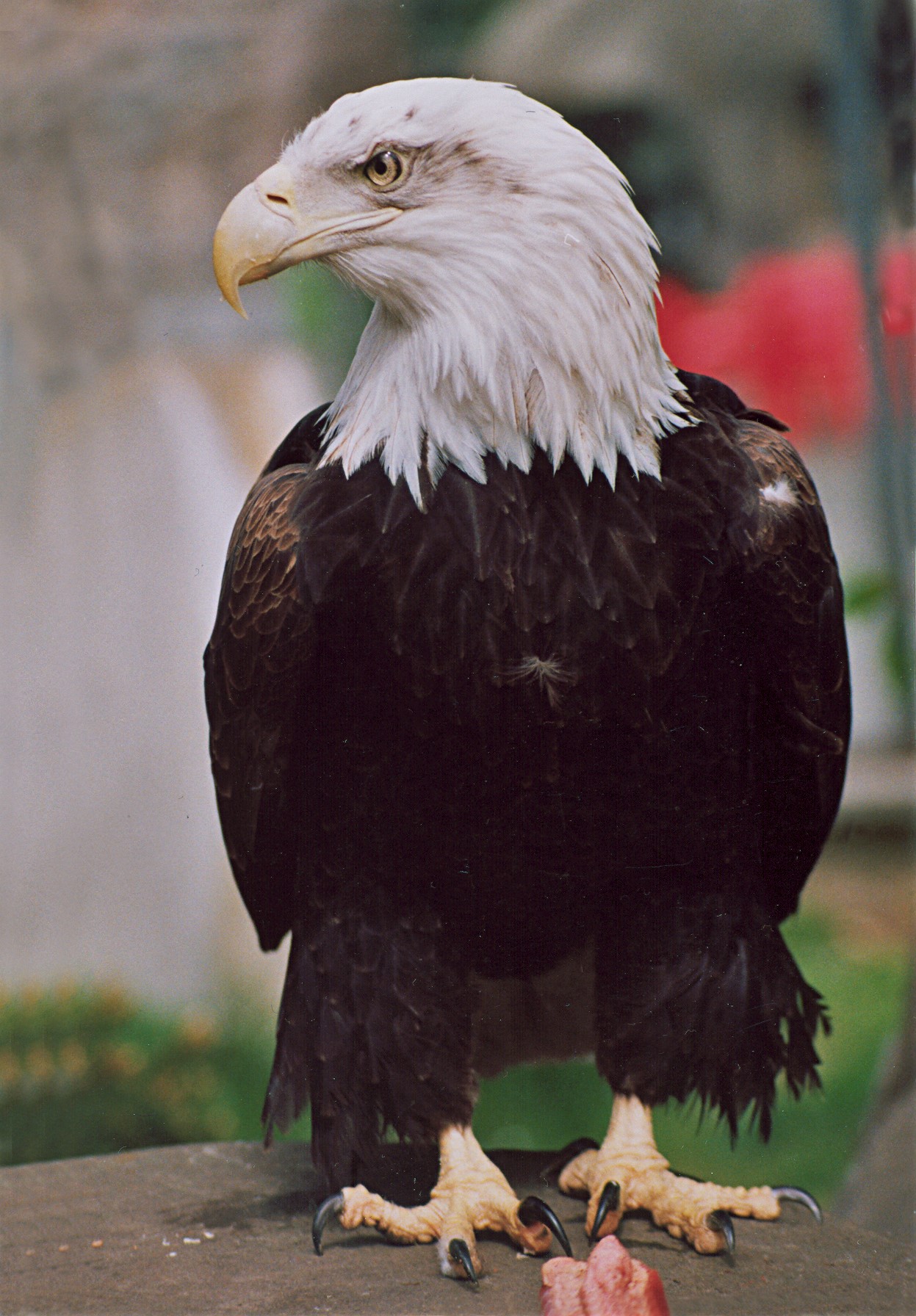


Exhibits and layout
The collection is arranged in two main sections separated by a city street; a pedestrian footbridge links them so visitors can pass between areas without crossing traffic. Modernized displays emphasize species-appropriate enclosures and interactive spaces for children. Recent additions include an on-site sea aquarium, a large aviary and a dedicated sea lion area, alongside family attractions and educational displays. The zoo also maintains traditional mammal, bird and reptile houses.

Main exhibit types:
- Freshwater and marine aquarium habitats — interactive tanks and viewing galleries (sea aquarium).
- Aviaries with raptors and songbird collections (aviary).
- Large-mammal paddocks and themed enclosures including primates and ungulates.
- Seals and sea lions in a purpose-built pool (sea lion exhibit).
History and development: Since its 19th-century opening the zoo has undergone multiple phases of expansion and renovation. Its long history reflects changing attitudes toward animal care and public education: early exhibits were later rebuilt to provide more naturalistic habitats and to support scientific husbandry, research and breeding efforts. The institution has evolved from a Victorian-style menagerie to a modern zoo focused on welfare and interpretation.

Conservation, education and research: Like many modern zoological institutions, the Moscow Zoo engages in conservation-oriented activities such as captive breeding of threatened species, rehabilitation of injured wildlife, and public outreach programs that introduce visitors to biodiversity and environmental issues. The zoo collaborates with other institutions and universities on veterinary care, population management and educational curricula for schools.

Notable animals, architecture and visiting: The collection includes familiar flagship species—giraffes, big cats and great apes—alongside birds of prey and smaller mammals such as raccoons. Historic entrance buildings and newer exhibit pavilions coexist on the site; some architectural elements date back to earlier eras while others reflect contemporary exhibit design. Practical visitor notes include seasonal hours and program schedules, ticketing options and special events; for local context and access information see municipal resources and tourism guides (city guide, visitor services). 


Related articles
Author
AlegsaOnline.com Moscow Zoo: history, exhibits, conservation and visitor information Leandro Alegsa
URL: https://en.alegsaonline.com/art/66834
Sources
- therichest.com : The Top 10 Largest Zoos in the World