
Aviary: Enclosures for Keeping and Observing Birds
An aviary is a spacious enclosure designed for birds that permits flight and natural behaviors. This article covers types, design features, history, uses in conservation and breeding, and welfare considerations.
Overview
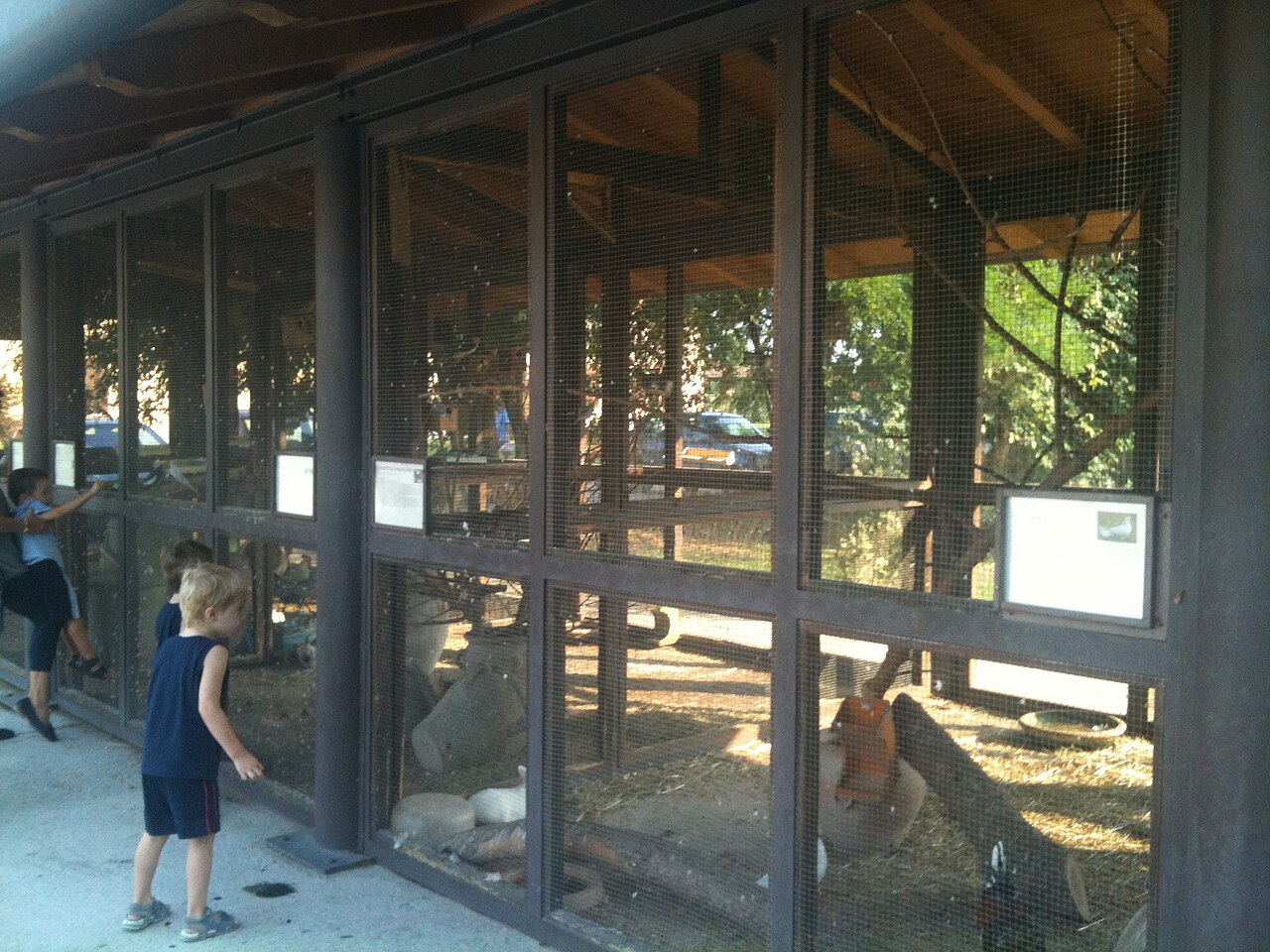
An aviary is a contained space designed to house birds in conditions that allow more movement than a typical birdcage. Unlike small cages that confine an individual bird, aviaries are usually large enough for birds to fly short to moderate distances, socialize, and express a broader range of natural behaviours. They vary from compact home enclosures to extensive walk-through exhibits found at public institutions.
Image gallery
10 Images




Design and typical features
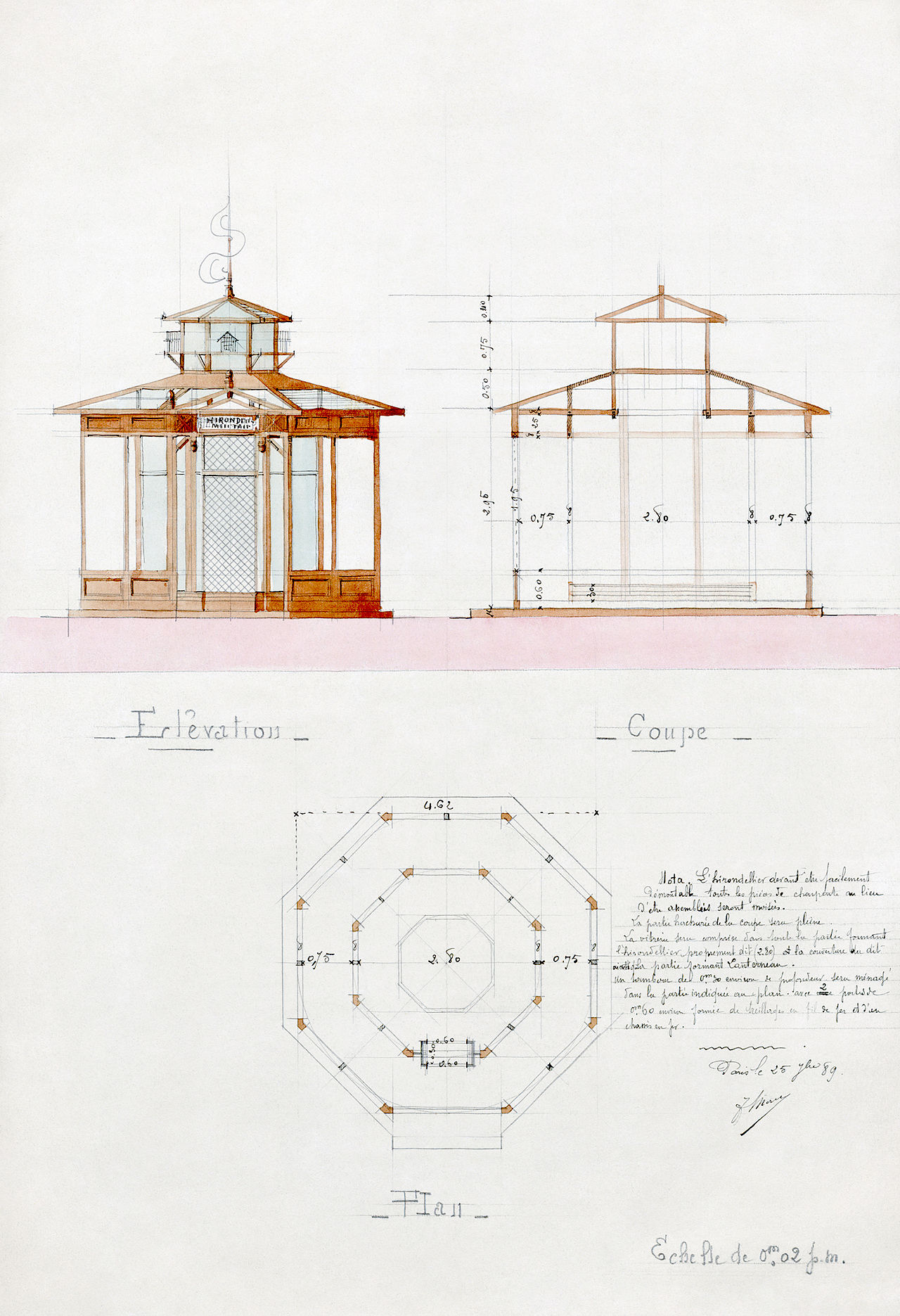
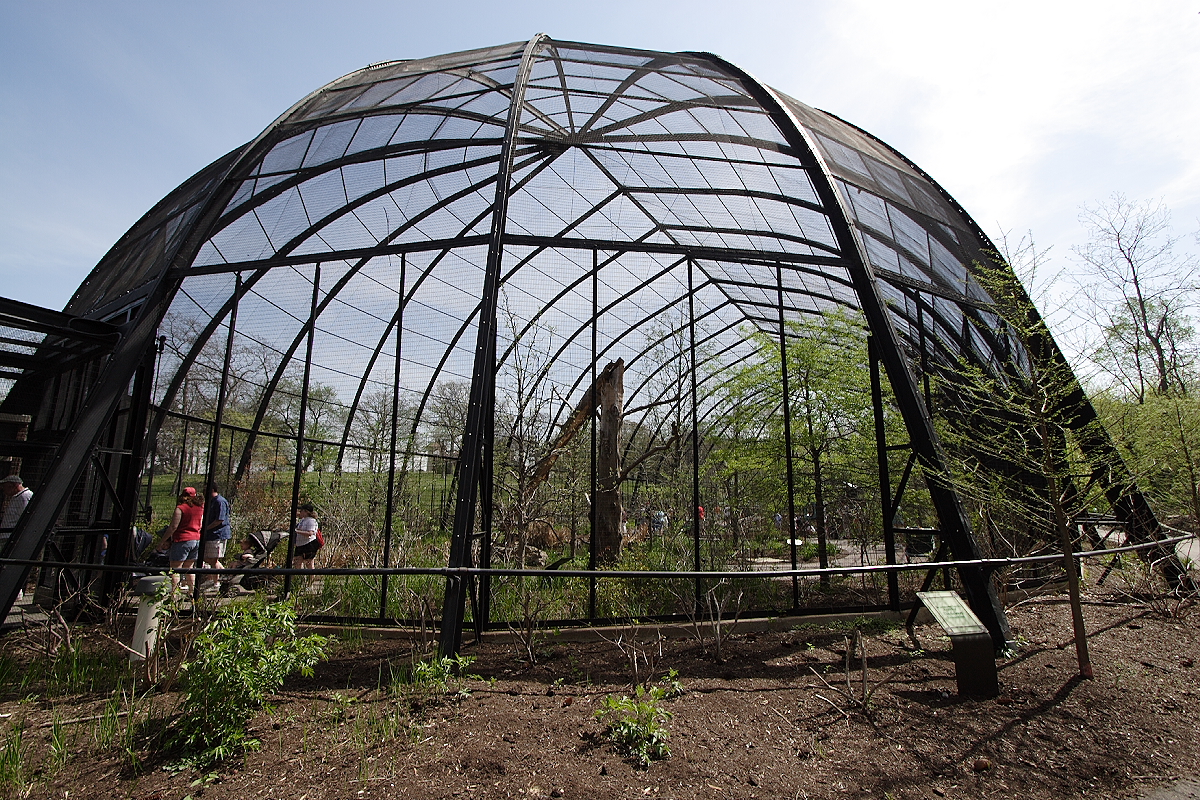
Key elements of an aviary include adequate horizontal and vertical space for flight, secure but breathable walls or mesh, sheltered areas for roosting, and environmental enrichment. Many aviaries incorporate live plants, branches, perches, water features, and substrate to mimic aspects of nature. Construction materials range from galvanized steel mesh to wood and durable plastics, chosen for strength and ease of maintenance.
Types and examples
- Walk-in aviaries: Large public enclosures where visitors can enter and observe birds at close range; common in botanical gardens and some zoos.
- Flight aviaries: Designed specifically to allow sustained flight; used in both private collections and conservation facilities.
- Breeding aviaries: Configured for managed pairing and rearing when people breed birds for conservation or sale.
History and development
People have kept birds in enclosures for centuries, ranging from small household cages to elaborate aviaries in palaces and estates. During the 19th and 20th centuries, advances in materials and animal-husbandry knowledge led to purpose-built aviaries in botanical gardens and public collections. Modern design emphasizes animal welfare, safety, and opportunities for species-appropriate behaviour.
Uses and importance
Aviaries serve several roles: they offer educational displays that connect the public with live wildlife, provide controlled environments for breeding and reintroduction programs, and act as living collections for scientific study. In private settings, aviaries let hobbyists keep social or flighted species in more naturalistic conditions than conventional cages.
Welfare, hygiene, and legal considerations
Good aviary management addresses diet, veterinary care, parasite control, and enclosure hygiene. Social species need compatible companions and environmental complexity to avoid stress and stereotypic behaviour. Many regions regulate the keeping and sale of wild or exotic birds, so caretakers must follow local laws and best-practice guidelines to protect both birds and native ecosystems.
Notable distinctions and facts
While the term "aviary" broadly means any place where birds are kept, practical distinctions exist: a cage typically houses individual pet birds, whereas an aviary implies communal space and potential for flight. Professional and public aviaries frequently balance visitor access with species needs, using design, planting, and sound management to create exhibits that educate and support conservation goals.
For further reading and resources see institutional pages and specialist guides on aviary design and bird husbandry (birds, zoos, breed, nature).

Related articles
Author
AlegsaOnline.com Aviary: Enclosures for Keeping and Observing Birds Leandro Alegsa
URL: https://en.alegsaonline.com/art/7740