
Morgan County, Colorado
County in northeastern Colorado centered on Fort Morgan; rural high-plains landscape with irrigated agriculture, river corridors and small urban centers. Population noted at the 2010 census.
Overview
Morgan County is a county in the state of Colorado in the United States. The county seat and largest community is Fort Morgan. Morgan County occupies part of the High Plains region and combines broad prairie landscapes, irrigated farmland and small urban centers. At the time of the 2010 census the recorded population was 28,159.
Image gallery
2 Images
Geography and environment
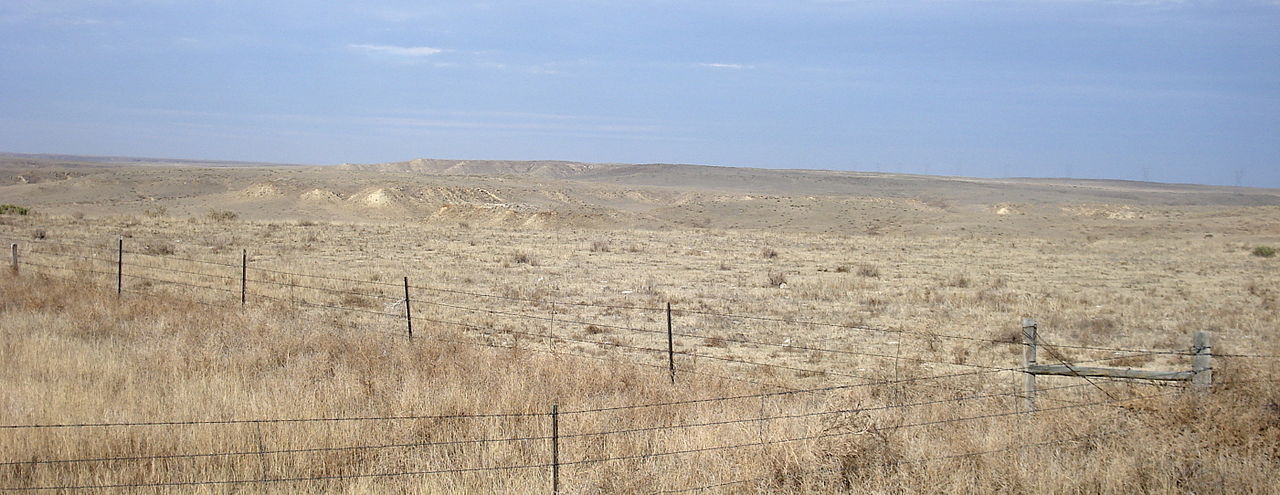
The county lies on the eastern plains of Colorado, characterized by generally flat to gently rolling terrain. River corridors and irrigation canals are important physical features that support agriculture on otherwise semiarid soils. The climate is continental and relatively dry, with warm summers and cold winters; water management and irrigation play a central role in local land use and ecology.
History and settlement
European-American settlement increased in the late 19th century as military posts, transportation links and irrigation projects encouraged permanent towns and farms. The community around the former military post grew into the county seat. Over time the region developed from seasonal grazing to more intensive, irrigated agriculture and associated towns that provide services for rural areas.
Economy
Agriculture is the economic backbone, with extensive grain production, irrigated crops and livestock operations. Complementary industries include food processing, agricultural services, transportation and retail trade that serve residents and surrounding rural populations. Changes in technology and markets have shaped farm sizes and patterns of employment, while local governments and organizations support economic diversification.
Government and communities
County government administers public safety, road maintenance, land-use planning and social services for incorporated towns and unincorporated areas. The county provides resources for local schools, public health and agricultural extension. The central administration is based in the county seat, county offices located in Fort Morgan.
Recreation and conservation
Open prairie, river corridors and nearby grasslands offer outdoor recreation such as hunting, fishing, birdwatching and informal hiking. Local parks, small wildlife areas and trails provide access to natural habitats and seasonal events tied to rural life. Conservation efforts often focus on water use, soil health and balancing agricultural production with habitat protection.
Further information
- General county overview: Morgan County
- State context and resources: Colorado
- Regional information: Colorado region
- National context: United States
- Population reference: 2010 census
- County administration: county offices
- County seat and principal city: Fort Morgan
Related articles
Author
AlegsaOnline.com Morgan County, Colorado Leandro Alegsa
URL: https://en.alegsaonline.com/art/66666