
Morges, Vaud — lakeside town and district capital in Switzerland
Morges is a lakeside town in the canton of Vaud, Switzerland. It is the administrative centre of the District of Morges and is known for its historic castle, promenades, vineyards and seasonal flower events.
Overview
Morges is a small lakeside city in the Swiss canton Vaud. It serves as the administrative capital of the surrounding district, the District of Morges. Situated on the northern shore of Lake Geneva, the town forms part of the La Côte region, a gently sloping belt of vineyards and towns between Lausanne and Geneva.
Image gallery
10 Images




Characteristics and landmarks
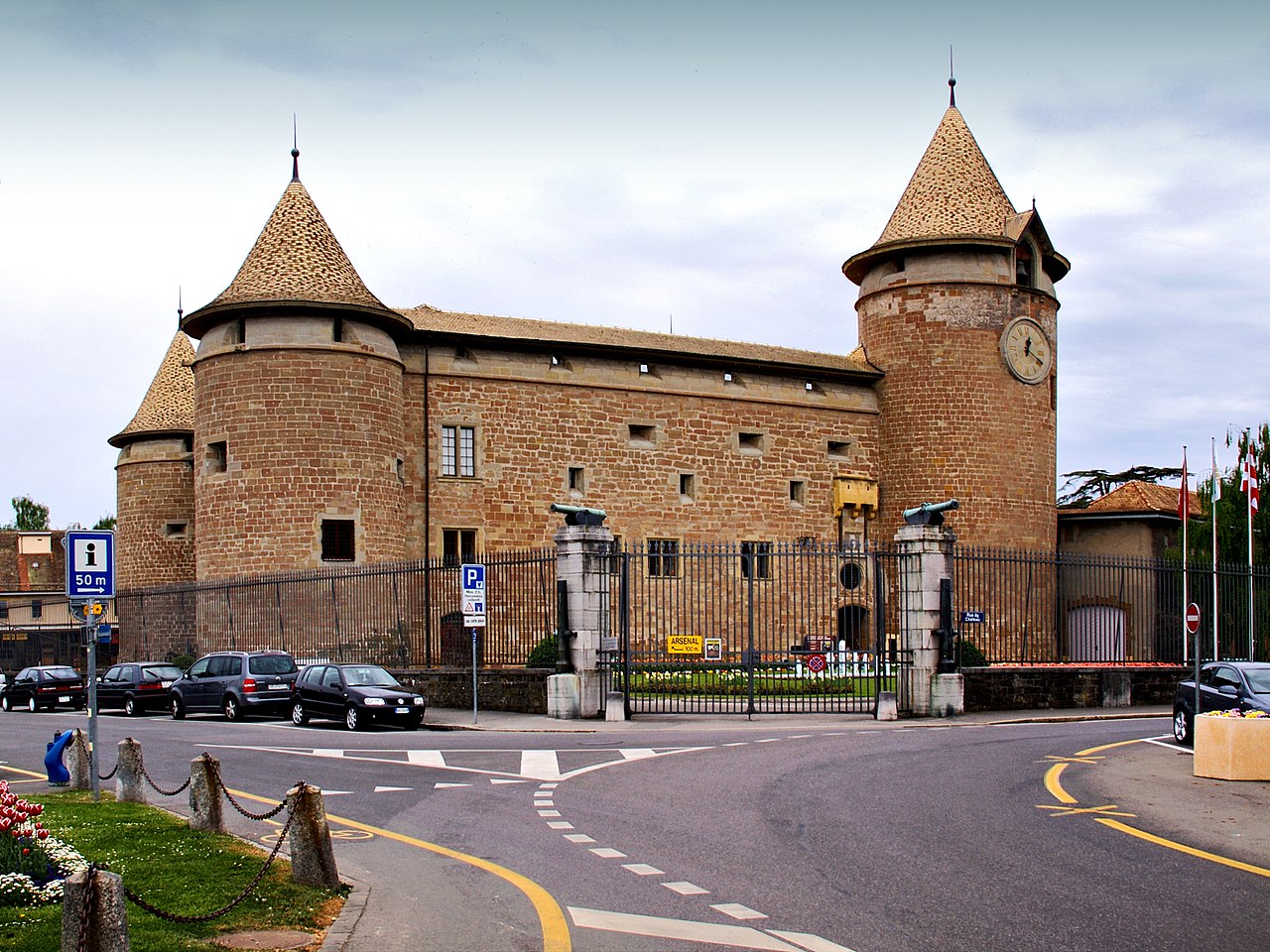
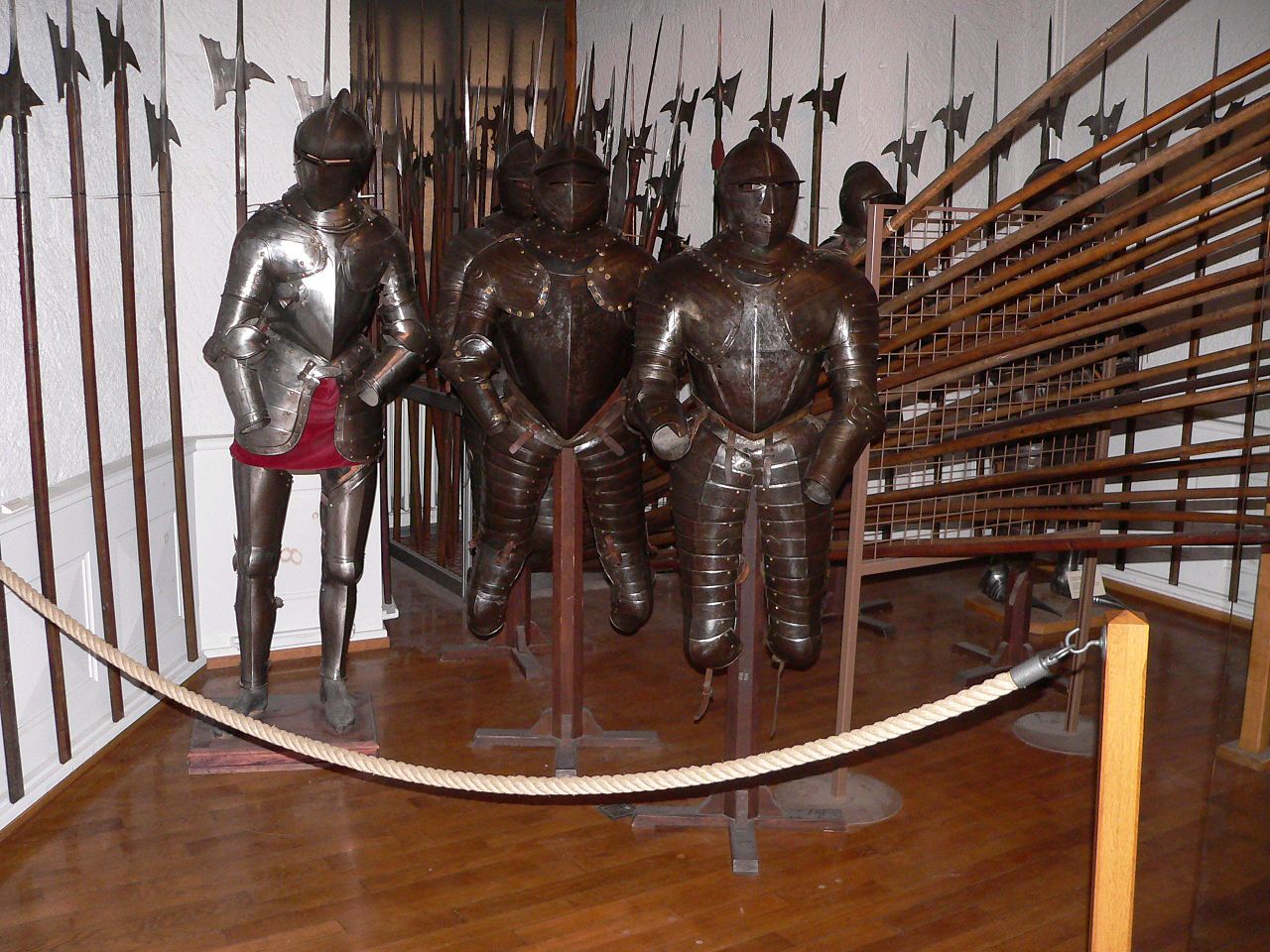
Morges combines a compact historic centre with lakeside promenades and views toward the Alps. A notable landmark is the Château de Morges, a medieval castle that anchors the old town and now hosts local cultural exhibits. The waterfront esplanade, tree-lined promenades and marina encourage recreational boating, walking and seasonal markets.
History and development
The town developed in the medieval period as a local market and defensive site, growing through trade and its strategic lakeside location. Over centuries it became a local administrative and service centre for surrounding agricultural and wine-producing communities. Urban growth has been steady but modest, preserving much of the historic street pattern near the castle.
Culture, events and attractions
Morges is known for colorful seasonal flower displays, notably seasonal tulip plantings in spring that draw visitors to the promenade. Cultural life includes small museums, regular markets and festivals, cafes and cultural programming in municipal venues. Typical visitor attractions are the castle museum, the lakeside park and nearby vineyard routes.
Economy and transport
The local economy blends administration, tourism, viticulture and small-scale services. Good rail and road links connect Morges with larger urban centres such as Lausanne and Geneva, making it a commuter as well as a regional hub. The surrounding vineyards supply wines marketed under regional appellations.
Notable distinctions
Morges is frequently cited for its picturesque lakeside setting, preserved medieval core and its role as the district capital. Its combination of cultural programming, accessible transport and proximity to larger cities makes it representative of small Swiss lakeside towns that balance heritage and modern life.
Related articles
Author
AlegsaOnline.com Morges, Vaud — lakeside town and district capital in Switzerland Leandro Alegsa
URL: https://en.alegsaonline.com/art/66689
Sources
- bfs.admin.ch : "Arealstatistik Standard - Gemeinden nach 4 Hauptbereichen"
- bfs.admin.ch : "Ständige Wohnbevölkerung nach Staatsangehörigkeitskategorie Geschlecht und Gemeinde; Provisorische Jahresergebnisse; 2018"