
Morgantown, West Virginia
County seat of Monongalia County on the Monongahela River, home to West Virginia University. A regional center for education, health care, research, and outdoor recreation in north-central West Virginia.
Overview
Morgantown is the county seat of Monongalia County and a principal city in north-central West Virginia. Located on the banks of the Monongahela River, it is best known as the home of West Virginia University, which shapes much of the city’s economy, culture, and daily life. The city itself had roughly 31,000 residents in the mid-2010s; the wider metropolitan area serves more than 100,000 people and functions as a regional hub for commerce, education, and healthcare.
Image gallery
10 Images



Geography and layout
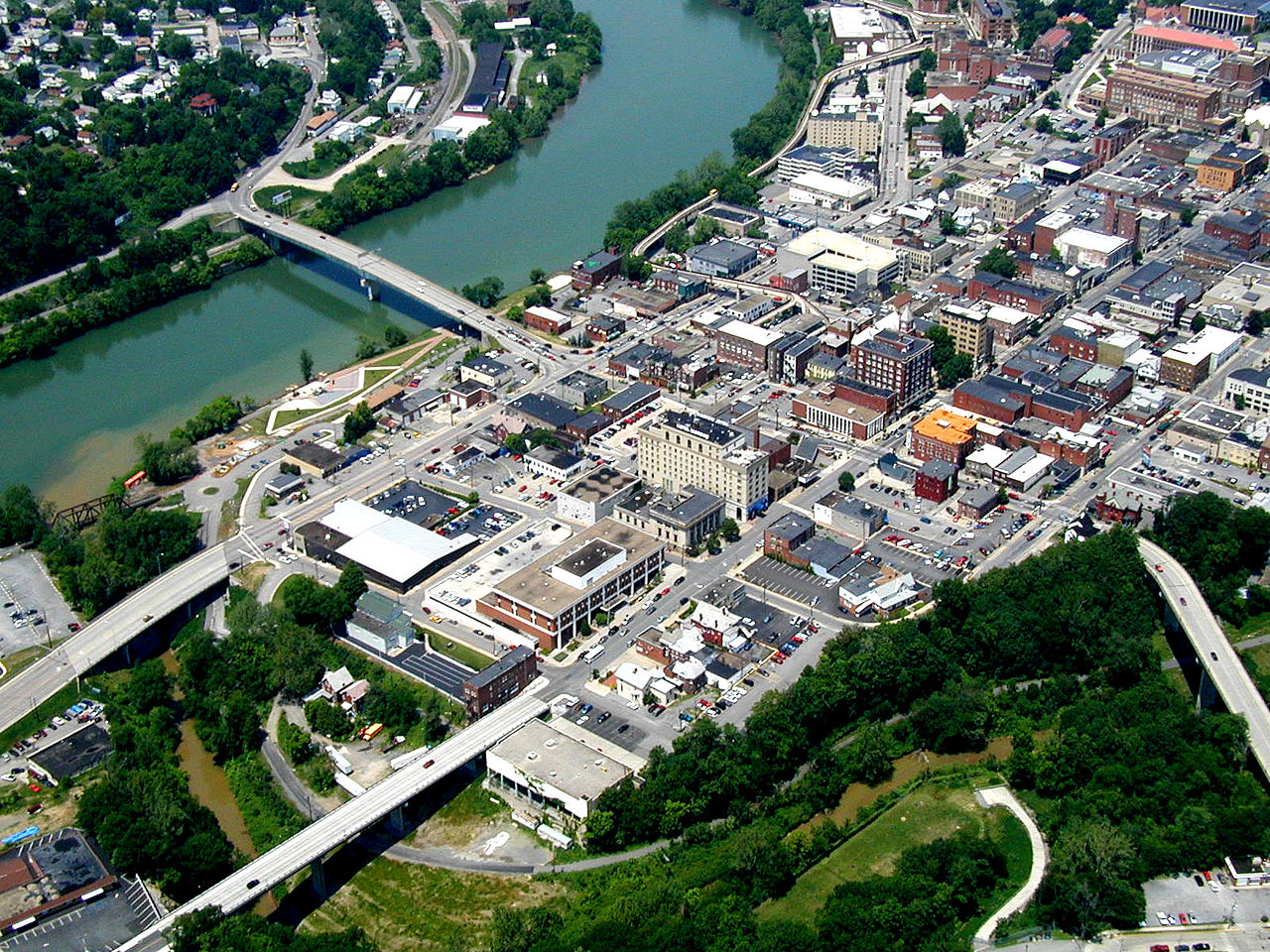
Morgantown occupies riverfront terrain with rolling hills and wooded ridges nearby. The Monongahela River and several smaller streams create a mix of waterfront, residential, and commercial districts. Downtown clusters along the river with shops, restaurants, and civic institutions; university campuses and medical facilities occupy adjacent neighborhoods, and suburban communities extend outward along major roads and into the surrounding county.
History and development
The city grew from early frontier settlement into a transportation and trade center because of the river and later road and rail connections. Over time Morgantown’s role shifted toward education and research as the local university expanded; the institution has attracted students, faculty, and related services that diversified the economy. Historical buildings, civic landmarks, and adaptive reuse of industrial sites reflect that layered development.
Economy, education and research
West Virginia University is the largest employer and a primary engine for innovation, research, and cultural activity. Health care, finance, retail, and public administration are also important sectors. The university’s medical center and affiliated institutions provide advanced care for the region and contribute research and workforce training.
Culture, recreation and transportation
Morgantown offers a mix of collegiate culture, local arts, and outdoor recreation. Cultural venues include performance spaces, museums, and annual events tied to the academic calendar. Nearby parks, river access, and trails support hiking, cycling, and boating. Public transit, regional highways, and an airport connection link the city to surrounding communities and larger metropolitan areas.
Notable facts and distinctions
- Seat of local government for Monongalia County and a regional center for higher education.
- Riverfront setting on the Monongahela and proximity to outdoor recreation.
- Economy strongly influenced by a major public research university and its medical and research facilities.
Related articles
Author
AlegsaOnline.com Morgantown, West Virginia Leandro Alegsa
URL: https://en.alegsaonline.com/art/66686
Sources
- geonames.usgs.gov : "US Board on Geographic Names"