
Moondyne Cave, Western Australia
A natural limestone cave near Augusta, discovered by the bushranger Moondyne Joe in 1881. Noted for its formations, limited guided access, and cultural as well as geological interest.
Moondyne Cave is a small but notable limestone cave located in the southwest of Western Australia, about eight kilometres north of the town of Augusta. The cave is associated with the local legend of the bushranger known as Moondyne Joe and attracts interest for its speleothems, restricted guided visits, and its place in regional history. For more on the site name see Moondyne Cave.
Image gallery
1 Image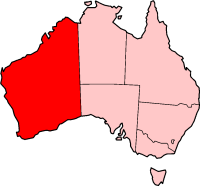
Geology and physical features
The cave formed in karst limestone and displays the kinds of features common to such systems: chambers and passages with stalactites, stalagmites and flowstone formed by slow mineral deposition. The internal environment is cooler and more humid than the surrounding bushland, and the rock formations are fragile and slow-growing, which is why access is generally controlled for conservation.
History and discovery
Local accounts record that the cave was discovered in 1881 by the bushranger known as Moondyne Joe. It was opened to visitors in the early 20th century and offered public tours from about 1911 until 1959. After a long closure the site was reopened for small guided groups in 1992, reflecting a modern emphasis on low-impact tourism and site management. The story of its discovery and opening connects the cave to the region's social history; see sources about Western Australian heritage at Western Australia and about the figure behind its name at Moondyne Joe.
Visiting and conservation
Access is typically by guided tour only and is limited in order to protect delicate formations and any resident wildlife such as bats or invertebrates. Visitors are usually advised not to touch speleothems, to stay on paths, and to follow guides' instructions. Facilities and tour arrangements can vary, so prospective visitors should check current local information before planning a trip.
Significance
Moondyne Cave is valued both for its geological features and as a cultural landmark tied to regional folklore. It provides educational opportunities about karst landscapes and cave conservation, and it forms part of the broader natural-tourism offerings of the Augusta region. Ongoing management balances allowing public enjoyment with preserving the cave for future generations.
Related articles
Author
AlegsaOnline.com Moondyne Cave, Western Australia Leandro Alegsa
URL: https://en.alegsaonline.com/art/66541
Sources
- showcaves.com : "Margaret River Caves - Moondyne Cave"