
Montmartre — Hill and Bohemian Quarter of Paris
Montmartre is a 130-metre hill and historic district in north Paris, known for the Sacré-Cœur basilica, Place du Tertre artists, cabaret nightlife, small museums, and a long artistic heritage.
Overview
Montmartre is a prominent hill rising about 130 metres and the name of the surrounding neighbourhood in north Paris. Perched above much of the city, the quarter retains a village atmosphere of narrow, winding streets, small squares and terraces that offer panoramic views. The white-domed Basilica of Sacré-Cœur crowns the summit and is among the area’s most visible landmarks; its presence shapes both the skyline and the visitor experience. The neighbourhood blends religious, residential and entertainment uses and is celebrated for its history as a centre of popular and artistic life.
Image gallery
10 Images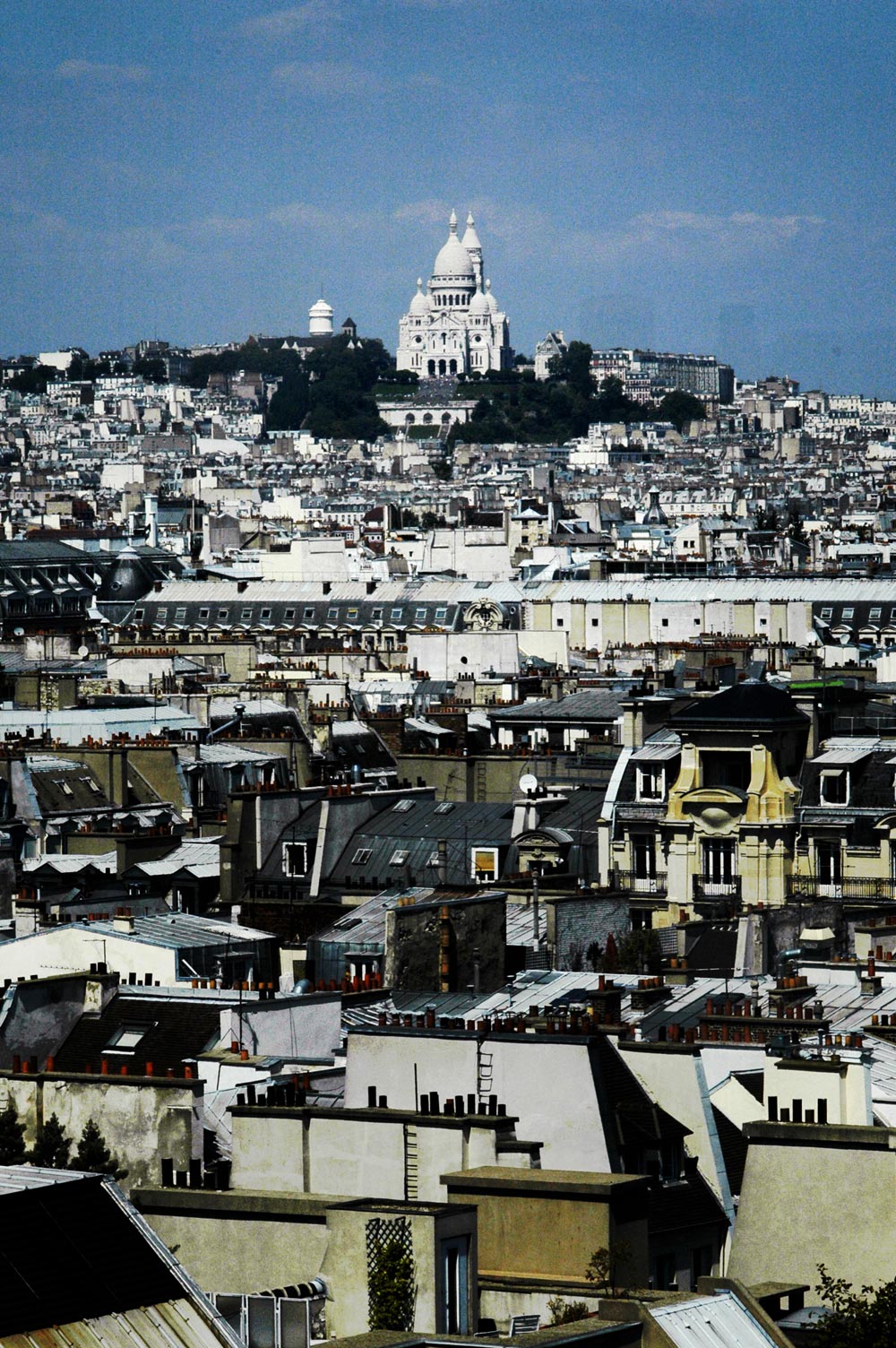


Landmarks and character
Key sites give Montmartre a distinctive character. Small open spaces such as Place du Tertre attract painters and portraitists; historic cabaret venues and nightlife venues at the foot of the hill recall the neighbourhood’s entertainment past; and vestiges of rural Montmartre remain in places like the tiny Clos Montmartre vineyard and a few preserved windmill structures. Compact museums, artist studios and independent galleries are scattered through the streets.
History and development
For many centuries the butte of Montmartre stood at the edge of dense Parisian development and kept a semi-rural identity. The name has long been linked in tradition to early Christian martyrs and religious history. In the 19th century the area became a magnet for painters, writers, musicians and performers who established cafés, cabarets and ateliers; this bohemian community played an important role in the emergence of modern art. Montmartre also figures in France’s political history, notably during the turbulent events of the 19th century that shaped modern Paris.
Artists and cultural legacy
From the late 1800s into the 20th century the quarter was home or workplace to many influential artists. The affordable studios, lively cafés and informal networks of teachers and peers encouraged experiment and exchange. Notable figures associated with Montmartre include Salvador Dalí, Claude Monet, Pablo Picasso and Vincent van Gogh; others such as Renoir and Toulouse-Lautrec are also widely linked with the neighbourhood’s creative history. Institutions and sites like the former Bateau-Lavoir ateliers and the Musée de Montmartre preserve and interpret this artistic heritage.
Museums, cultural sites and events
The area contains several small museums and cultural spaces devoted to the arts and local history, including house-museums, collections of works by local painters and exhibition spaces that document Montmartre’s social life. Annual and seasonal events, such as the traditional grape harvest of Clos Montmartre, are reminders of the hill’s older agricultural past and of the neighbourhood’s continuing local traditions.
Tourism, daily life and conservation
Today Montmartre is both a popular tourist destination and a lived-in neighbourhood. Visitors come for the basilica, the artists at Place du Tertre, lively cafés, and occasional cabaret performances; they also use the funicular and steep stairways that access the summit. Tourism has brought commercial change and crowds, but a resident community, working artists and conservation efforts strive to maintain the quarter’s historic fabric, small-scale shops and cultural uses.
Notable facts
- Montmartre’s hilltop position gives it unique viewpoints over Paris and a compact, village-like plan within a modern city.
- The neighbourhood’s mix of religious, artistic and entertainment landmarks contributes to its international reputation.
- Despite heavy visitation, ongoing museum work, protected buildings and local events continue to keep alive the area’s distinctive heritage.
Related articles
Author
AlegsaOnline.com Montmartre — Hill and Bohemian Quarter of Paris Leandro Alegsa
URL: https://en.alegsaonline.com/art/66428
Sources
- fodors.com : "Montmartre"