
Montaigu-le-Blin — commune in Allier, central France
Montaigu-le-Blin is a small rural commune in the Allier department of central France, known for its local heritage, agricultural landscape and village community life.
Overview
Montaigu-le-Blin is a small rural commune in the Allier area of department administration within central France. Like many French communes, it functions as the lowest level of local government and centres on village life, local services and communal events.
Image gallery
1 Image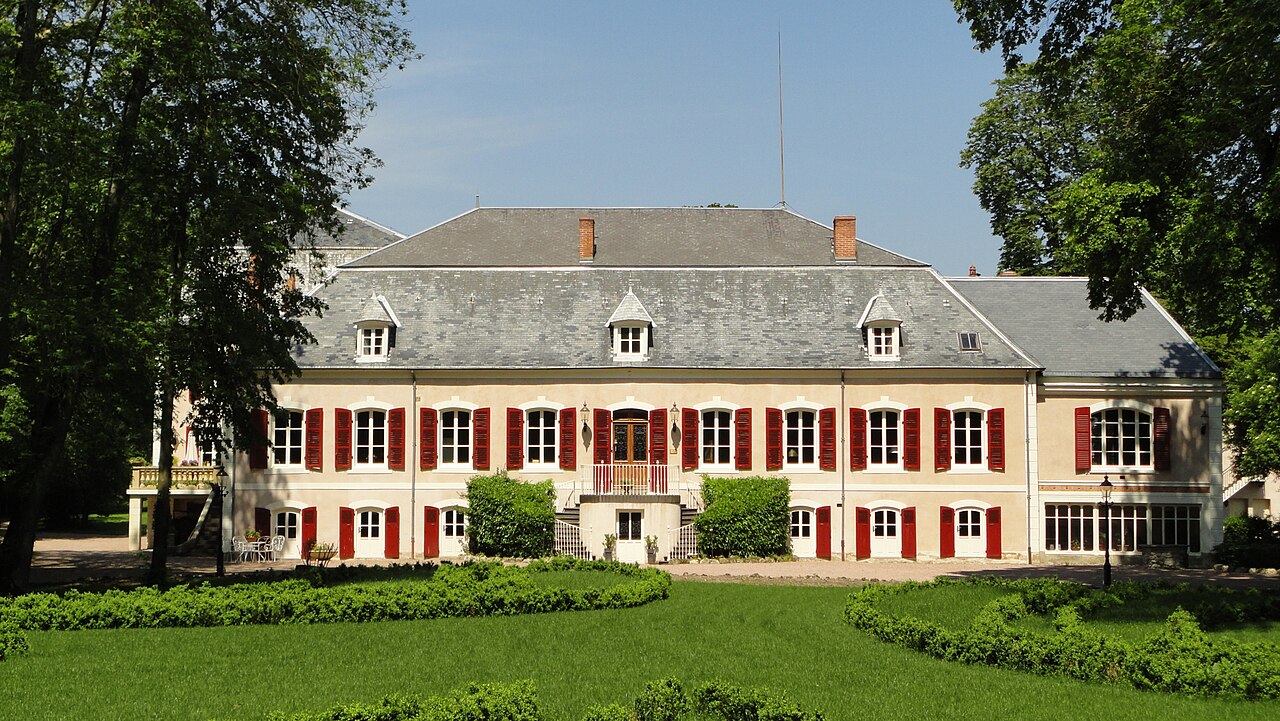
Geography and setting
The commune occupies a largely agricultural landscape of fields, hedgerows and small woodlands typical of the region. Roads link it to nearby towns and neighbours; the surrounding countryside supports mixed farming and provides a quiet, rural environment valued by residents and visitors.
History and development
Montaigu-le-Blin's name reflects a long human presence: "Montaigu" suggests a raised or fortified site in old French place naming. Over centuries such villages evolved around parish churches, farms and occasionally a manor or defensive structure. The settlement pattern today combines historic buildings with modern rural homes.
Economy, culture and community
The local economy is predominantly agricultural, supplemented by small businesses, artisans and services that support day-to-day life. Community life often revolves around seasonal festivals, markets and the communal hall; local associations sustain cultural and sporting activities.
Heritage and points of interest
Visitors can expect village-scale heritage: a parish church, traditional stone houses and landscape features that reflect agricultural history. Nearby footpaths and lanes invite walking and cycling; local notices typically point to outreach events and occasional heritage visits.
Administration and practical information
As a commune, Montaigu-le-Blin is administered by a municipal council and mayor within the French system of communes, cantons and departments. Practical information such as local services, municipal hours and events is usually available from the town hall or regional guides and websites.
- Typical activities: walking, local markets, village events
- Landscape: mixed farmland, small woods, rural lanes
- Community focus: parish and municipal life
For administrative details, historical records or visitor information consult local sources and regional guides that cover the Allier department and its communes.
Related articles
Author
AlegsaOnline.com Montaigu-le-Blin — commune in Allier, central France Leandro Alegsa
URL: https://en.alegsaonline.com/art/66239
Sources
- insee.fr : INSEE