
Montana (former municipality) — Crans‑Montana plateau, Valais, Switzerland
Montana was a former municipality in the Sierre district of Valais, Switzerland, now part of the merged municipality and ski resort Crans‑Montana. Overview, geography, history, and tourism.
Overview
Montana was a former municipality in the Sierre district of the canton Valais (Valais) in Switzerland. It occupied part of the high plateau above the Rhône valley that is widely known for alpine scenery and mountain tourism. Montana is best known today as one of the communities that together form the Crans‑Montana resort area.
Image gallery
6 Images


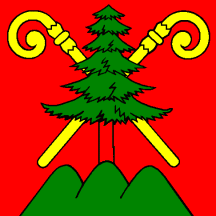
Geography and settlement
The settlement sits on a sunny terrace with views over the valley floor and surrounding peaks. Its built environment historically combined a village core of chalets and public buildings with hospitality facilities catering to visitors. The local landscape supports winter sports on nearby slopes and summer hiking, making the area seasonal in character.
History and administrative change
For much of its recent history Montana functioned as an independent municipality within the Valais administrative structure. It was one of the six municipalities linked by the shared identity and infrastructure of a single ski and tourist destination. On 1 January 2017 Montana merged with neighboring municipalities to form the new municipality of Crans‑Montana, an administrative reorganisation intended to streamline services and unify planning for the resort.
Crans‑Montana and neighbouring communities
The Crans‑Montana area is a cooperative resort made up of several former municipalities. These include:
- Crans‑Montana (resort) as the umbrella destination
- Icogne
- Lens
- Randogne
- Mollens
- Chermignon
Economy, tourism and transport
The local economy has long centred on tourism, hospitality and services related to alpine sports. Ski lifts, groomed pistes and summer trails attract visitors; hotels and restaurants provide accommodation and dining. Road access from the Rhône valley and regional public transport connect the plateau with the nearby town of Sierre and the wider Valais transport network.
Notable facts and identity
Although Montana no longer exists as an autonomous municipality, its name and village character remain part of the Crans‑Montana identity. The merger brought together administrative functions while preserving local traditions, seasonal events and the built heritage of the former municipality.
Related articles
Author
AlegsaOnline.com Montana (former municipality) — Crans‑Montana plateau, Valais, Switzerland Leandro Alegsa
URL: https://en.alegsaonline.com/art/66247