
Mont-Saint-Éloi: hilltop commune and abbey ruins in Pas-de-Calais
Mont-Saint-Éloi is a small commune in Pas-de-Calais, northern France, noted for a limestone hill topped by medieval abbey ruins, twin towers and panoramic viewpoints that attract walkers and local visitors.
Overview
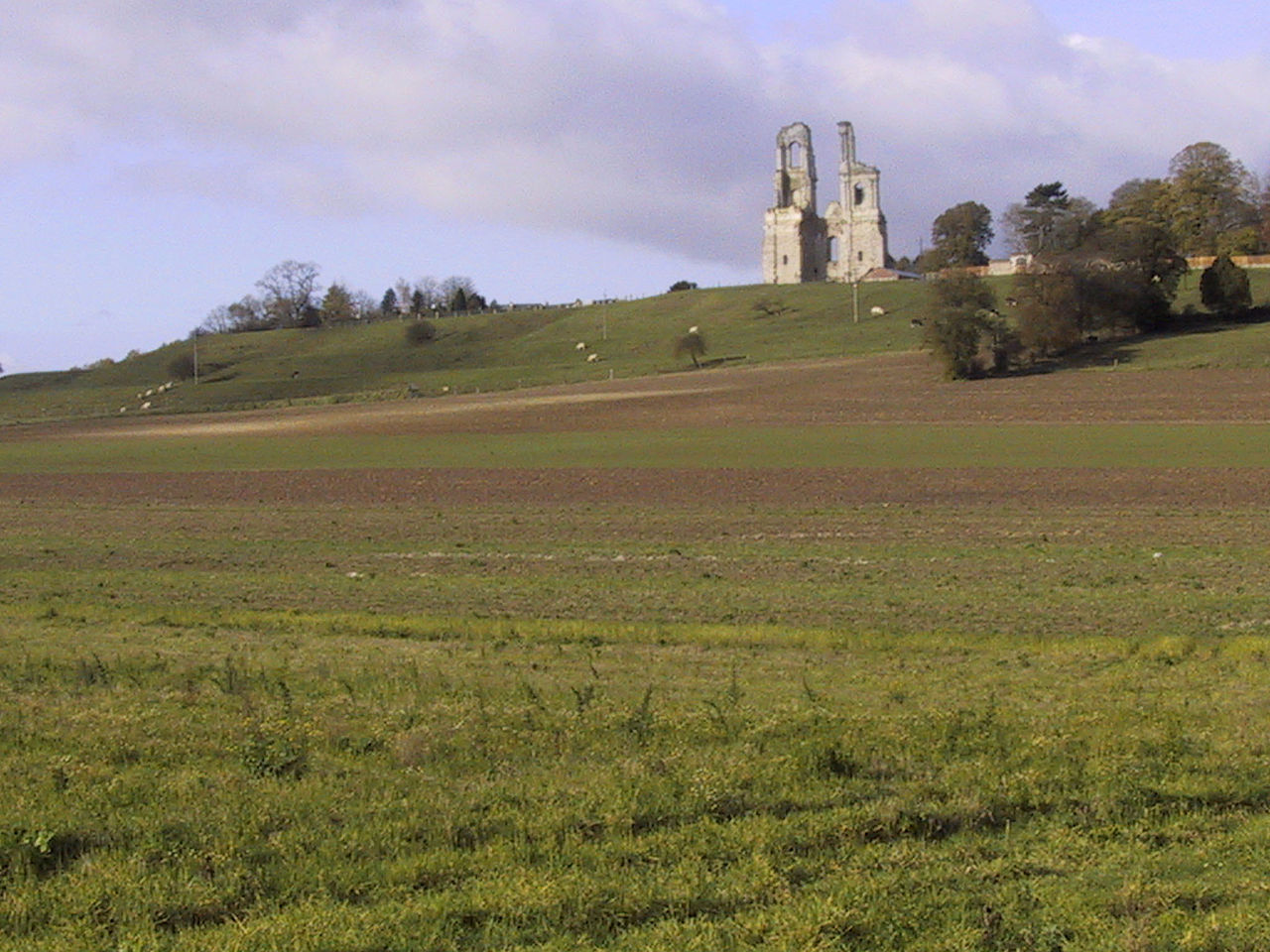
Mont-Saint-Éloi is a rural commune in the north of France. Administratively it lies in the Pas-de-Calais department and is associated with the historical region often referred to as Nord-Pas-de-Calais. The settlement is best known for a prominent limestone or chalk hill whose summit is crowned by the remains of a medieval abbey, including two tall ruined towers that are visible across the surrounding plain.
Image gallery
9 Images




Geography and landscape
The hill rises from a predominantly agricultural landscape and provides wide views over arable fields and small villages. The geology is typical of the regional chalk and limestone formations, which produced local quarries and influenced historic building materials. Paths, lanes and minor roads connect the site with nearby towns and make the crest accessible to walkers and visitors. Local routes and viewpoints are often described in regional tourism materials and departmental guides (northern France resources).
History
The place-name commemorates Saint Éloi (Eligius), a 7th-century saint associated with the early medieval church. A monastic foundation occupied the hill in the Middle Ages and the abbey complex developed over several centuries. The surviving towers and fragments of masonry record a long sequence of construction, alteration and partial destruction, influenced by changing religious, military and economic circumstances. Over time parts of the complex were dismantled or reused, a fate common to many rural monastic sites.
Architecture and remains
- Twin towers: the most conspicuous elements, visible from a distance and serving as a local landmark.
- Abbey fabric: surviving walls, arches and carved stonework that indicate the complex plan of church and cloister buildings.
- Landscape features: traces of quarries, terracing and access routes that reflect historic exploitation of the hill and its setting.
Conservation and access
The site is of local archaeological and cultural interest and is subject to conservation considerations managed by departmental and municipal authorities. Visitors are encouraged to respect signs, fences and private land; access is usually by foot along designated paths. Practical visitor information and heritage notices may be available through the commune's official entry and regional portals (regional resources, department pages).
Visiting and cultural significance
Mont-Saint-Éloi attracts walkers, photographers and those interested in medieval architecture and rural history. Its combination of natural viewpoint and archaeological remains makes it a common stop on local cultural routes. The ensemble is referenced in regional guidebooks and by local heritage organizations; further practical information is provided by tourism offices and departmental cultural services (Pas-de-Calais authorities).
For an official overview and administrative details consult the commune listing (commune page) and the wider regional guides that profile historic sites across the northern provinces (northern France guides).
Related articles
Author
AlegsaOnline.com Mont-Saint-Éloi: hilltop commune and abbey ruins in Pas-de-Calais Leandro Alegsa
URL: https://en.alegsaonline.com/art/66206