
Mont-Saint-Sulpice (Yonne)
Mont-Saint-Sulpice is a small rural commune in the Yonne department of Bourgogne-Franche-Comté, central France, known for agricultural landscape, a local parish church and its role in local administration.
Mont-Saint-Sulpice is a small commune located in the Yonne department of the Bourgogne-Franche-Comté region in north-central France. It is one of many rural communes that together form the fabric of French local administration. The settlement takes its name from a hill or mount and the dedication to Saint Sulpice, a common practice that reflects medieval parish organization.
Image gallery
1 Image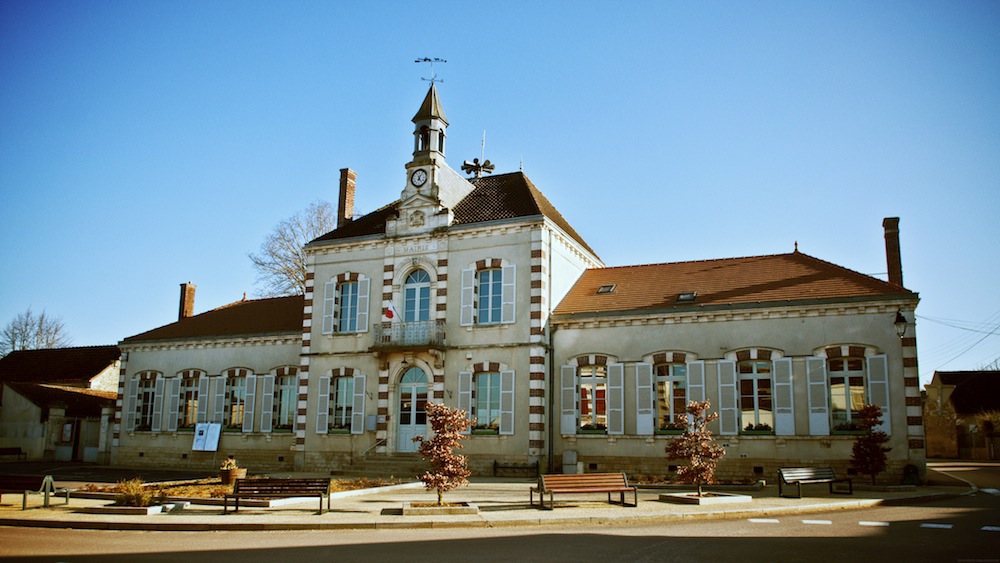
Location and geography
The commune lies within the administrative limits of the Yonne department and is part of the wider area commonly described as central France. The landscape is typically rural: a mix of small fields, pastures and patches of woodland. Such communes often sit near minor roads connecting them with larger market towns and the departmental capital.
Administration and community
Mont-Saint-Sulpice is governed according to the French communal system, with a mayor and municipal council responsible for local services, planning and community life. The commune maintains relationships with neighboring communes and the departmental authorities for education, infrastructure and social services. Official information about the locality can typically be found on a municipal or departmental web page such as a commune information page or through departmental portals.
History and heritage
Like many villages bearing the name of a saint, Mont-Saint-Sulpice likely grew around a parish church dedicated to Saint Sulpice. Its roots are generally medieval; features include vernacular houses, agricultural buildings and sometimes a small church or chapel that serves as the historic focal point. Over centuries the commune would have experienced the same broad trends as rural France: agrarian life, periodic population shifts, and administrative changes during and after the French Revolution.
Economy and daily life
The local economy is principally agricultural, with farms producing cereals, livestock or mixed cropping depending on local soils and traditions. Village life centers on communal institutions: the town hall, village church, and occasional communal events. Residents commonly travel to nearby towns for broader services, markets and secondary schools.
Points of interest and practical information
- Typical sights include the parish church, historic farmhouses and the surrounding countryside suited to walking and country pursuits.
- Transport connections are usually by departmental roads; the nearest rail or major road links lie in larger towns of the department.
- For administrative details, maps or demographic updates consult the departmental resources or a local commune page such as departmental information and regional guides via central France portals.
While small, Mont-Saint-Sulpice exemplifies the many modest communes that form France's rural landscape, preserving local traditions and providing a link between regional history and contemporary rural life. For concise official data consult a municipal or departmental reference such as commune data or broader administrative sources at departmental pages.
Related articles
Author
AlegsaOnline.com Mont-Saint-Sulpice (Yonne) Leandro Alegsa
URL: https://en.alegsaonline.com/art/66215
Sources
- insee.fr : INSEE