
Monieux — small Provençal commune in Vaucluse, France
Monieux is a hilltop commune in Vaucluse, Provence-Alpes-Côte d'Azur, known for limestone gorges, rural character, walking routes and proximity to the Gorges de la Nesque.
Monieux is a small commune in the Vaucluse department of the Provence-Alpes-Côte d'Azur region. It is a hilltop village with a compact historic core and, according to late 20th-century records, had about 250 inhabitants (1999 population). Administratively it belongs to the network of communes in Vaucluse and lies within the broader Provençal landscape (Vaucluse, Provence-Alpes-Côte d'Azur).
Image gallery
4 Images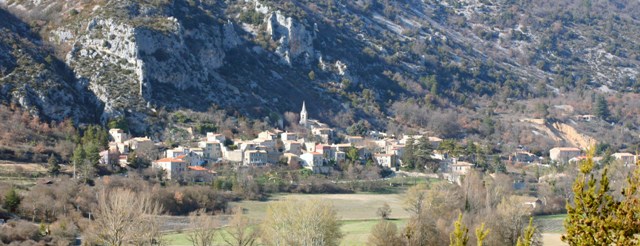


Geography and landscape
Monieux stands above a limestone plateaus and gorges typical of inland southern France. The surrounding terrain includes rocky cliffs, wooded slopes and deep valleys carved by seasonal streams; the nearby Gorges de la Nesque is a notable natural feature often visited by walkers and drivers. The village's elevated site gives panoramic views of the surrounding countryside and a climate influenced by Mediterranean and upland conditions (southern France).
History and character
The settlement has medieval origins and retains narrow lanes, stone houses and traces of traditional rural architecture. Over centuries Monieux functioned as an agrarian community; its local character reflects Provençal customs, place names and vernacular building styles. The historic layout and setting contribute to its appeal for visitors seeking a quiet rural experience.
Population, economy and services
The permanent population is modest and the local economy mixes small-scale agriculture, forestry and hospitality services. Seasonal tourism and second-home ownership influence local activity, with facilities aimed at walkers, cyclists and nature visitors. Local shops, cafes and municipal services are typical of a small commune; for authoritative administrative information consult the commune's official pages (commune information).
Sights and activities
- Views and viewpoints over limestone gorges and the rolling Provençal countryside.
- Hiking and walking routes that explore nearby cliffs, plateaus and river valleys.
- Traditional village streets, stone houses and occasional local markets or events.
Visitors planning a trip will find regional guides and park information useful for maps, access routes and seasonal advice; these resources cover safety and conservation practices for fragile calcareous environments (regional information, visitor info). For local administrative details and contacts see the commune page (official commune site).
Related articles
Author
AlegsaOnline.com Monieux — small Provençal commune in Vaucluse, France Leandro Alegsa
URL: https://en.alegsaonline.com/art/66059