
Monks Eleigh: village and civil parish in Babergh, Suffolk
Monks Eleigh is a small rural village and civil parish in the Babergh district of Suffolk, England, with a historic character and a recorded population of 425 in 2001.
Overview
Monks Eleigh is a small village and civil parish in the Babergh district of eastern England. It lies in the county of Suffolk and is administered at district level by Babergh. The community is rural in character and has traditionally been linked to agriculture and local trades. The population was recorded as 425 in the 2001 census, reflecting its status as a small settlement.
Image gallery
3 Images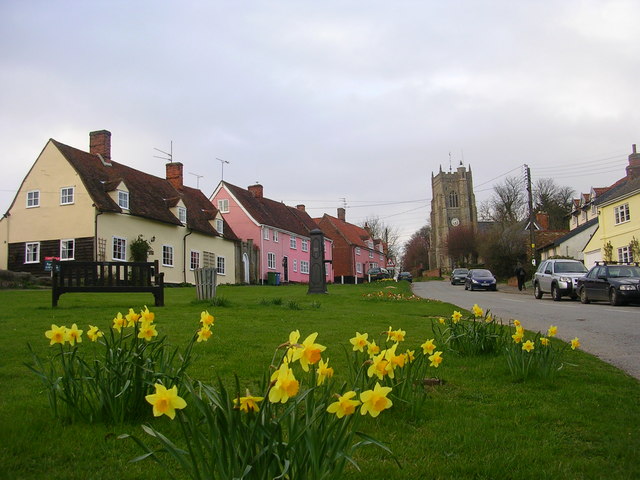


Characteristics and layout
Like many Suffolk villages, Monks Eleigh is centred on a parish church and a village green or common. The settlement pattern includes residential cottages, farm buildings and lanes that connect to nearby communities. Traditional building materials in the area often include timber framing, brick and flint, which contribute to a distinctive local appearance.
History and name
The place-name combines an element indicating former monastic ownership with an older English toponym. The prefix "Monks" suggests the land was once held by a monastic institution, while "Eleigh" derives from an older local name. The village has medieval roots and has evolved slowly over centuries as agriculture and rural life changed in eastern England.
Community and governance
Monks Eleigh is governed as a civil parish with responsibilities for local amenities and planning comments, and it falls within the wider district structures of Babergh and the county of Suffolk. Community life in villages of this size typically revolves around the church, village hall and small local events, with residents often travelling to nearby market towns for shops and services.
Features, uses and significance
- Rural landscape and farmland surrounding the village.
- Historic buildings and vernacular architecture that reflect local heritage.
- A small, close-knit population contributing to local identity.
Monks Eleigh exemplifies the many small parishes that form the historic rural fabric of Suffolk. It is representative of the county's agricultural past and preserved village character while remaining part of modern local government structures.
Related articles
Author
AlegsaOnline.com Monks Eleigh: village and civil parish in Babergh, Suffolk Leandro Alegsa
URL: https://en.alegsaonline.com/art/66077
Sources
- ons.gov.uk : "Local statistics - Office for National Statistics"