
Molly Brown (Margaret 'Molly' Brown, 1867–1932)
American socialite, philanthropist and activist, best known as a Titanic survivor and for public service in Denver and beyond; remembered as the 'Unsinkable Molly Brown' and subject of stage and screen portrayals.
Overview
Margaret "Molly" Brown (July 18, 1867 – October 26, 1932) was an American social figure, philanthropist and activist who became widely known after surviving the 1912 sinking of the R.M.S. Titanic. Her public persona combined social prominence with direct involvement in charitable relief, civic causes and advocacy for women’s opportunities. Later dramatizations helped popularize the nickname "Unsinkable Molly Brown", though historians note the gap between stage legend and the record of her civic work.
Image gallery
7 Images



Early life and family
Born in Hannibal, Missouri, Brown moved west as an adult and settled in Denver, Colorado, after marrying James Joseph (J. J.) Brown in 1886. Their wealth, largely connected to mining successes in the region, allowed her to take on public roles and to support philanthropic projects. The couple had two children, Lawrence Palmer Brown (born 1887) and Catherine Ellen Brown (born 1889). J. J. Brown died in 1922; Molly Brown continued her public activities in the decades that followed.
Titanic and public recognition
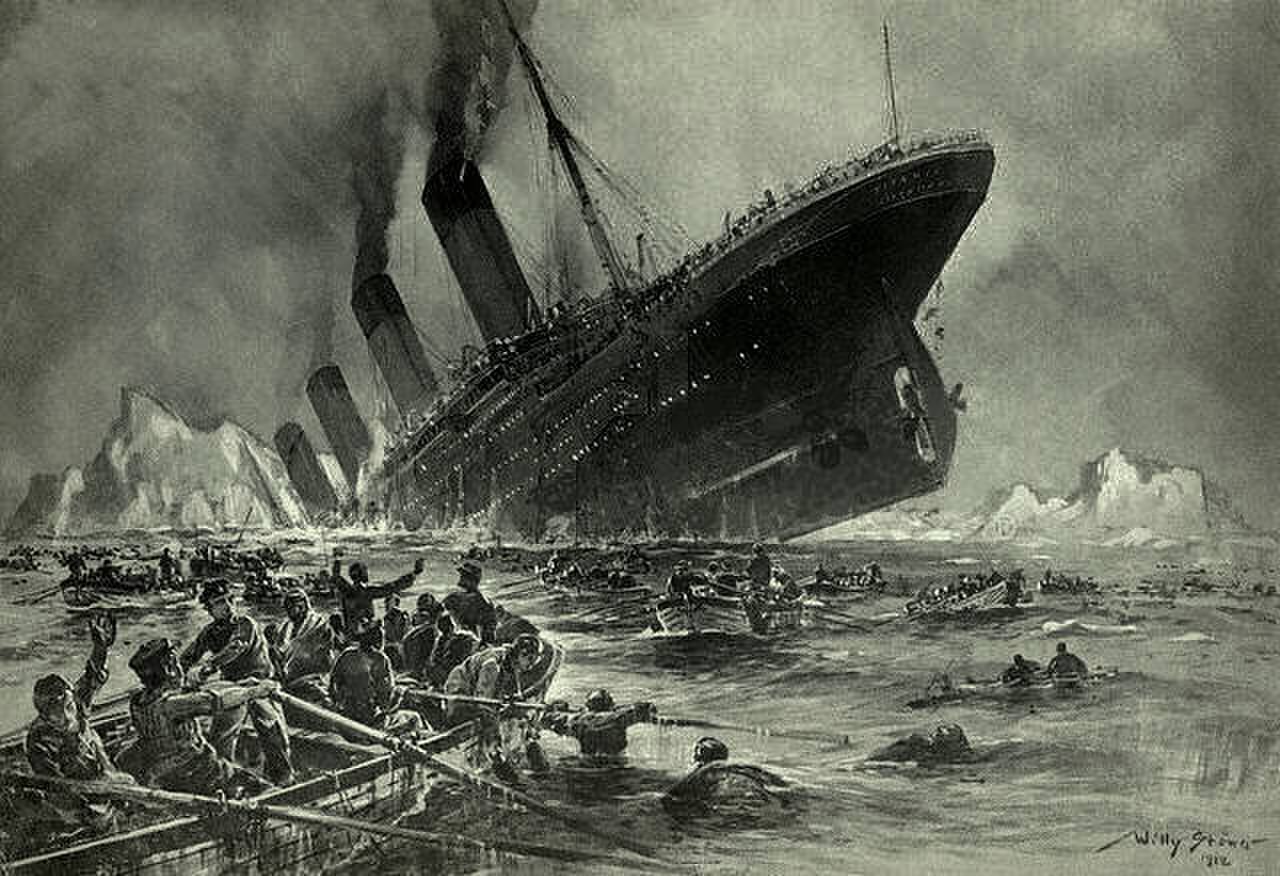
Brown survived the Titanic disaster in April 1912. Contemporary reports and later accounts emphasize her efforts to assist other passengers and to press for greater efforts to look for survivors after the ship sank. Her conduct during and after the voyage attracted press attention and contributed to a reputation for courage and determination; she was widely described in popular accounts as a Titanic survivor with an outspoken temper and a practical concern for others.
Activism, philanthropy and public life
Throughout her life Brown engaged in charitable and civic activities. She supported health and education projects, relief efforts during and after World War I, and causes aimed at improving opportunities for women. She used her home and social position to organize aid, to raise funds and to speak publicly on social issues. Her interests ranged from local Denver initiatives to participation in national relief committees, and she is often described as both a socialite and philanthropist who took an active role in public service.
Legacy
Brown died on October 26, 1932, in New York City from a brain tumor, aged 65. Her life has been the subject of biographies, museum displays and dramatic reinterpretations. The Molly Brown House Museum in Denver preserves the home associated with her and interprets her civic work and personal story. Popular culture — most notably a 1960 Broadway musical and a 1964 film — cemented the "Unsinkable" image, while scholars and curators emphasize a fuller picture of her contributions to relief work, education and women's causes. For further reading on her life and legacy see general biographies and institutional collections that hold her letters and records (biography and legacy).
Activities and public roles
- Organizing and supporting charitable relief projects
- Advocating for educational and health initiatives
- Supporting opportunities for women and public involvement
- Participating in wartime and postwar relief efforts
Related articles
Author
AlegsaOnline.com Molly Brown (Margaret 'Molly' Brown, 1867–1932) Leandro Alegsa
URL: https://en.alegsaonline.com/art/65887
Sources
- findagrave.com : Margaret "Unsinkable Molly Brown" Brown