
Mongi Kooli: Tunisian politician and diplomat (1930–2018)
Profile of Mongi Kooli, a Tunisian politician and diplomat who served as governor, member of the Socialist Destourian Party and health minister (1976–1977); born in Ksar Hellal, died 2018.
Overview

Mongi Kooli (15 March 1930 – 14 June 2018) was a Tunisian public official and diplomat known for roles in regional administration and national government. A member of the Socialist Destourian Party, he held senior posts in two governorates and served briefly as Tunisia's health minister in the mid-1970s. His career reflects the administrative and political structures of Tunisia during a period of post-independence consolidation.
Image gallery
1 Image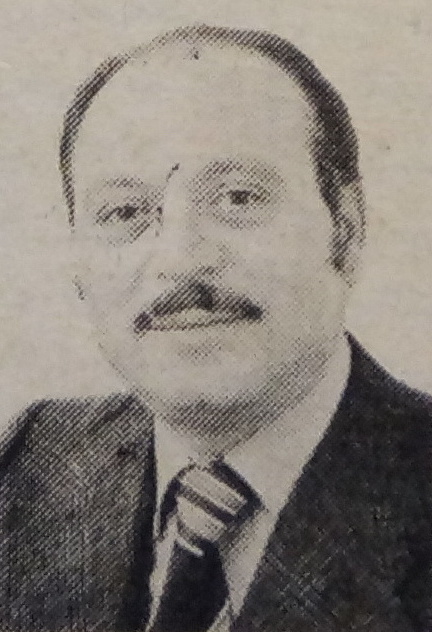
Career and offices
Kooli's public service spanned regional and national responsibilities. He was governor of both Jendouba and Bizerte Governorates, positions in which he oversaw local administration, implementation of central government policies, and coordination of public services. At the national level he served as Minister of Health from 1976 to 1977, a portfolio that includes oversight of hospitals, public health programs and the regulatory framework for medical services.
Political context
As a member of the Socialist Destourian Party, the dominant ruling party in Tunisia for much of the post-independence era, Kooli operated within the single-party political framework that characterized Tunisian governance at the time. Officials in his positions often balanced local development priorities with national planning and the priorities of the central government.
Positions held
- Governor of Jendouba Governorate
- Governor of Bizerte Governorate
- Minister of Health (1976–1977)
Legacy and death
Kooli was born in Ksar Hellal in 1930 and remained a recognizable figure in Tunisian public life for his administrative service. He died on 14 June 2018 in Gammarth, Tunisia, at age 88 from complications of gallbladder cancer. Contemporary notices and obituaries recorded his passing and recalled his roles in regional governance and the health ministry; further details appear in Tunisian press accounts and biographical summaries (regional profile, obituary notice).
Notable facts
Though not widely known internationally, Kooli's career exemplifies the pathway of many mid-20th-century Tunisian civil servants who moved between provincial administration and national ministries. His tenure in the health ministry places him among those officials responsible for public health administration during a decade of institutional development in Tunisia.
Related articles
Author
AlegsaOnline.com Mongi Kooli: Tunisian politician and diplomat (1930–2018) Leandro Alegsa
URL: https://en.alegsaonline.com/art/66036
Sources
- leaders.com.tn : "Mongi Kooli, l'ancien ministre de Bourguiba, est décédé"
- businessnews.com.tn : "Mongi Kooli n'est plus"