
Molex connector: design, types, history and common uses
A family of pin-and-socket electrical connectors originally made by Molex, widely used for power and signal connections in PCs, electronics, and appliances. Overview, common types, uses and practical notes.
A Molex connector refers to a range of removable pin-and-socket electrical connectors originally produced by the Molex company. Over time the brand name has become a generic label for several families of rectangular plastic housings and matching wire terminals used to carry power or signals between circuit boards, power supplies and components. The term is most commonly heard in the context of desktop personal computers where one style of Molex connector was long used to supply peripheral drives and other devices. personal computers
Image gallery
8 Images

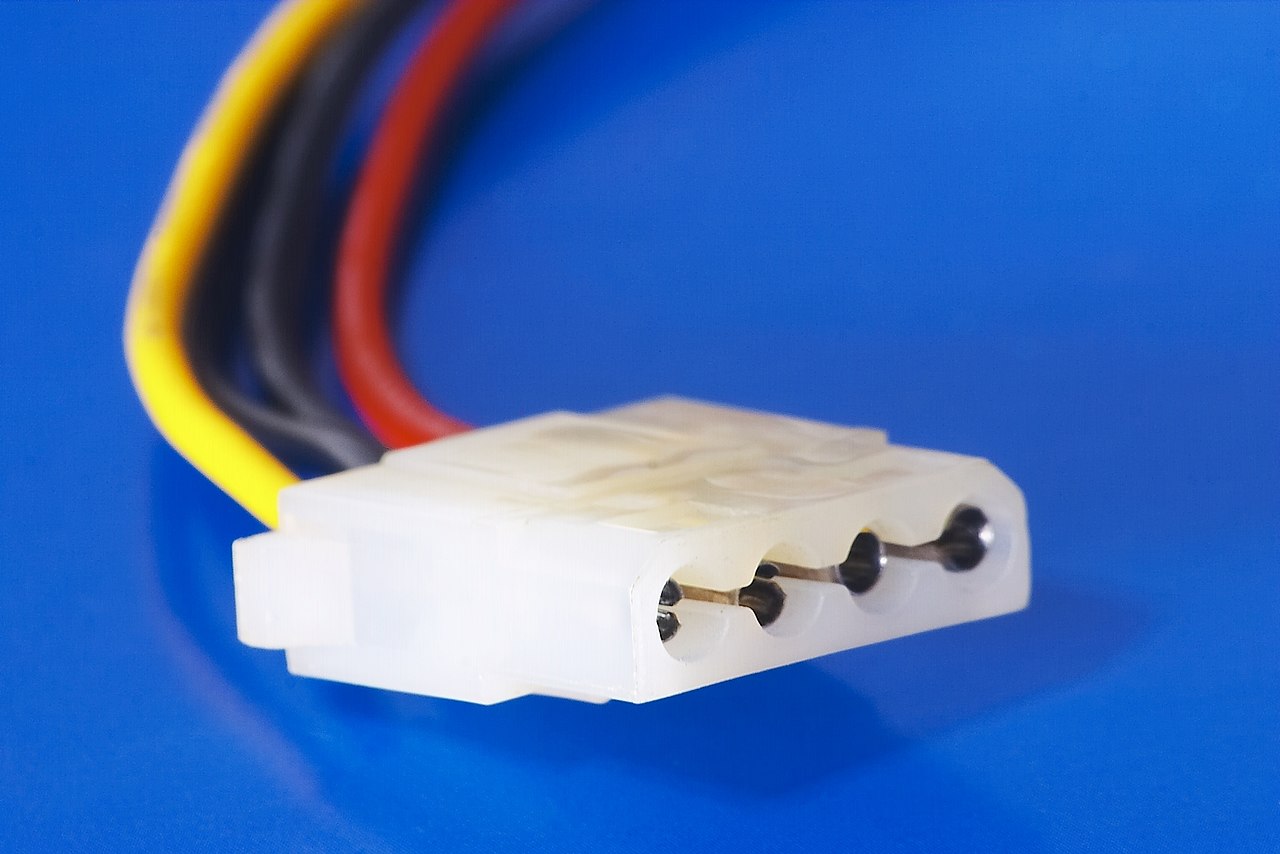
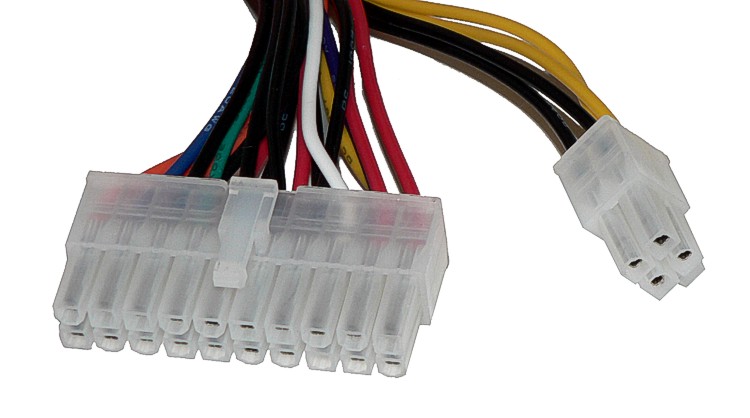


General characteristics
Molex-style connectors share a few practical design features: a molded plastic housing, individual metal contacts that are crimped or fixed to wires, polarization keys to prevent incorrect mating, and a friction or latch mechanism to hold mated halves together. Contacts are typically cylindrical pins (male) and corresponding sockets (female), engineered for repeated insertion and removal. Housings are available in multiple pin counts and pitch sizes, making the family suitable for both power delivery and low-current signal wiring.
Common types and distinctions
- 4‑pin peripheral (often called "Molex"): A larger 4‑pin connector that became synonymous with older hard drives, optical drives and some fans. It supplies simple, low-voltage DC power and is notable for its robust pins and ease of crimping.
- KK series (wire-to-board): Smaller rectangular housings used widely on PCBs and consumer electronics for signal and low-current power connections. These are common in hobby electronics and board-mounted headers.
- Mini‑Fit and similar: Compact, higher-density connectors used where greater current capacity or keyed locking is required; variants are used for main ATX power and CPU power in modern computer supplies.
History and development
These connector families originated with Molex, a manufacturer of interconnect components, and over decades grew into a broad range adapted for many industries. As their designs became popular, the company’s name was often used generically to describe similar pin‑and‑socket housings, even when produced by other manufacturers. The basic form factor—insulating housing with removable metal contacts—has been adapted across generations to meet changing requirements for current, density and locking features.
Uses, examples and practical notes
Molex connectors appear in desktop PCs, consumer electronics, appliances, LED lighting, automotive harnesses and many industrial devices. In computing, they were the standard for powering legacy drives until the widespread adoption of SATA power connectors. When selecting or working with Molex‑style connectors, match the series and contact type to the expected current and environmental needs, use correct crimp tools for reliable termination, and observe polarity and keying to avoid damage. Because the name has become genericized, be sure to confirm exact dimensions and ratings from datasheets when designing or repairing equipment.
Related articles
Author
AlegsaOnline.com Molex connector: design, types, history and common uses Leandro Alegsa
URL: https://en.alegsaonline.com/art/65867