
Missouri Pacific Railroad (MoPac)
Missouri Pacific Railroad (MP or MoPac) was an early U.S. railroad west of the Mississippi, serving the Midwest and Southwest with freight and passenger services; it was acquired by Union Pacific in 1980.
Overview
The Missouri Pacific Railroad, commonly abbreviated MP and often called MoPac or "The Mop," was one of the earliest railroad systems established in the United States west of the Mississippi River. It built and operated routes that linked agricultural, industrial and urban centers across the central and southern United States and carried both freight and passenger traffic for more than a century. The railroad's place among pioneering western lines helped open markets and encourage settlement in the region. Early western railroads frequently cite its role in continental expansion.
Image gallery
6 Images


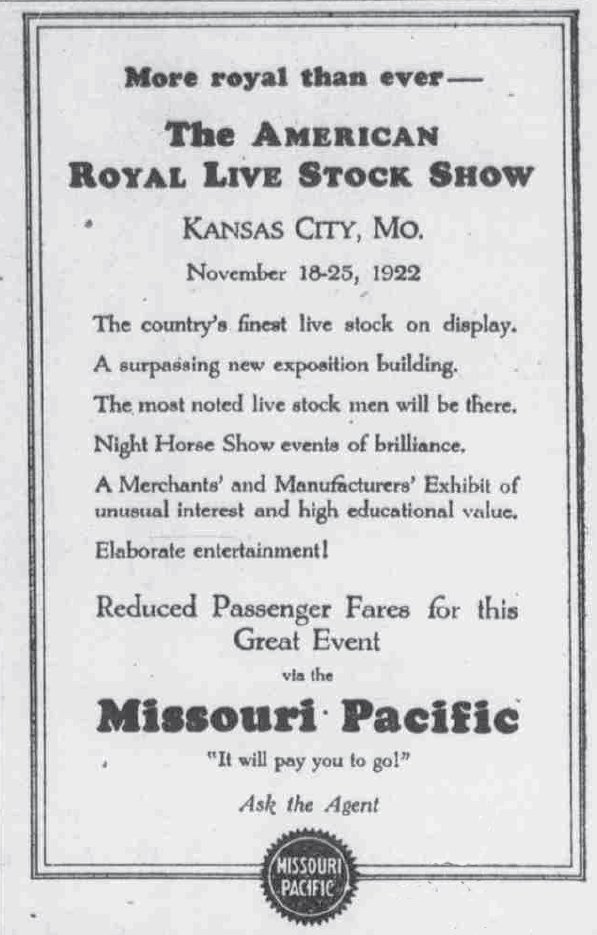
Network and operations
MoPac's network extended through Missouri into neighboring states including Kansas, Arkansas and Texas, serving major cities and many smaller towns. The railroad handled a broad mix of goods — farm products, raw materials, manufactured items and later petroleum and chemicals — while also running intercity passenger trains and commuter services where demand existed. Like other major carriers, MoPac transitioned from steam to diesel locomotives during the mid‑20th century and modernized freight equipment and yards to handle increasing train lengths and heavier tonnage.
Key characteristics
- Reporting mark: MP — used to identify equipment and rolling stock.
- Services: Mixed freight and passenger operations over a regional network.
- Geographic focus: Central and southwestern states, linking interior agricultural areas to coast and national markets.
- Corporate culture: Grew through construction and acquisition, typical of U.S. rail consolidation patterns in the 19th and 20th centuries.
History and corporate change
Founded from a series of chartered rail lines and early construction projects, the Missouri Pacific expanded through both route building and the absorption of smaller companies. Over time it became an important regional carrier with recognizable equipment and named trains that served daily schedules. In the late 20th century its corporate trajectory reflected industry consolidation. On January 8, 1980, Union Pacific Corporation — parent of the Union Pacific Railroad — agreed to acquire the Missouri Pacific, beginning a process of integration of tracks, facilities and operations into a larger national system. Union Pacific Railroad later incorporated much of MoPac's network into its own routes.
Legacy and significance
Missouri Pacific left a lasting imprint on the transportation geography of the central United States. Its routes supported regional economic development, enabled commodity flows between rural producers and urban markets, and helped shape the growth patterns of towns along its lines. Remnants of MoPac survive in place names, preserved equipment, and in sections of track now operated by successor railroads. For historians and rail enthusiasts, MoPac exemplifies the evolution of American railroading from local lines to components of nationwide systems.
Notable distinctions
Beyond its reporting mark and nicknames, MoPac is often remembered as one of the pioneering carriers west of the Mississippi and as an example of the consolidation trend that reshaped U.S. railroading in the 20th century. Its absorption by a larger carrier reflects common economic pressures and regulatory changes that led smaller and regional railroads to join national networks.
Related articles
Author
AlegsaOnline.com Missouri Pacific Railroad (MoPac) Leandro Alegsa
URL: https://en.alegsaonline.com/art/65502