
Model airplane — types, construction, history and uses
A model airplane is a small unmanned replica or original aircraft used for display, hobby flying, testing and research. Covers types, construction, history, operation, and regulation.
Overview
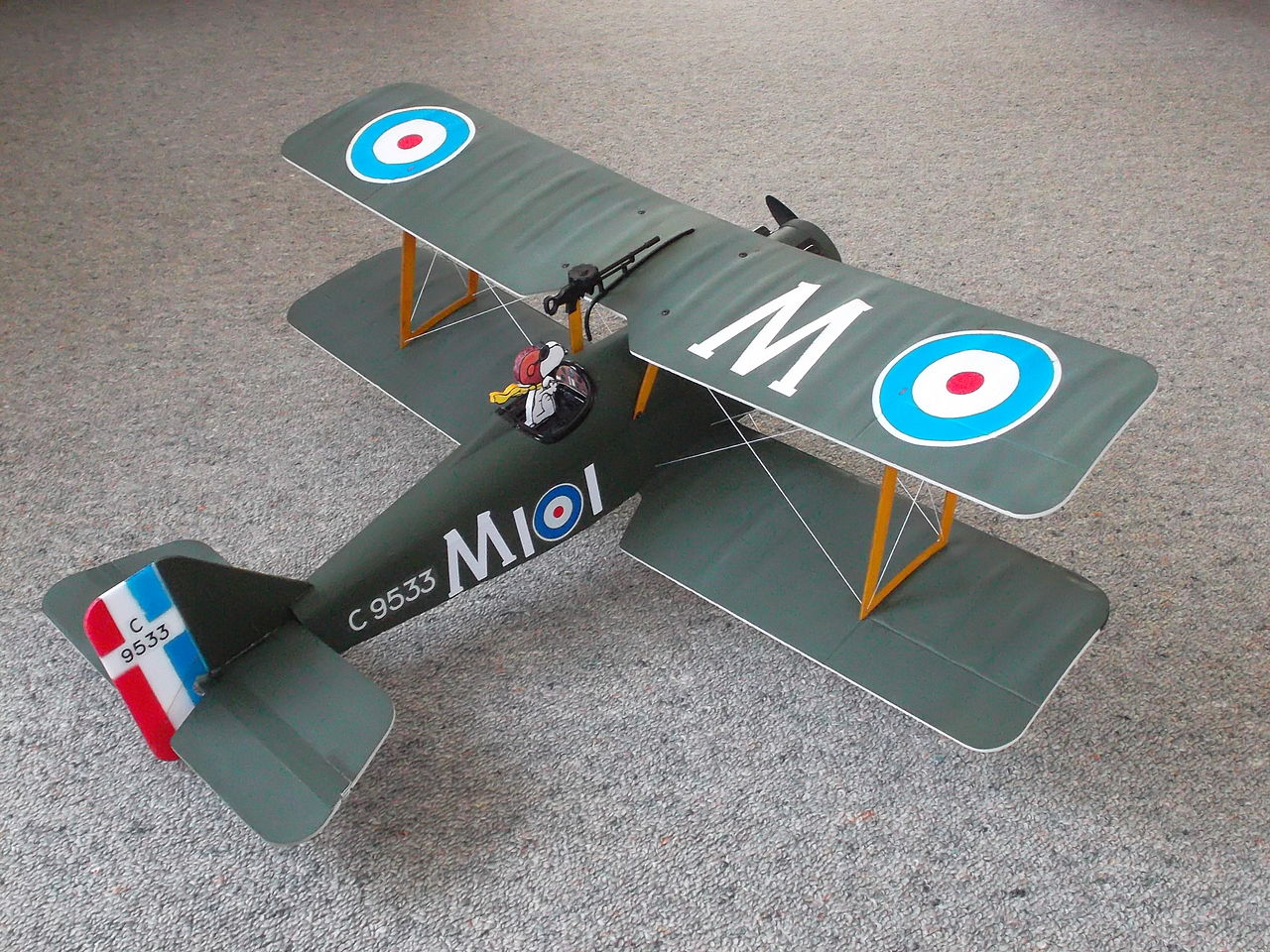
A model airplane is a small-scale aircraft that is not crewed and is built for a variety of purposes including display, recreation, testing and research. Some models are accurate replicas of full-size airplanes, while others are original designs created for flight performance, aesthetic appeal, or educational demonstration. In modern usage the term overlaps with unmanned aerial vehicles; hobbyist radio-controlled models are a familiar example of small, piloted-at-a-distance craft. Many enthusiasts organize clubs and competitions that celebrate craftsmanship, piloting skill and scale fidelity.
Image gallery
10 Images




Design and common components
Model airplanes range from simple gliders to complex powered types. Construction materials and components vary according to intended use, cost and scale realism. Typical elements include a fuselage, wings, empennage (tailplane and rudder), control surfaces, powerplant and landing gear. Common materials are:
- Balsa wood and plywood for traditional lightweight structures
- Foam and molded plastics for inexpensive or impact-resistant models
- Fiberglass, carbon fiber and composites for high-performance or large-scale models
- Injection-molded polystyrene and resin for static display kits
Power sources range from rubber bands and electric motors to internal combustion (glow) engines and small turbine engines for scale jets. Radio control systems provide remote operation of throttle and control surfaces on flying models.
Types and modes of operation
Model aircraft are often grouped by whether they fly and how they are controlled. Major categories include:
- Static models — built for display, museum exhibits, or collectors; may be highly detailed scale replicas that are not intended to fly.
- Free flight — models that fly without active control after launch; flight is governed by trimming and atmospheric conditions.
- Control-line — tethered models flown in a circular path with control transmitted via wires to the rudder.
- Radio-controlled (RC) — models piloted remotely with radio transmitters and receivers; the most common format for hobby flying today.
- Wind-tunnel and test models — scaled sections or complete models used by engineers to evaluate aerodynamic properties during aircraft development.
History and development
Model flying has roots in ancient practices of aeronautical toys and kites, but modern model aviation developed alongside powered flight. Early 20th-century experimenters used models to study aerodynamics; the practice influenced full-scale aircraft design. Radio control emerged and became reliable after World War II, transforming the hobby by allowing complex, controlled flights. Advances in battery and motor technology, especially lightweight electric power and brushless motors, broadened access and reduced maintenance, while modern composites and foam technologies enabled larger and safer models.
Uses, competitions and practical importance
Model airplanes serve many roles: as a recreational hobby, a teaching tool in physics and engineering, and as instruments in aerodynamic research. Organized competitions test scale accuracy, aerobatic skill, duration, and combat-style categories. Static scale modeling is an important part of museum and historical preservation, where accurate replicas illustrate development and design. In industry, engineers use scale and component models for wind-tunnel testing and iterative design before committing to full-size prototypes.
Distinctions, safety and regulation
Notable distinctions include scale models, which attempt to reproduce full-size details and markings, and flying sport models, which prioritize ease of flight and durability. Model aircraft operations are subject to safety considerations and, in many countries, legal rules: operators often must follow altitude limits, keep clear of airports, maintain line-of-sight, and register larger models. Clubs and federations provide training, insurance and standardized rules. For more on the broader category of unmanned systems, see unmanned aerial vehicle.
Questions and answers
Q: What is a model airplane?
A: A model airplane is a small-sized Unmanned Aerial Vehicle that can be a replica of an existing airplane or an imaginary aircraft.
Q: What are the two basic types of model airplanes?
A: The two basic types of model airplanes are flying and non-flying models.
Q: What are non-flying model airplanes also called?
A: Non-flying model airplanes are also called static, display, or shelf models.
Q: What are some examples of flying models?
A: Examples of flying models range from simple toy gliders to powered scale models that can be very large, especially when used to simulate the conditions of a real flight.
Q: What are static models used for?
A: Static models range from mass-produced toys to highly accurate models used for museum display.
Q: Who use wind tunnel models?
A: Aircraft manufacturers and researchers use wind tunnel models.
Q: What are wind tunnel models used for?
A: Wind tunnel models are used for testing new designs and development of new ones, sometimes only part of the aircraft is modeled.
Related articles
Author
AlegsaOnline.com Model airplane — types, construction, history and uses Leandro Alegsa
URL: https://en.alegsaonline.com/art/65696