
Mitsubishi Carisma — compact family car (1995–2004)
Compact family car produced by Mitsubishi for the European market from 1995 to 2004; shared platform with the first‑generation Volvo S40/V40 and built at the NedCar plant in the Netherlands.
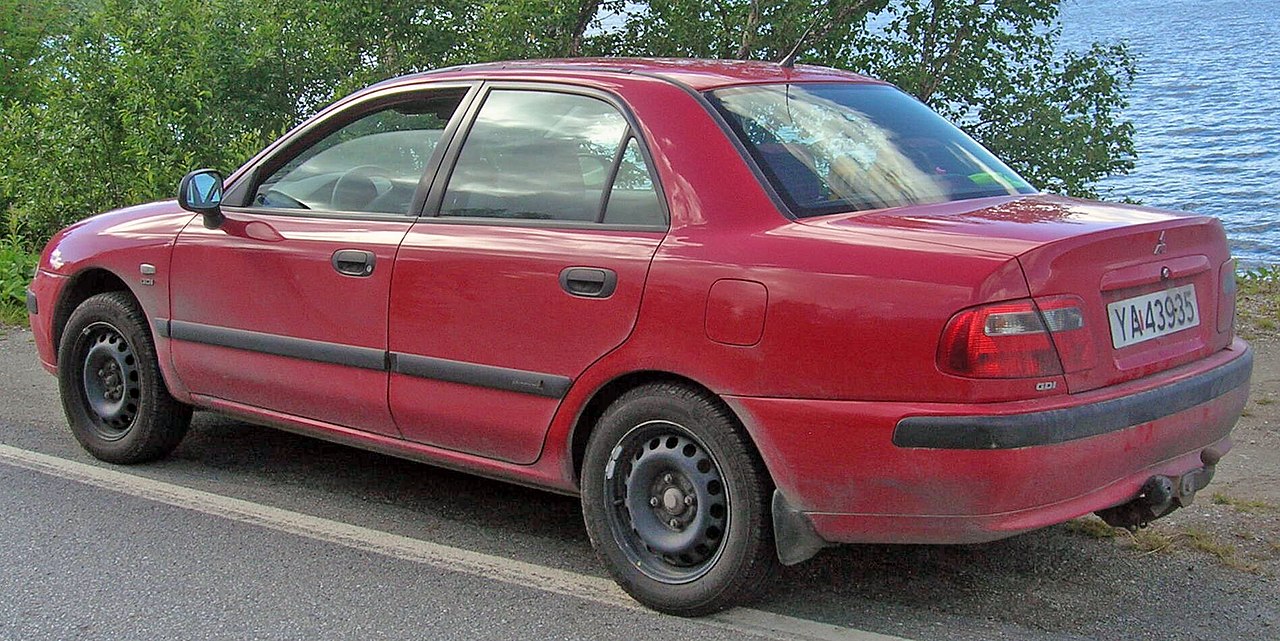
The Mitsubishi Carisma is a compact family car introduced by Mitsubishi Motors for the European market. Launched in the mid‑1990s, it combined a conventional saloon and liftback body approach with a focus on practicality and economy. The model was intended to compete in the crowded C‑segment against other European and Japanese contenders.
Image gallery
10 Images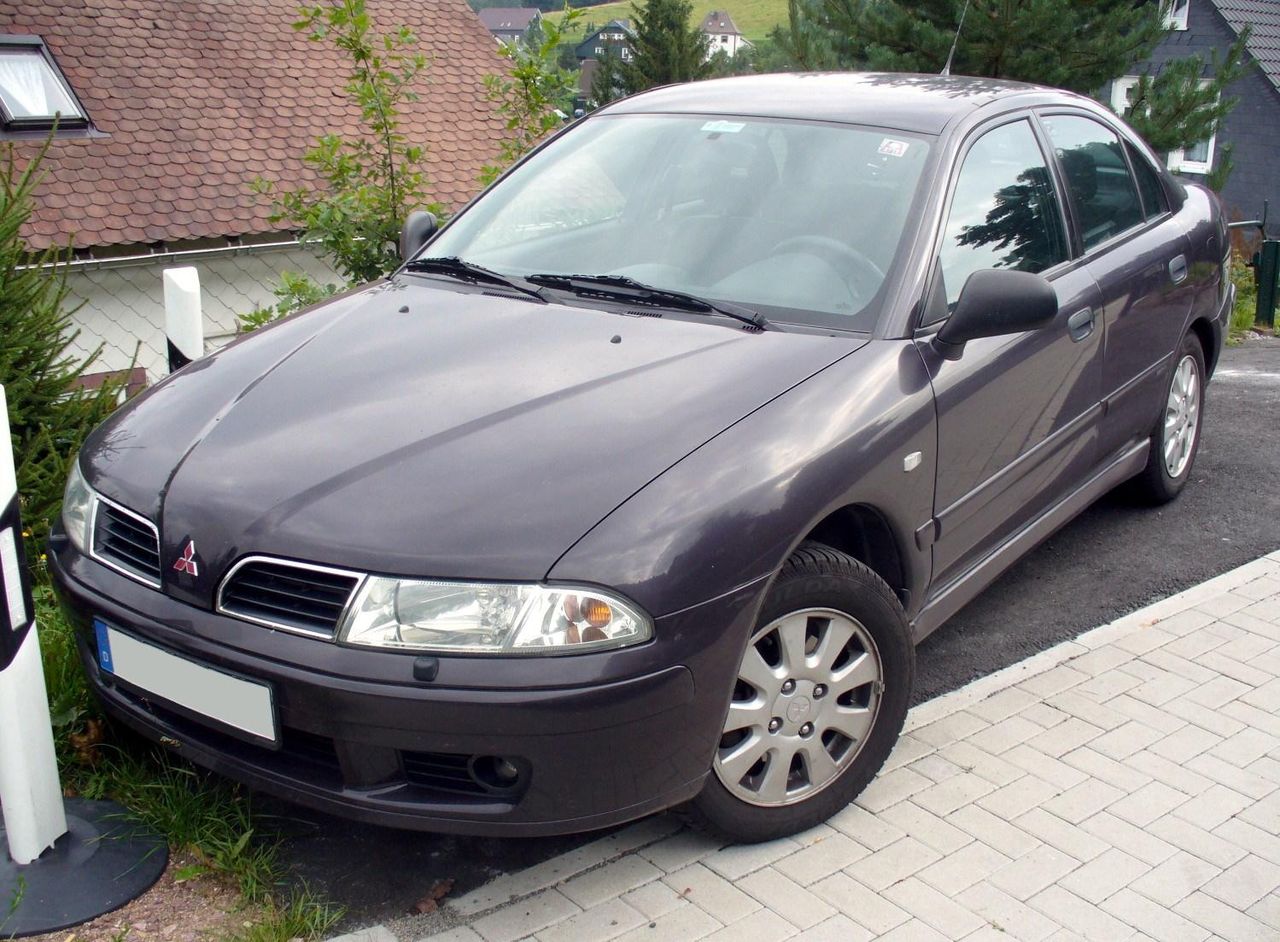



Design and engineering
The Carisma was developed to meet European tastes and regulations, with chassis and suspension tuned for regional roads. It is notable for sharing a platform and certain structural components with the first‑generation Volvo S40/V40; both cars were assembled at the NedCar factory in the Netherlands. Despite the shared underpinnings, Mitsubishi and Volvo produced distinct exterior and interior designs, as well as differing engine and equipment choices.
Body styles, engines and equipment
Mitsubishi offered the Carisma in several trim levels and with a range of petrol and diesel powerplants to suit private buyers and fleets. Typical configurations included four‑door saloons and five‑door liftbacks, with manual and automatic transmissions available. Equipment levels ranged from basic economy fittings to better‑appointed versions that emphasized comfort and safety features common to the era.
- Body types: saloon and liftback
- Power: multiple petrol and diesel options
- Transmissions: manual and automatic choices
The model received a mid‑cycle refresh to modernize styling and interiors, and to keep pace with rivals.
Production timeline and market
Production of the Carisma began in 1995. A facelift during the model run updated the front end and cabin details. Mitsubishi continued to sell the Carisma through the late 1990s and into the early 2000s, with manufacture ending in 2004. Throughout its life the car was primarily aimed at the European market and saw use as private transport, company cars and rental vehicles.
Though not a global bestseller, the Carisma is remembered for its European‑focused development and for being an example of cross‑manufacturer platform sharing that was common in the period. Its collaboration with Volvo and production at the NedCar facility are among the model’s most notable aspects.
Related articles
Author
AlegsaOnline.com Mitsubishi Carisma — compact family car (1995–2004) Leandro Alegsa
URL: https://en.alegsaonline.com/art/65564