
Mil Mi-8 (NATO: 'Hip') — Soviet medium transport helicopter
The Mil Mi-8 is a twin-turbine Soviet-designed medium transport helicopter, widely used for military and civilian roles since the 1960s and noted for its versatility, many variants and global service.
Overview
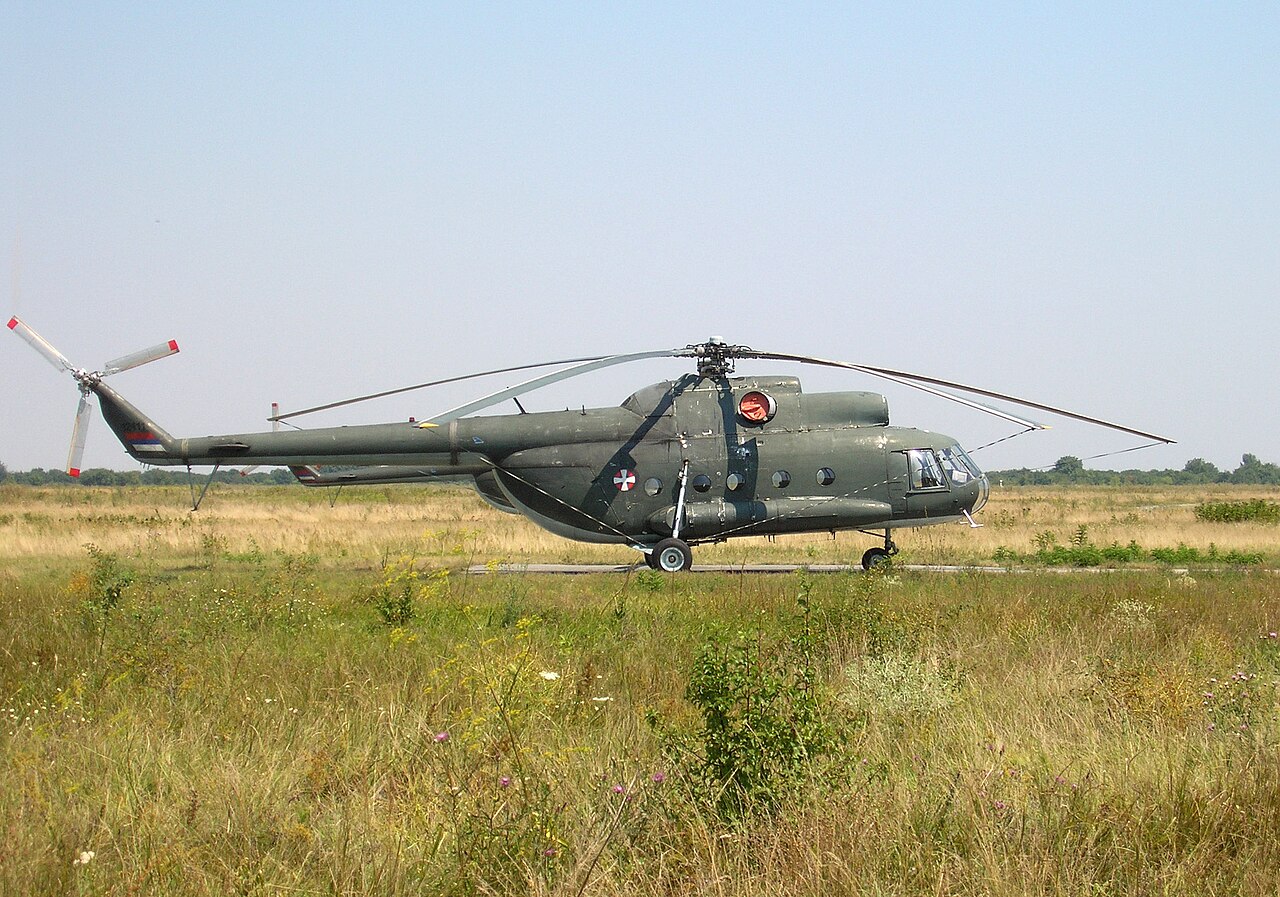
The Mil Mi-8 is a twin-turbine, single-main-rotor helicopter developed by the Mil design bureau in the Soviet Union and commonly known by its NATO reporting name "Hip". Introduced during the Cold War era, it became a primary transport and multi-role rotorcraft for military and civilian operators. The type has been built in large numbers and adapted to operate in diverse climates and environments.
Image gallery
10 Images





Design and characteristics
The basic Mi-8 layout is conventional: a single main rotor with a tail rotor, a boxy fuselage with a rear loading ramp or clamshell doors in many versions, and a fairly spacious cabin. Powered by two turboshaft engines, the helicopter is designed to carry troops, passengers, internal cargo or external loads on a sling. Its reputation is based on robustness, simple maintenance practices and the ability to operate from unprepared or austere sites.
Variants and development
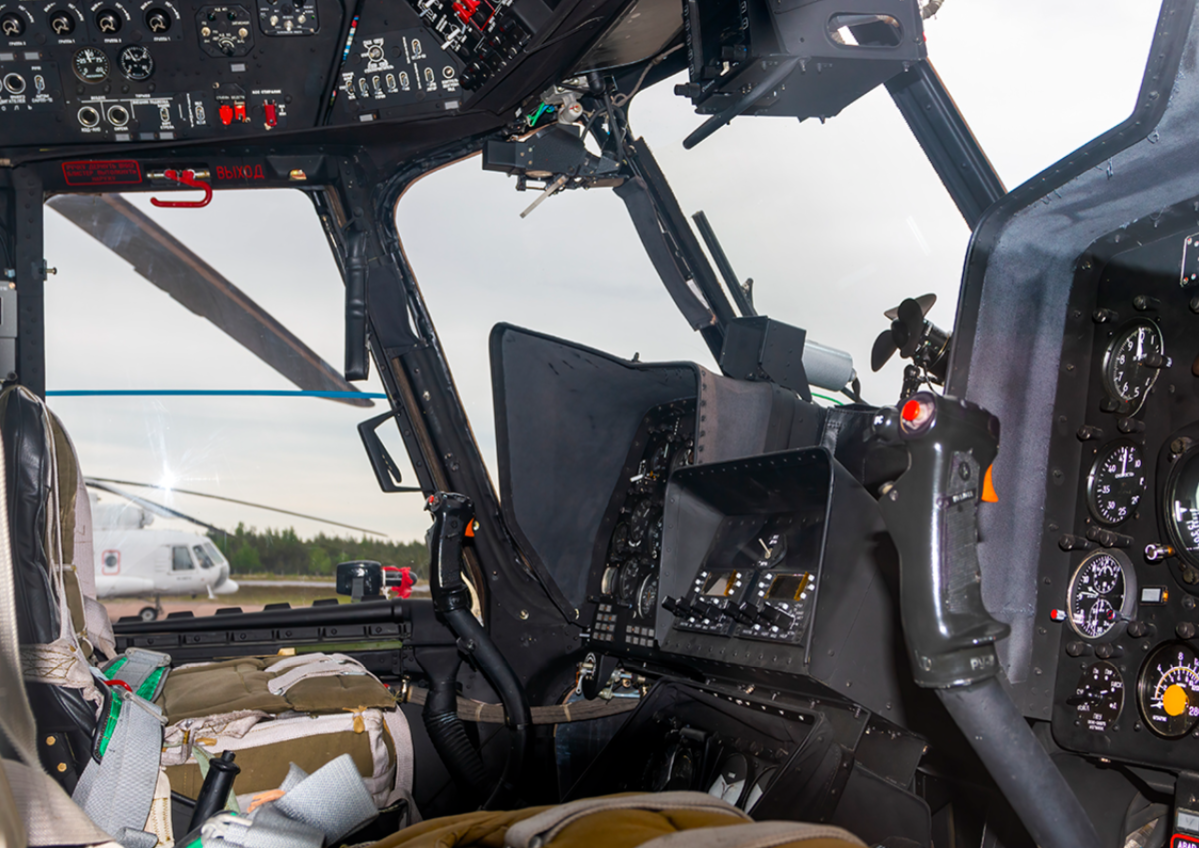
Over time the Mi-8 airframe spawned numerous variants for transport, armed assault, electronic warfare, search and rescue, medevac and maritime roles. It served as the basis for related types such as the naval anti-submarine Mil Mi-14 and the improved export and modernized families often referred to under the Mi-17 designation. Later models incorporated upgraded engines, avionics and structural refinements to meet changing mission needs (variants).
Roles and typical equipment
- Transport: troop movement, cargo, logistical resupply and VIP lift; widely used in civil and military transport missions (transport role).
- Armed and combat support: gunship conversions, rocket pods and machine-gun mounts for close air support and escort duties (attack conversions).
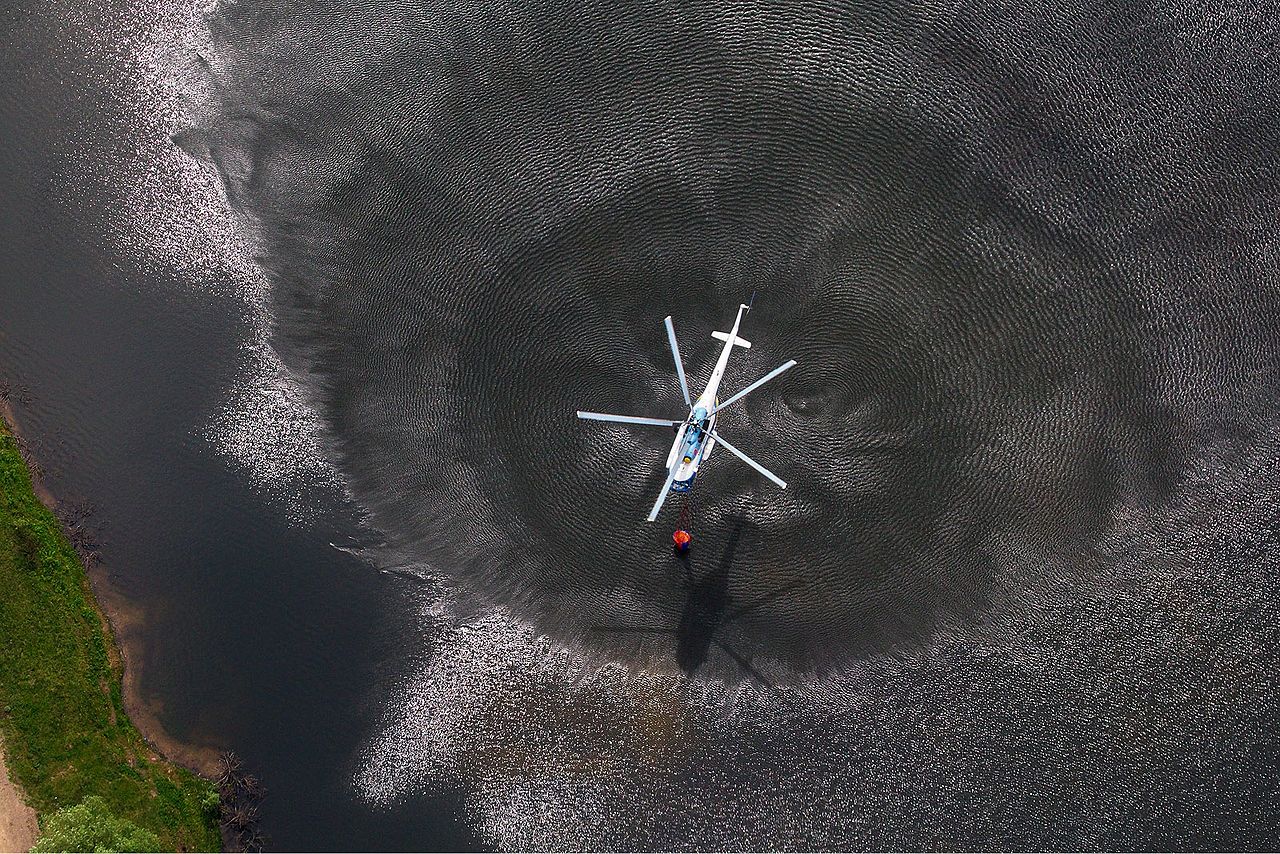
- Special missions: search and rescue, medical evacuation, firefighting, airborne command and control, and maritime patrol.
Operational history and distribution
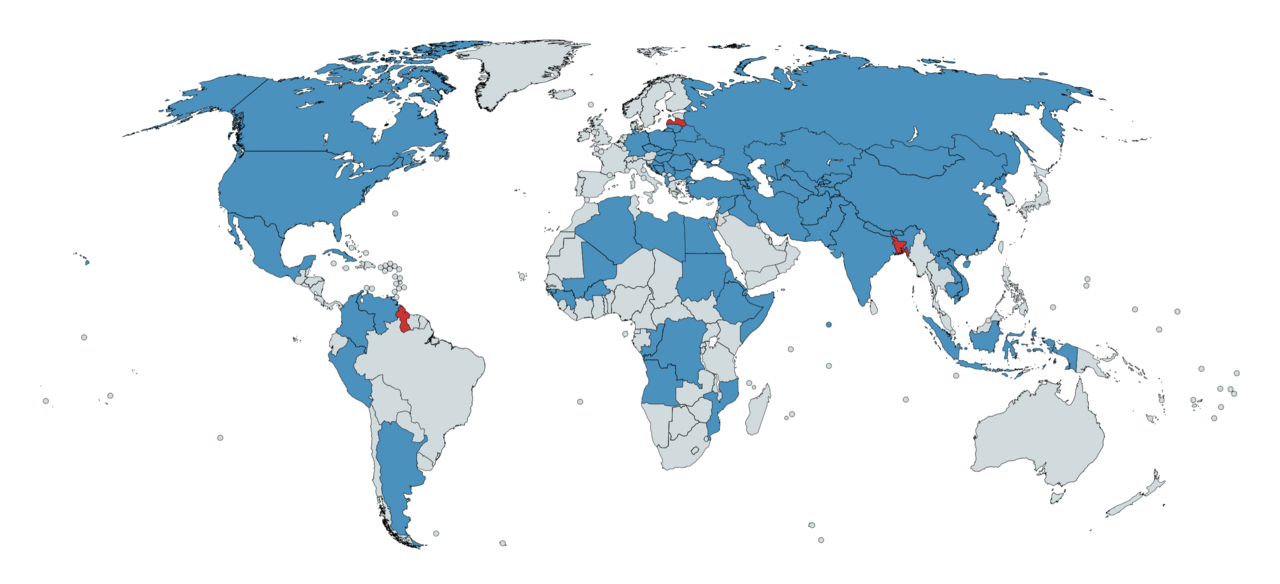
The Mi-8 has been exported and produced under licence in several countries, serving in military, paramilitary and civil aviation fleets around the world. It has been operated by more than fifty countries and continues to appear in both front-line and support roles, reflecting a long service life maintained by periodic upgrades rather than wholesale replacement (international operators, global service).
Legacy and influence
Regarded as one of the most versatile and widely produced helicopters of its generation, the Mi-8's influence extends through its numerous conversions and descendant types. Its straightforward engineering, adaptability to local modification and broad logistical footprint have kept it relevant for humanitarian relief, transport and combat support missions in many regions. For historical context and manufacturer information see design summaries from the original design bureau and Cold War era sources (design bureau, Cold War).
Further notes
Today the Mi-8 family remains a common sight where rugged, multi-role rotorcraft are needed. Maintenance practices, aftermarket upgrades and local modifications vary by operator, which has produced a wide diversity of individual examples in service. Research into specific subtypes, engine fits and avionics packages is recommended for technical comparisons.
Related articles
Author
AlegsaOnline.com Mil Mi-8 (NATO: 'Hip') — Soviet medium transport helicopter Leandro Alegsa
URL: https://en.alegsaonline.com/art/64908