
Asclepias physocarpa — swan plant (balloon milkweed)
A milkweed species noted for its inflated, papery seed pods, ornamental use, and value to butterflies; native to parts of Africa and widely naturalized in warm regions including Hawai‘i.
Asclepias physocarpa, commonly called the swan plant, balloonplant or balloon cotton-bush, is a species of milkweed valued for its distinctive inflated seed pods and its role in butterfly plantings. The plant is often listed under closely related names in botanical literature; consult taxonomic databases for current nomenclature and synonyms: taxonomic resources.
Image gallery
3 Images

Description and distinguishing features
This herbaceous species typically grows as an erect perennial in warm climates and is often treated as an annual where frost occurs. Stems are leafy and the leaves are opposite, broadly lanceolate to oblong. Flowers are produced in small, umbrella-like clusters; individual flowers are relatively small and pale compared with some other milkweeds. The most conspicuous feature is the large, inflated, bladder-like seed pod (follicle) that is spherical to ovoid and papery when mature. Each pod contains numerous flat seeds attached to a tuft of silky hairs (coma) that aid wind dispersal when the pod splits open.
Taxonomy and native range
The species belongs to the milkweed subfamily Asclepiadoideae. Some sources place it in the genus Gomphocarpus, so it may appear under an alternate combination; check specialist references for regional usage: plant family resources. It is native to parts of Africa and has become naturalized in tropical and subtropical regions worldwide, including Hawai‘i and other island and coastal areas where the climate suits its growth.
Ecology and interactions
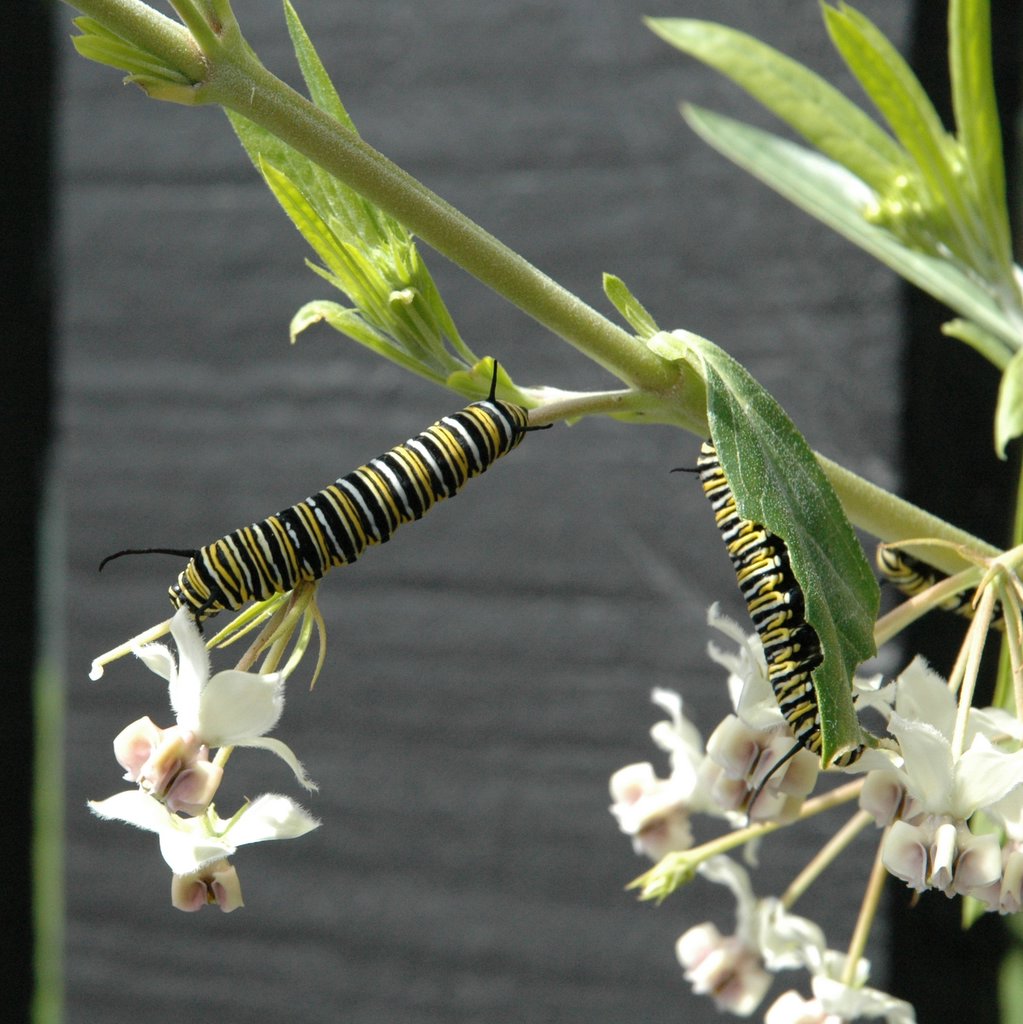
Like other milkweeds, this plant contains a milky latex with cardiac glycosides and other compounds that discourage many herbivores. Certain butterfly larvae, notably species of the family Nymphalidae, feed on milkweeds and sequester these compounds, which reduces predation on the caterpillars and adults. Because of this ecological relationship, swan plant is used in butterfly gardens and educational plantings; for practical guidance see conservation and butterfly gardening sources: butterfly and conservation guides.
Cultivation, uses and cautions
- Garden use: grown as an ornamental for its unusual pods and to attract pollinators and butterflies; pods may be used in dried floral arrangements.
- Growing conditions: prefers full sun to partial shade, well-drained soil and warm temperatures; top growth can be damaged by frost.
- Propagation: readily raised from seed; plants may self-seed freely where conditions permit and can naturalize beyond cultivation.
- Risks and management: foliage and latex are toxic if ingested by livestock, pets or humans; handle with care and follow local guidance where the species has naturalized. Because it can spread outside gardens, growers should follow regional invasive species recommendations and balance its value for butterflies with ecosystem considerations.
For authoritative identification, distribution maps and conservation status consult specialist floras and regional plant databases: taxonomic resources, plant family resources, and butterfly and conservation guides.
Tags
Related articles
Author
AlegsaOnline.com Asclepias physocarpa — swan plant (balloon milkweed) Leandro Alegsa
URL: https://en.alegsaonline.com/art/6490