
Mikkeli — City in Southern Savonia, Finland
Mikkeli is a Finnish city in Southern Savonia, known for its lakeside setting, regional services, wartime history and municipal mergers. Population ~54,700 (2014); established 1838.
Overview
Mikkeli is a city in eastern Finland, located in the region of Southern Savonia and the country of Finland. It functions as an administrative, cultural and service centre for the surrounding rural area and smaller towns. Official Finnish classifications treat Mikkeli as a city rather than a small town. In January 2014 the population was reported at about 54,700 inhabitants. The municipality maintains an online presence and information portals about local governance and services at its municipal pages: Mikkeli.
Image gallery
10 Images

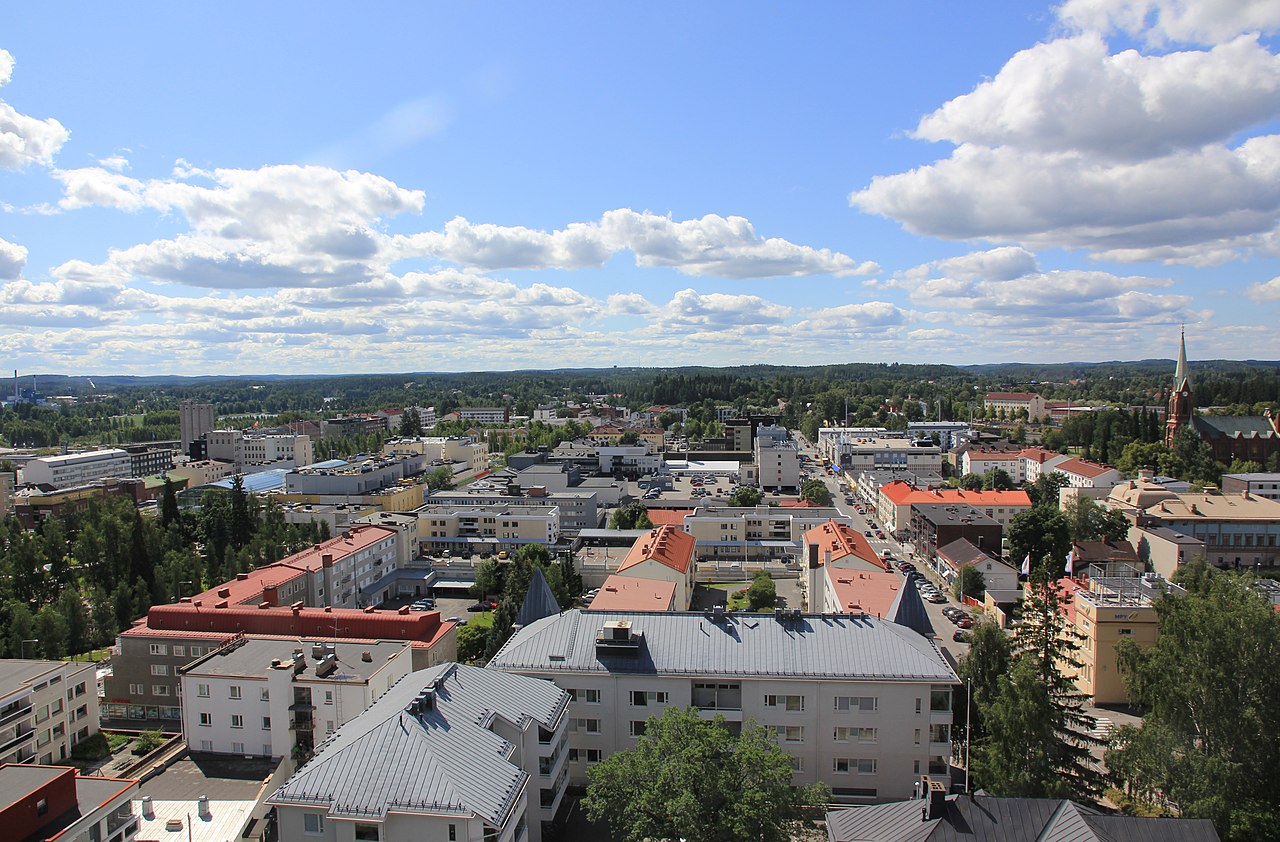


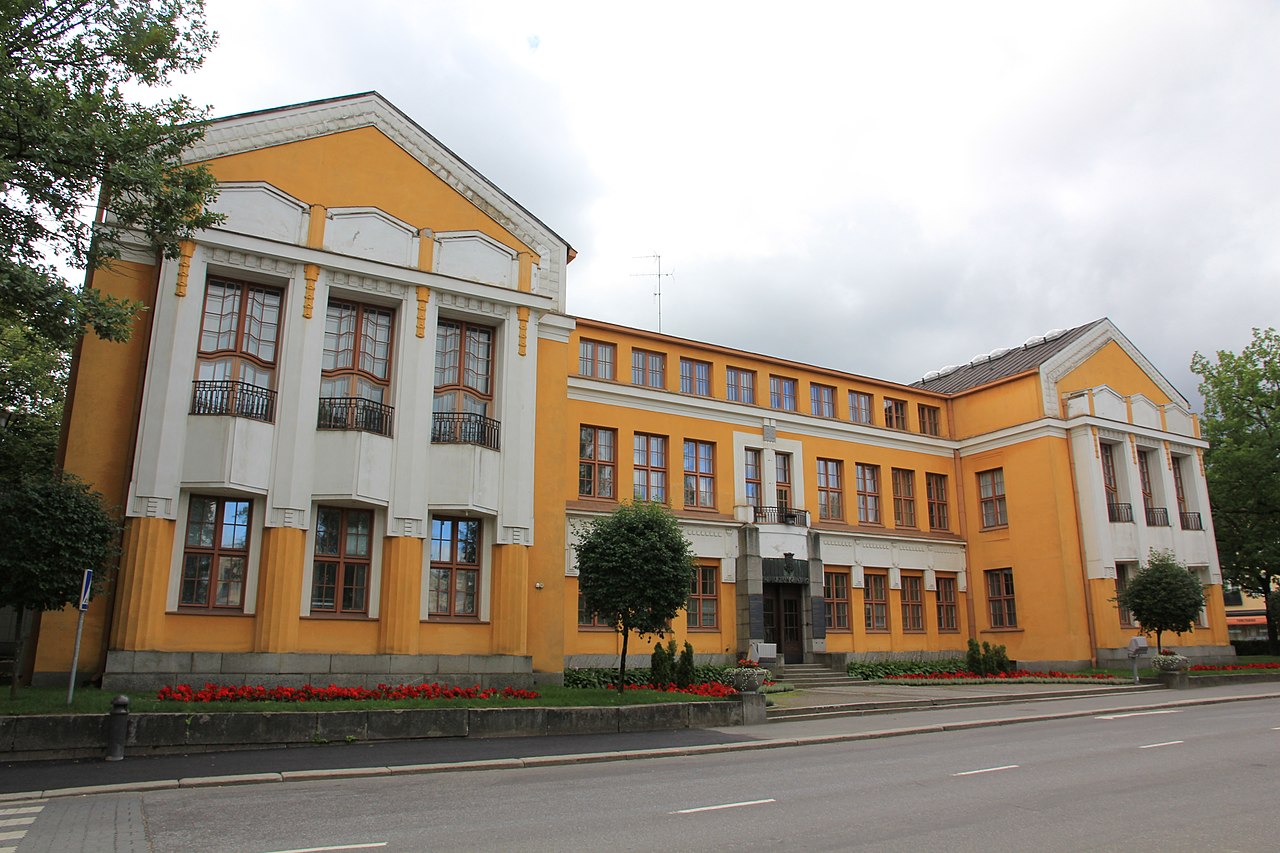


Geography and neighbouring municipalities
Mikkeli sits amid the lake-dotted landscape characteristic of Southern Savonia, with forests, waterways and islands shaping local recreation and economy. The area's extensive shoreline is part of the larger lake district that attracts summer visitors and supports boating, fishing and cottage culture. Surrounding municipalities include:
- Hirvensalmi
- Juva
- Kangasniemi
- Mäntyharju
- Pieksämäki
- Puumala (nearby)
- Savitaipale
History and administrative changes
Mikkeli was founded in 1838 and grew as a market town and regional centre. In the modern era, its municipal boundaries have changed through consolidation: the municipality of Haukivuori joined Mikkeli in 2007, and Ristiina together with Suomenniemi were merged into Mikkeli in 2013. These changes reflect a wider trend in Finland toward combining smaller municipalities into larger administrative units to maintain services and local governance.
Economy, culture and public life
The local economy is mixed: public administration, education, health services and retail form a significant share of employment, supplemented by tourism, small industry and rural enterprises. Mikkeli also hosts cultural events, museums and venues that highlight regional traditions and history. The lakes and forests shape leisure activities, with popular pastimes including boating, hiking and seasonal festivals tied to Finnish countryside life.
Notable facts and transport
Mikkeli is known for aspects of 20th-century history that are preserved in local museums and buildings. It is connected to other parts of Finland by road and rail, offering links for commuters and visitors to larger urban centres and to the wider lake region. The city balances its role as a regional hub with a setting that emphasizes nature and outdoor recreation, making it a representative municipality of inland Finland.
Related articles
Author
AlegsaOnline.com Mikkeli — City in Southern Savonia, Finland Leandro Alegsa
URL: https://en.alegsaonline.com/art/64884