
Pieksämäki — town in Southern Savonia, Finland
Pieksämäki is a city in Southern Savonia, Finland, known for its railway junction, lakeside surroundings and role as a regional service centre. Founded 1930; merged with Pieksänmaa in 2007.
Pieksämäki is a town in the region of Southern Savonia in Finland. It is administratively classed as a city in Finnish terms and serves as a local centre for services, transport and small industry. Population figures have varied; a commonly cited figure from the 2010s was about 19,000 inhabitants, though official counts change over time.
Image gallery
3 Images

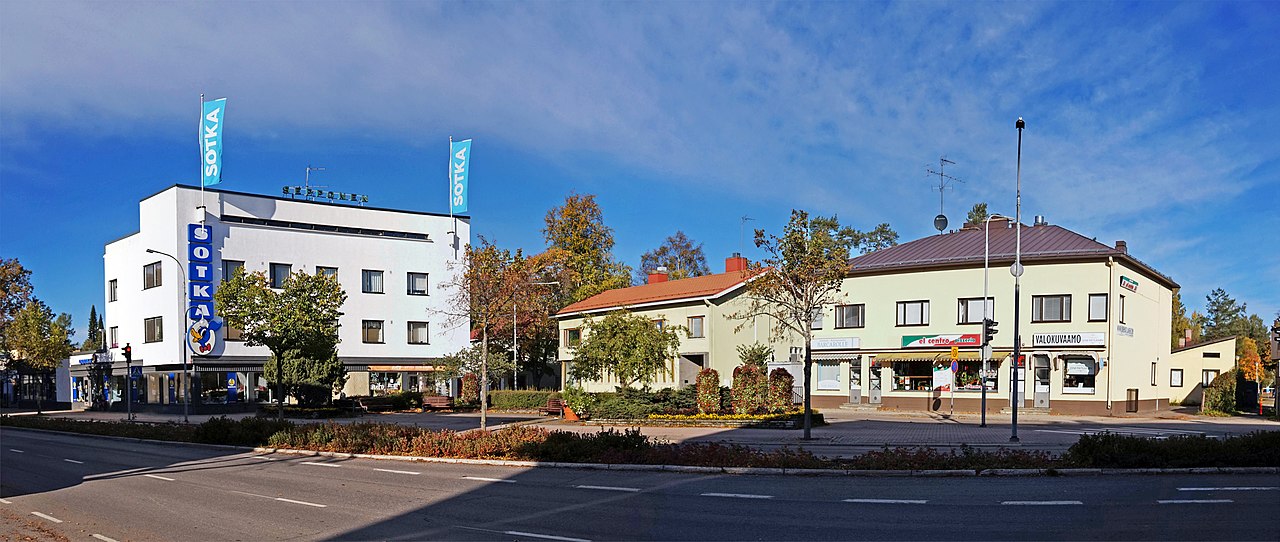
Location and neighbours
Pieksämäki lies in the heart of the Finnish Lakeland and is surrounded by both forest and numerous lakes. Its neighbouring municipalities include:
History and development
The modern municipality of Pieksämäki was established in 1930 and gained city status in 1962. In 2007 the neighbouring municipality of Pieksänmaa was consolidated with Pieksämäki, expanding the administrative borders and local services. The town developed around transport links and trade between lake settlements, evolving into a regional hub during the 20th century.
Transport and economy
Pieksämäki is best known for its role as an important railway junction connecting north–south and east–west routes; this has influenced local commerce and commuting patterns. The economy is a mix of public services, retail, small-scale manufacturing and activities connected to forestry and tourism. Seasonal leisure services tied to lakes and outdoor recreation also contribute to the local economy.
Culture, language and attractions
The majority of residents speak Finnish. Local cultural life includes community events, regional festivals and small museums or galleries that reflect rural Savonian traditions. Visitors often come to enjoy boating, fishing and lakeside recreation; the surrounding landscape is typical of the Finnish Lakeland with mixed forest, waterways and islands.
Notable facts
Pieksämäki functions as a service node for surrounding rural areas and is recognized for its transport connections rather than large-scale industry. Its administrative history — founding in 1930, city status in 1962 and the 2007 merger with Pieksänmaa — marks the main milestones in its municipal evolution.
Related articles
Author
AlegsaOnline.com Pieksämäki — town in Southern Savonia, Finland Leandro Alegsa
URL: https://en.alegsaonline.com/art/76770