
Mike Havenaar — Japanese footballer and international striker
Mike Havenaar (born May 20, 1987) is a Japanese professional footballer known as a tall target striker. He played domestically and in Europe and has represented the Japan national team. Son of Dido Havenaar.
Mike Havenaar (born May 20, 1987) is a Japanese professional football player best known for his role as a central striker. Of mixed Dutch and Japanese heritage, Havenaar spent his career playing in Japan's professional leagues and had spells with clubs in Europe. He also earned caps with the Japan national team, where he was valued as an aerial and physical option in attack.
Image gallery
3 Images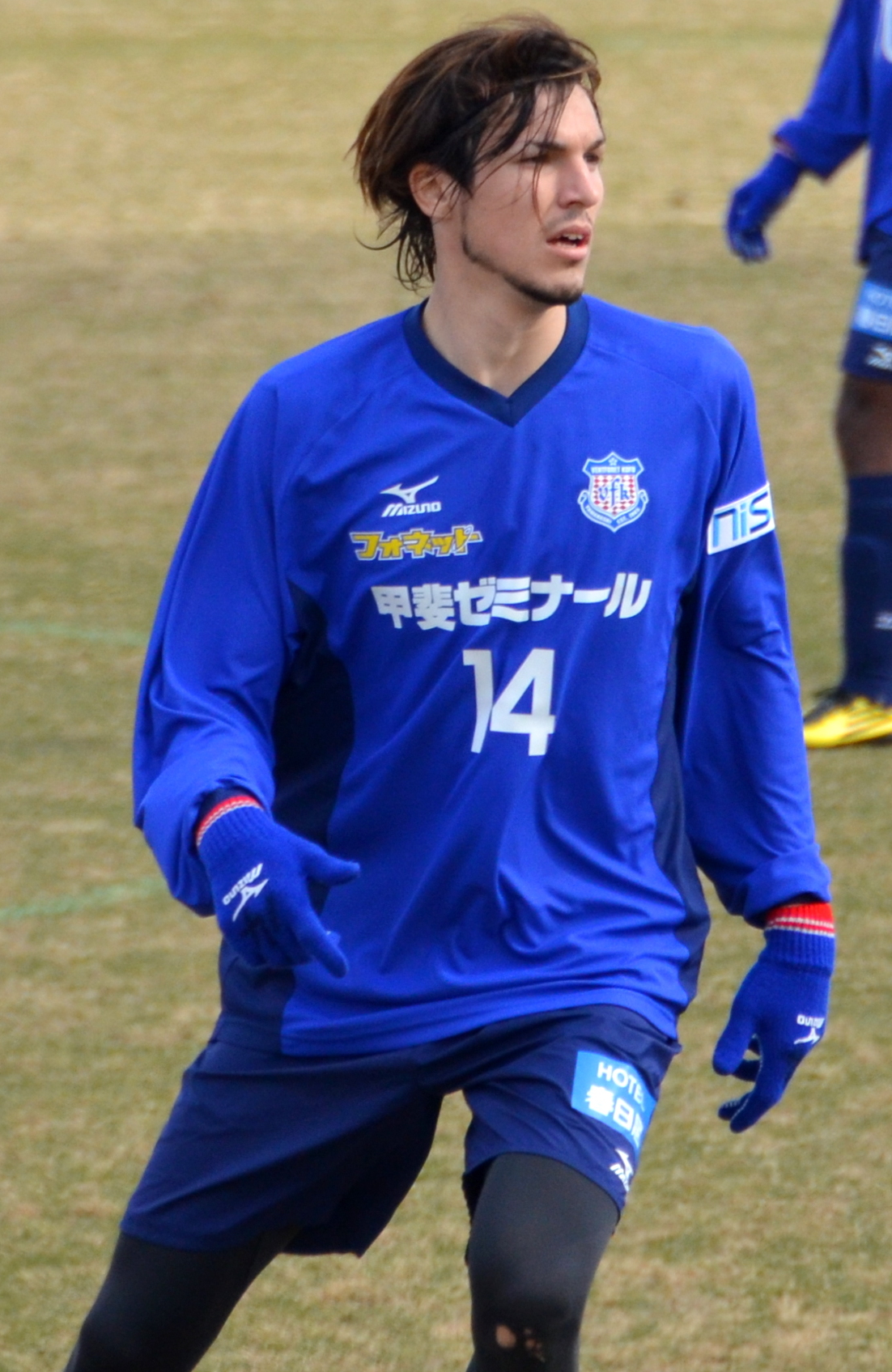


Early life and background
Born to a Dutch father, former professional goalkeeper Dido Havenaar, Mike grew up in a bilingual, bicultural household that combined European and Japanese football influences. His upbringing in a footballing family shaped his pathway into the sport; his brother Nikki Havenaar has also pursued a professional career. The cross-cultural background made him part of a growing group of mixed-heritage players in Japan.
Career overview
Havenaar progressed through youth systems before breaking into senior professional football. Over his career he represented several clubs in the J.League and spent time with teams abroad, gaining experience in different tactical environments. While he moved between clubs, he remained recognizable as a forward who could be deployed as a focal point for attacks, particularly in systems that used a target man.
Playing style and characteristics
- Physical presence: Tall and strong, effective at holding up the ball and shielding it from defenders.
- Aerial ability: A threat on crosses and set pieces, contributing with headers in both offensive and defensive situations.
- Finishing and positioning: Good at finding space in the box and converting chances created by teammates.
- Role adaptability: Able to play as a lone striker or alongside another forward, useful in direct and counterattacking play.
International career and legacy
Havenaar earned selections for the Japan senior side and appeared in international fixtures, offering coaches a physical alternative to smaller, quicker forwards. Beyond statistics, his career is notable for illustrating the impact of mixed-heritage players in Japanese football and for continuing a family tradition in the professional game. His trajectory—domestic success, overseas experience, and national-team recognition—reflects a common pathway for modern players seeking to combine development at home with challenges abroad.
For further details about specific seasons, clubs and match records, consult dedicated football records and databases that track player appearances and goals.
Related articles
Author
AlegsaOnline.com Mike Havenaar — Japanese footballer and international striker Leandro Alegsa
URL: https://en.alegsaonline.com/art/64834
Sources
- japannationalfootballteam.com : Japan National Football Team Database
- national-football-teams.com : National Football Teams