
Michael Shea (1946–2014): American writer of fantasy, horror and science fiction
Overview of Michael Shea, his career in dark fantasy and science fiction, notable works including Nifft the Lean and Growlimb, stylistic traits, biography and legacy.
Michael Shea (1946–2014) was an American writer best known for fiction that mixes dark atmosphere, imaginative monsters and a strong sense of the uncanny. His work moved comfortably among fantasy, horror and science fiction, often combining elements of all three to produce stories that are both strange and wry.
Image gallery
1 Image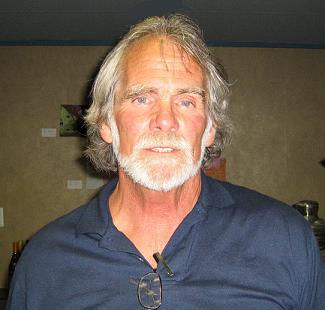
Style and themes
Shea's fiction is frequently noted for its ornate yet energetic prose, sardonic humor and vivid depictions of nonhuman landscapes and creatures. Recurring themes include reluctant or compromised heroes, bargains with otherworldly forces, and collisions between practical, sometimes criminal, protagonists and supernatural horrors. Critics and readers have praised his ability to turn grotesque imagery into scenes that are both unsettling and darkly entertaining.
Major works and recognition
Among Shea's best-known works is the novel Nifft the Lean, a picaresque tale that follows a clever thief through bizarre underworld adventures. He also received attention for shorter fiction such as the novella Growlimb. For both of these works Shea won World Fantasy Awards, an acknowledgment of his contribution to modern fantasy and weird fiction.
Career and life
Born in Culver City, California, Shea published across several decades and appeared in magazines and anthologies that collect speculative and weird tales. He worked in a tradition influenced by earlier weird fiction writers while maintaining a distinct voice marked by playful cruelty and imaginative invention. His books and stories remain of interest to readers who enjoy dark, baroque fantasy and inventive horror.
Legacy and passing
Michael Shea died unexpectedly on February 16, 2014; he was 67. He was survived by his wife and two children. Obituaries and retrospective essays following his death highlighted the singularity of his imagination and the impact of titles like Nifft the Lean and Growlimb on later writers of weird and dark fantasy. For further biographical details and tributes see a contemporary obituary and other collected sources.
Further reading and resources
- Collections of Shea's short fiction and reprints of key novels provide the best introduction to his work; bibliographies and author profiles can offer publication history and context (author profile).
- Critical essays consider his place within 20th-century weird fiction and the crossover between genre categories (fantasy studies, science fiction studies).
Related articles
Author
AlegsaOnline.com Michael Shea (1946–2014): American writer of fantasy, horror and science fiction Leandro Alegsa
URL: https://en.alegsaonline.com/art/64498
Sources
- locusmag.com : "Michael Shea (1946-2014)"