
Metal Gear Solid (1998 video game)
Metal Gear Solid is a 1998 stealth action-adventure game by Hideo Kojima for the PlayStation that popularized cinematic storytelling and refined stealth gameplay in mainstream console gaming.
Metal Gear Solid is a 1998 action-adventure stealth video game developed by Konami and directed by Hideo Kojima. Built for the original PlayStation, it is commonly cited as the third canonical installment in the long-running Metal Gear franchise. The game brought the series' intricate plot and tactical espionage concepts to a mainstream console audience with extensive voice acting, stand-out boss encounters, and a focus on stealth over direct confrontation.
Image gallery
6 Images



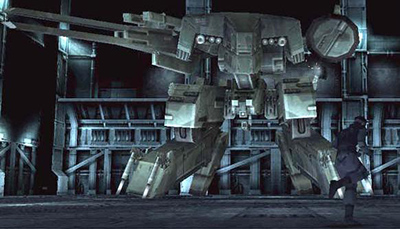
Gameplay and notable features
The player controls Solid Snake, a special-operations soldier sent to infiltrate an armed nuclear disposal facility and neutralize a terrorist threat. Gameplay emphasizes avoiding detection, using the environment for cover, and employing non-lethal and lethal tools. Key elements include stealth movement, limited resources, environmental puzzles, and scripted set pieces that blend action with narrative exposition.
Typical gameplay features:
- Stealth-based objectives and enemy alert patterns
- Inventory management and gadget use
- Interrogation and codec conversations that reveal story and tactics
- Memorable boss fights that mix strategy and character-driven motives
Story, characters and presentation
Metal Gear Solid expanded the franchise’s themes—political intrigue, the ethics of warfare, and identity—through long cinematic sequences and fully voiced dialogue, which were ambitious for the era. The game introduced several iconic characters, including Solid Snake, Liquid Snake, Revolver Ocelot, and Otacon, and blended espionage thriller tropes with science-fiction elements. The script and presentation were major reasons the title stood out among contemporaries.
Development, release and impact
Directed by Hideo Kojima, the production combined cinematic direction with game design innovations to advance narrative delivery in interactive media. Originally released for PlayStation in 1998, it reached a wide audience and influenced later designers by showing how a strong narrative could coexist with engaging gameplay. Metal Gear Solid helped popularize stealth as a viable subgenre on consoles and inspired numerous sequels and spin-offs.
Legacy and distinctions
Beyond its commercial success, Metal Gear Solid is often remembered for its storytelling ambition, memorable antagonists, and inventive use of the medium to involve players in plot twists and moral questions. It established mechanics and set-piece design that would be refined across the franchise. For further reading and resources, see the series overview here and material on the individual game and its production here.
As a milestone in late‑1990s console gaming, Metal Gear Solid remains a frequently cited example when discussing the evolution of narrative, character, and stealth mechanics in video games.
Related articles
Author
AlegsaOnline.com Metal Gear Solid (1998 video game) Leandro Alegsa
URL: https://en.alegsaonline.com/art/64153