
Merv Griffin
American entertainer, talk-show host and television producer best known for creating Jeopardy! and Wheel of Fortune and for hosting The Merv Griffin Show.
Merv Griffin (Mervyn Edward Griffin, Jr.; July 6, 1925 – August 12, 2007) was an American entertainer, television host and media entrepreneur. Over a career that spanned more than six decades he became widely known for hosting a long-running talk show, producing popular game shows and composing memorable television music.
Image gallery
7 Images


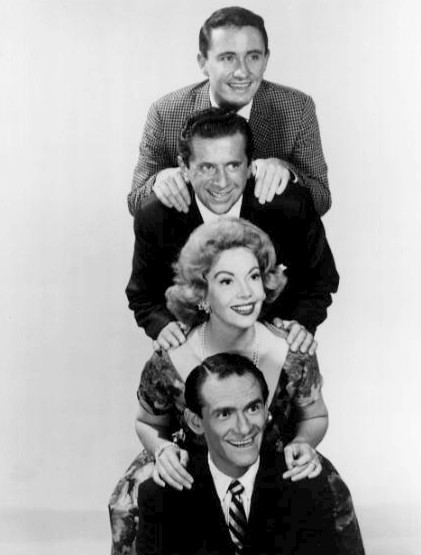
Early life and rise in entertainment
Griffin was born in San Mateo, California, into an Irish–American family. He began performing professionally in the 1940s, first as a singer and pianist and later as a radio and television personality. By the 1950s he had established himself as an on‑air host with an easygoing interview style that appealed to a broad audience.
Television programs and production
Griffin is best known as the creator and producer of two enduring game shows: Jeopardy! and Wheel of Fortune. These programs became television mainstays and were produced by his company, Merv Griffin Enterprises. Beyond those titles, Griffin developed and produced several other game and variety programs that demonstrated his understanding of television formats and audience appeal.
Talk show, music and creative work
He hosted The Merv Griffin Show, a syndicated talk show that for many years attracted entertainers, politicians and cultural figures. Griffin also composed the iconic tune that serves as the theme for Jeopardy!, often referred to simply as the show's "Think!" music. His combined roles as host, interviewer, composer and producer made him a distinctive figure in mid‑to‑late 20th‑century American television.
Personal life, business and later years
Griffin was married to Julann Wright from 1958 until their divorce in 1976; they had one son, Tony Griffin. In addition to television, he invested in hotels and real estate and continued to run his production company. He remained active in the entertainment industry from the 1940s until his death.
Death and legacy
Griffin died in Los Angeles at age 82 on August 12, 2007, following complications related to prostate cancer. His creations, particularly Jeopardy! and Wheel of Fortune, continue to be widely viewed and his work influenced the modern game‑show and talk‑show formats. For further reading and archival materials, see production histories and retrospective interviews hosted by broadcast archives and television history sources.
- Notable shows: Jeopardy!, Wheel of Fortune, The Merv Griffin Show
- Birthplace: San Mateo, California
- Heritage: Irish‑American
Related articles
Author
AlegsaOnline.com Merv Griffin Leandro Alegsa
URL: https://en.alegsaonline.com/art/64038
Sources
- imdb.com : Merv Griffin
- opinionjournal.com : He Had a Lovely Bunch of Coconuts
- youtube.com : Merv Griffin tribute from ABC
- findagrave.com : Merv Griffin