
Meridian, Mississippi — regional hub and historic railroad city
Meridian, the county seat of Lauderdale County in eastern Mississippi, is a regional service center with a rich railroad history, notable cultural landmarks, and a population around 40,000.
Overview
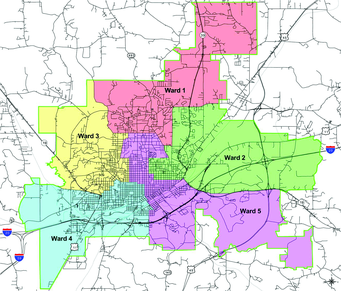
Meridian is the county seat of Lauderdale County and the largest city in that county, located in the eastern portion of the United States state of Mississippi. It functions as the principal city of the local micropolitan area and serves as a commercial, medical and educational center for a broad rural region. The city has hovered near 40,000 residents in recent decades; municipal annexation and population movements after Hurricane Katrina contributed to local changes in the early 21st century.
Image gallery
10 Images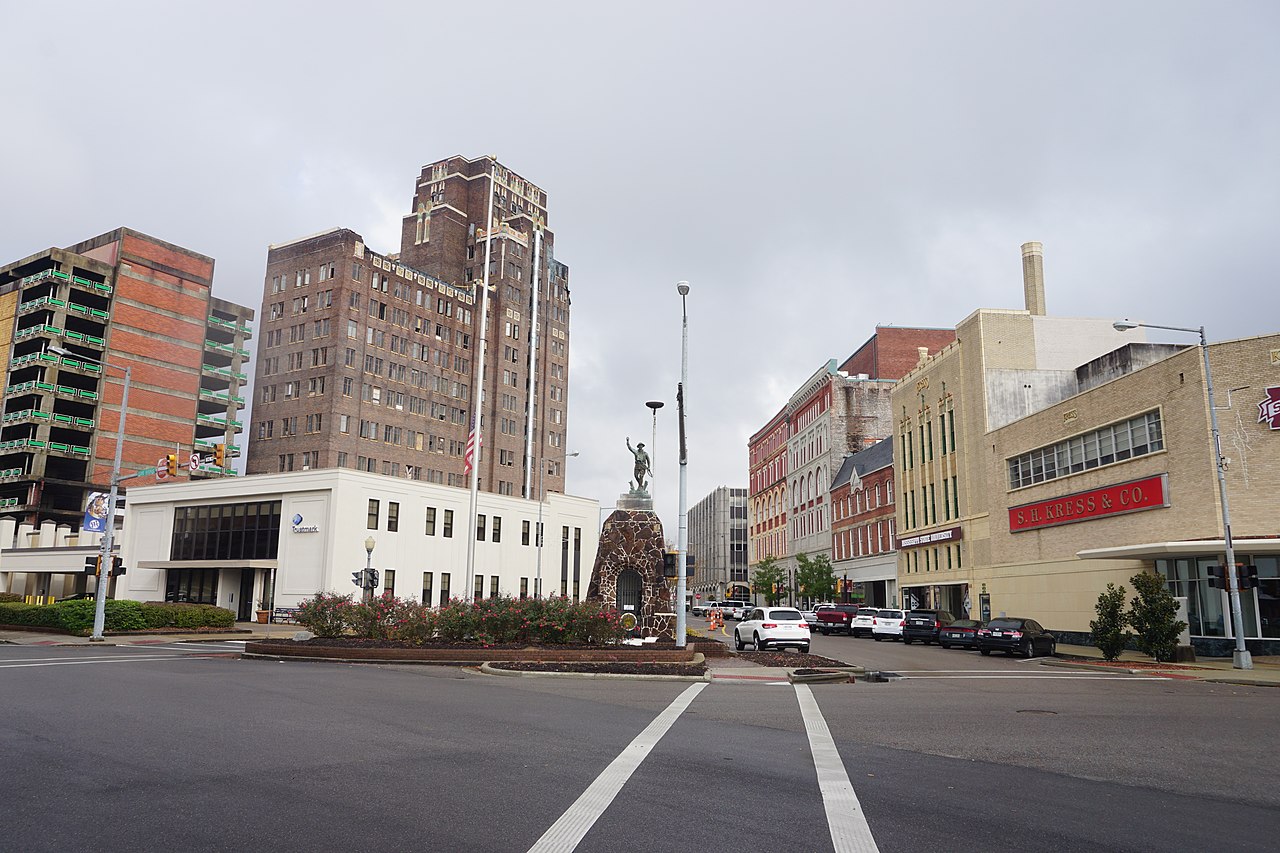





Geography and character
Meridian sits at a crossroads of regional highways and rail lines, a position that shaped its development. The city's setting in eastern Mississippi gives it the humid, warm-climate characteristics common to the Gulf Coast and Deep South. Neighborhoods range from a historic downtown core with early 20th-century commercial buildings to residential districts with tree-lined streets and small parks. Meridian functions as a hub for surrounding counties, where residents come for specialized services, shopping, and cultural events.
History and development
Founded in the 19th century, Meridian grew rapidly as a railroad junction and maintenance center, drawing workers, commerce and related industries. Its strategic rail connections made it a military and logistical target during the American Civil War, and the city was heavily affected during Union operations in the region. After the war, Meridian rebuilt and expanded its transportation and industrial base, entering the 20th century as an important rail center. Like many inland Southern cities, Meridian experienced economic shifts in the later 20th century and has pursued revitalization efforts to preserve historic architecture while attracting new investment.
Economy, transport and institutions
The local economy is diversified across transportation, healthcare, education, manufacturing and retail. Rail lines still pass through the city and an intercity passenger stop continues to provide regional connections. Meridian hosts community colleges and training institutions that serve students from a wide area, and medical facilities drawn from a multi-county service region provide employment and specialist care. Regional airports, highways and freight routes reinforce the city's role as a logistics and services center for eastern Mississippi.
Culture, landmarks and notable features
Meridian preserves several cultural landmarks and institutions that highlight its past and present. These include performing arts venues, museums celebrating local musical heritage, and distinctive commercial buildings from the early 20th century. A number of historic sites and downtown blocks have been the subject of preservation and adaptive reuse projects.
- Historic architecture — early skyscrapers and commercial blocks in downtown reflect the city’s prosperity during the railroad era.
- Music heritage — Meridian is associated with influential figures in American music and maintains museums and displays that interpret that legacy.
- Civic and cultural venues — restored theaters, galleries and public spaces host concerts, festivals and community events that draw attendees from the surrounding region.
Regional context and distinctions
Within the state, Meridian is one of the larger municipalities but is smaller than metropolitan centers such as Jackson, Gulfport, Southaven, Hattiesburg, Biloxi and Tupelo. Its identity is tied less to tourism than to serving as a practical regional center—providing education, specialized medical care, shopping and transport links for communities across several counties including Lauderdale County.
Today Meridian balances historic preservation with economic development initiatives aimed at sustaining its role as an eastern Mississippi hub. The city’s mix of cultural institutions, transportation assets and community services continues to make it a focal point for the surrounding rural and suburban areas of the state of Mississippi.
Related articles
Author
AlegsaOnline.com Meridian, Mississippi — regional hub and historic railroad city Leandro Alegsa
URL: https://en.alegsaonline.com/art/63977