
Mercyful Fate (Danish heavy metal band)
Danish heavy metal band formed in Copenhagen in the early 1980s, noted for King Diamond's falsetto vocals, occult imagery, distinctive guitar work and enduring influence on extreme metal.
Overview
Mercyful Fate are a Danish heavy metal band formed in Copenhagen in the early 1980s. The group became known for the theatrical falsetto vocals and stage persona of lead singer King Diamond, twin-guitar arrangements and lyrical themes drawn from occult, horror and esoteric sources. Their early records helped establish a mood and aesthetic that informed several streams of extreme metal.
Image gallery
4 Images
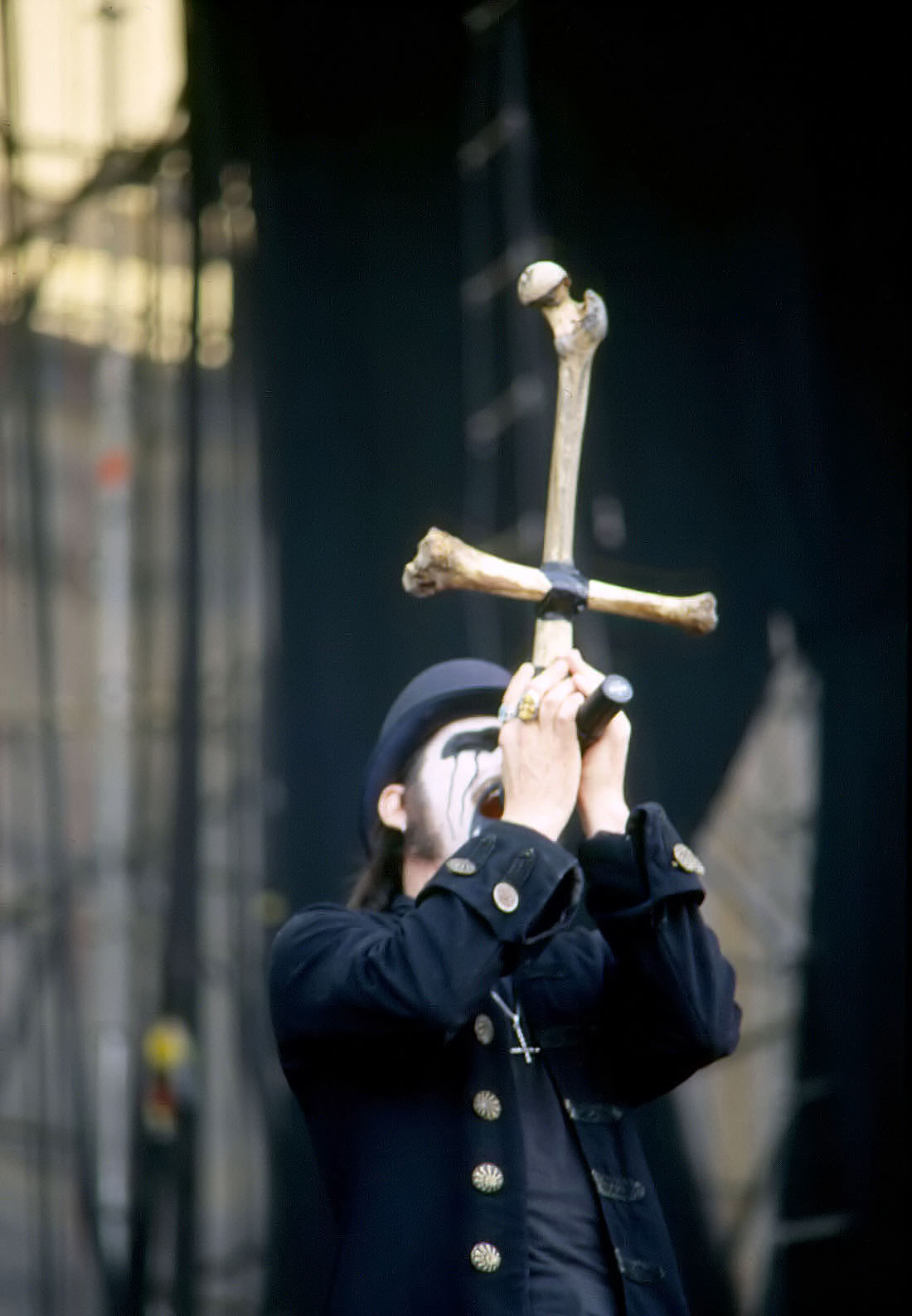


Musical characteristics and image
The band's sound blends traditional heavy metal with complex guitar harmonies, frequent tempo changes and a strong emphasis on atmosphere. Vocal delivery frequently uses high-register, theatrical techniques that contrast with heavy riffing. Visually, Mercyful Fate employed face paint, occult symbols and dramatic stagecraft; this imagery drew attention and controversy while becoming a defining part of their identity. For context on the broader scene, see a general scene overview and material on Denmark as a musical environment.
History and development
The band grew out of earlier local projects in Copenhagen and established a dedicated following with their first releases. Early albums such as Melissa and Don't Break the Oath are widely regarded as formative, combining technical guitar work with occult-tinged songwriting. The group split in the mid-1980s when the singer pursued a solo career, then reunited in the 1990s for new recordings and tours that expanded their recorded legacy. For a basic chronology of the period, consult a relevant timeline and accounts of the band's origin in Copenhagen.
Members and contributions
Throughout their history the band featured a core of experienced players whose guitar interplay and songwriting shaped the sound. The combination of a distinctive vocalist with guitarists who favored harmonised leads and darker tonalities gave the band its signature. Lineups changed over time, particularly around reunions and touring periods.
Legacy and influence
Although never primarily a mainstream chart act, Mercyful Fate is widely cited as an influence on later black metal, thrash and other extreme genres. Their early approach to atmosphere, lyrical themes and vocal style provided a reference point for musicians seeking darker, more theatrical directions in metal. Tribute recordings, cover performances and continued discussion among fans underline the band's continuing reputation.
Listening and further reading
- Begin with the early studio albums to hear the core sound that shaped the band's reputation.
- Explore reunion-era recordings for how the group adapted its style in later decades.
- Contemporary interviews and scene histories provide context on the band's place in metal's development.
Related articles
Author
AlegsaOnline.com Mercyful Fate (Danish heavy metal band) Leandro Alegsa
URL: https://en.alegsaonline.com/art/63951
Sources
- allmusic.com : "Melissa review"
- musicmight.com : "Mercyful Fate"