
Menstruation (menstrual period)
Menstruation is the regular shedding of the uterine lining in people with a uterus. Commonly called a period, it is hormonally driven, typically lasts 2–7 days, and varies in timing and symptoms.
Overview
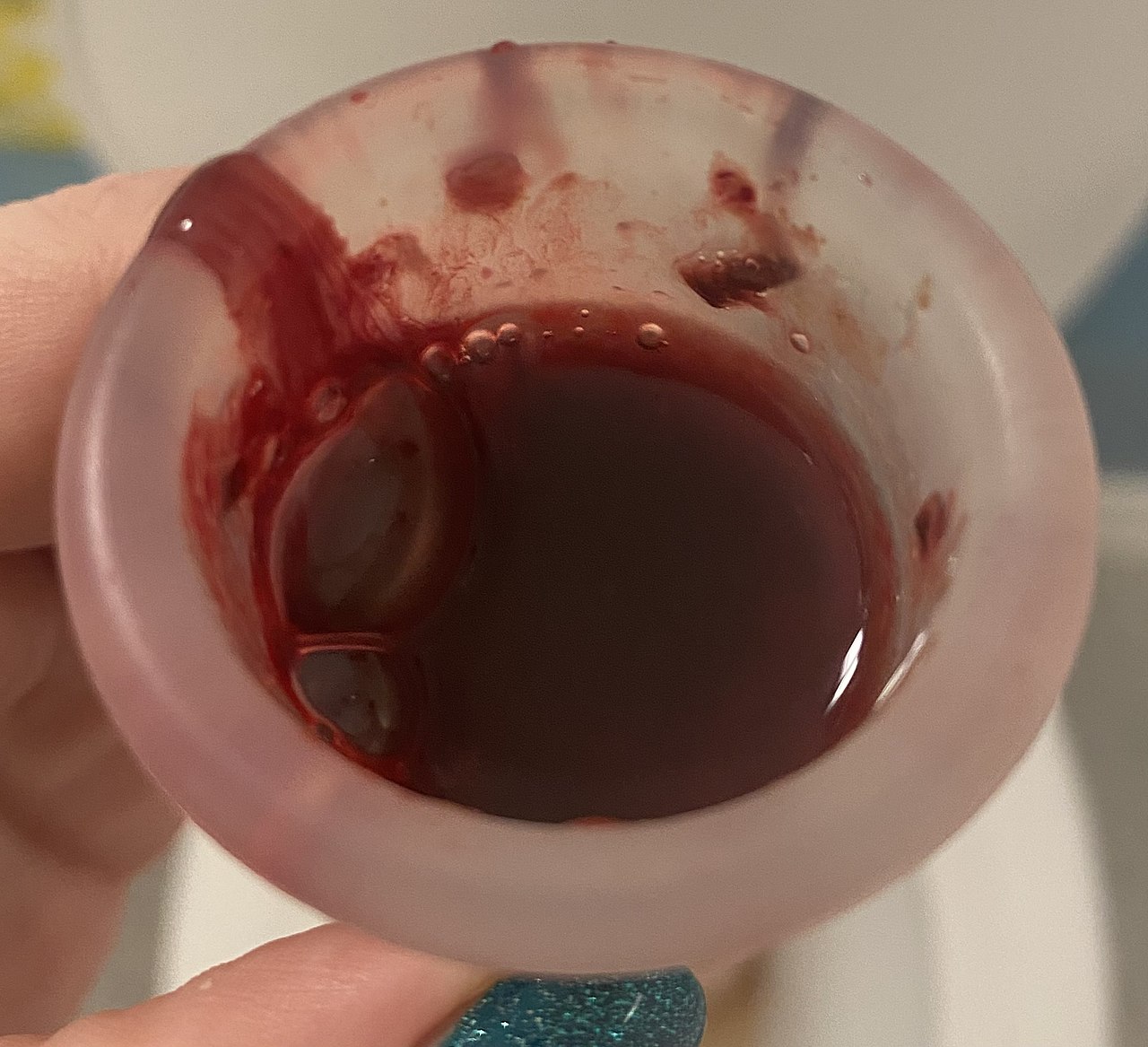
Menstruation, commonly known as a period, is the cyclic shedding of the uterine lining (endometrium) that occurs when a fertilized egg does not implant. It is a normal part of many people's reproductive life and is regulated by changing hormone levels. The fluid released during a period is often called menstrual blood, though it contains tissue and mucus as well as blood.
Image gallery
10 Images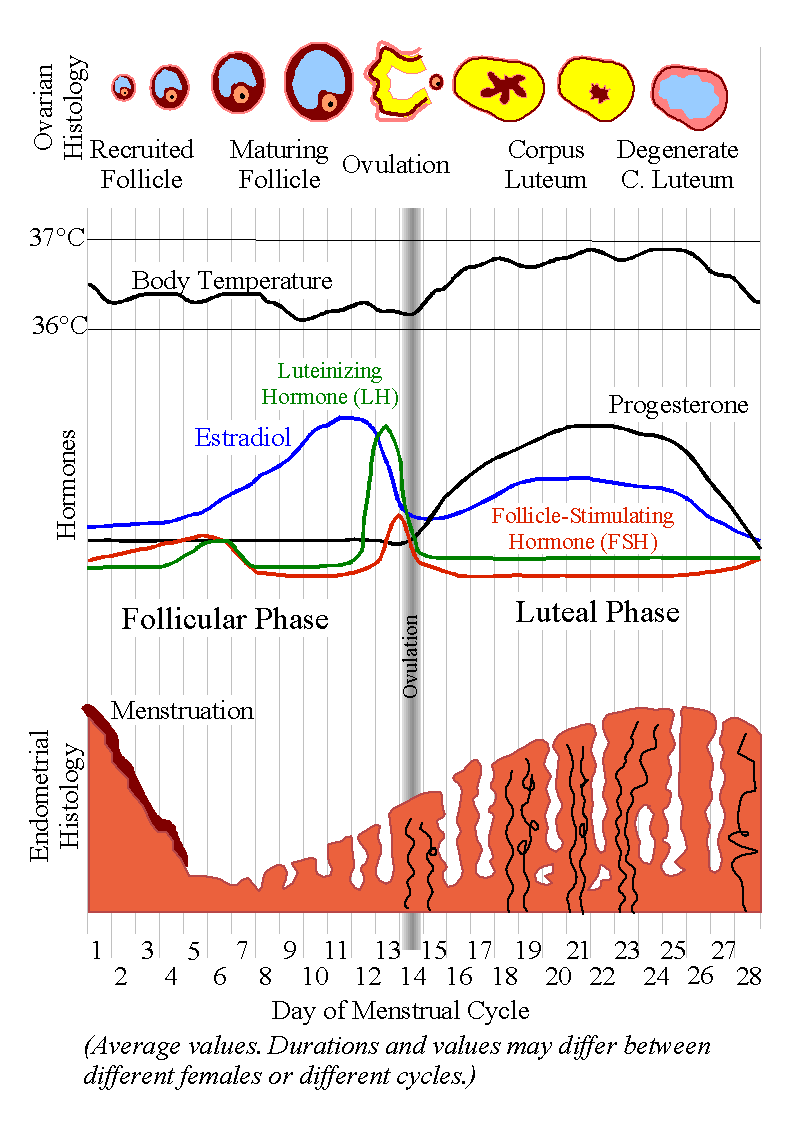




Physiology and cycle
The menstrual cycle is a coordinated sequence involving the brain, ovaries and uterus. Hormones such as follicle-stimulating hormone (FSH), luteinizing hormone (LH), estrogen and progesterone control follicle development, ovulation and preparation of the uterine lining. Cycles vary among individuals but are commonly in the range of about 21–35 days; bleeding itself typically lasts about 2–7 days. For basic diagrams of reproductive structures see reproductive anatomy.
Common features and variations
Typical symptoms include cramping (dysmenorrhea), breast tenderness, bloating, fatigue and mood changes. Some people experience heavier bleeding (menorrhagia) or more severe pain; others have very light bleeding or irregular cycles. Spotting, skipped periods, or postmenopausal bleeding are signs clinicians investigate. Vaginal anatomy is involved in the flow: the blood exits through the vagina.
Management and products
Options for managing menstrual flow range from disposable pads and tampons to reusable cloth pads and menstrual cups. Hormonal contraception can alter bleeding patterns and is used both for birth control and to treat painful or heavy periods. Over-the-counter pain relief, heat, and lifestyle changes help many people manage symptoms.
Health, history and culture
Menstruation has been framed differently across cultures and history—sometimes surrounded by stigma and sometimes treated pragmatically. Medical conditions related to menstruation include endometriosis, polycystic ovary syndrome (PCOS), and premenstrual syndrome (PMS). Increased awareness has led to public health efforts around access to menstrual products and education.
Notable distinctions
- Menstruation vs. pregnancy: bleeding indicates no established pregnancy (except in rare early complications).
- Postpartum bleeding: lochia follows childbirth and is distinct from a typical period.
- When to seek care: very heavy bleeding, severe pain, sudden changes in cycle, or bleeding after menopause warrant medical evaluation.
Author
AlegsaOnline.com Menstruation (menstrual period) Leandro Alegsa
URL: https://en.alegsaonline.com/art/63832
Sources
- doi.org : 10.1111/j.1365-2265.1980.tb02125.x