
Messenger RNA (mRNA) vaccines: principles, development, and uses
mRNA vaccines deliver synthetic messenger RNA to cells to produce viral antigens and trigger immunity. This article outlines how they work, composition, history, applications, and key benefits and limitations.
Overview
Messenger RNA (mRNA) vaccines are a class of immunizations that use lab-made strands of messenger RNA to instruct human cells to produce a harmless piece of a pathogen — typically a protein or protein fragment — that stimulates the immune system. Unlike traditional vaccines that deliver weakened or inactivated pathogens, mRNA vaccines supply genetic instructions so the body temporarily makes the antigen itself.
Image gallery
7 Images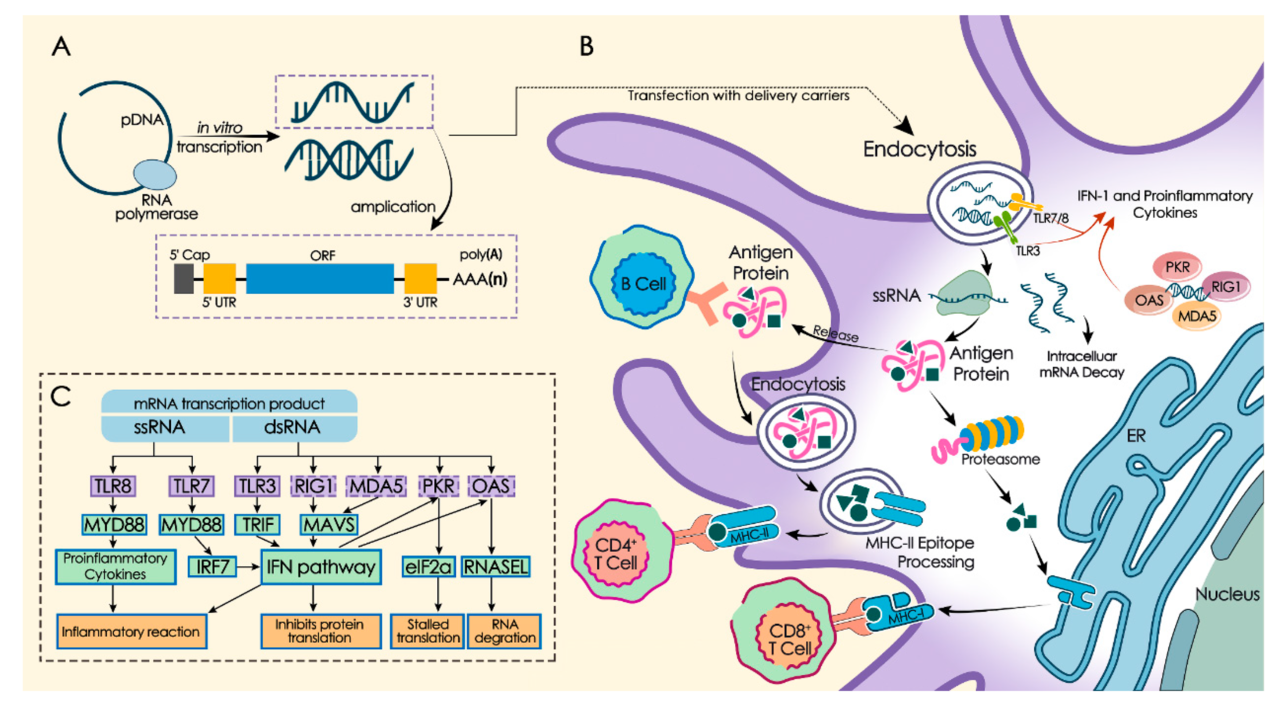


How they work
After injection, lipid-coated mRNA enters host cells and is translated by ribosomes into the encoded protein. The produced protein is displayed on the cell surface or released, where it is recognized by immune cells. This initiates both antibody production by B cells and cellular responses by T cells, establishing immune memory against the real pathogen without causing disease.
Composition and delivery
Key components include the synthetic mRNA sequence (optimized for stability and translation), a 5' cap and poly(A) tail to mimic cellular mRNA, and a delivery vehicle such as lipid nanoparticles (LNPs) that protect the mRNA from degradation and facilitate entry into cells. Formulation, storage, and dosing schedules vary by vaccine.
History and development
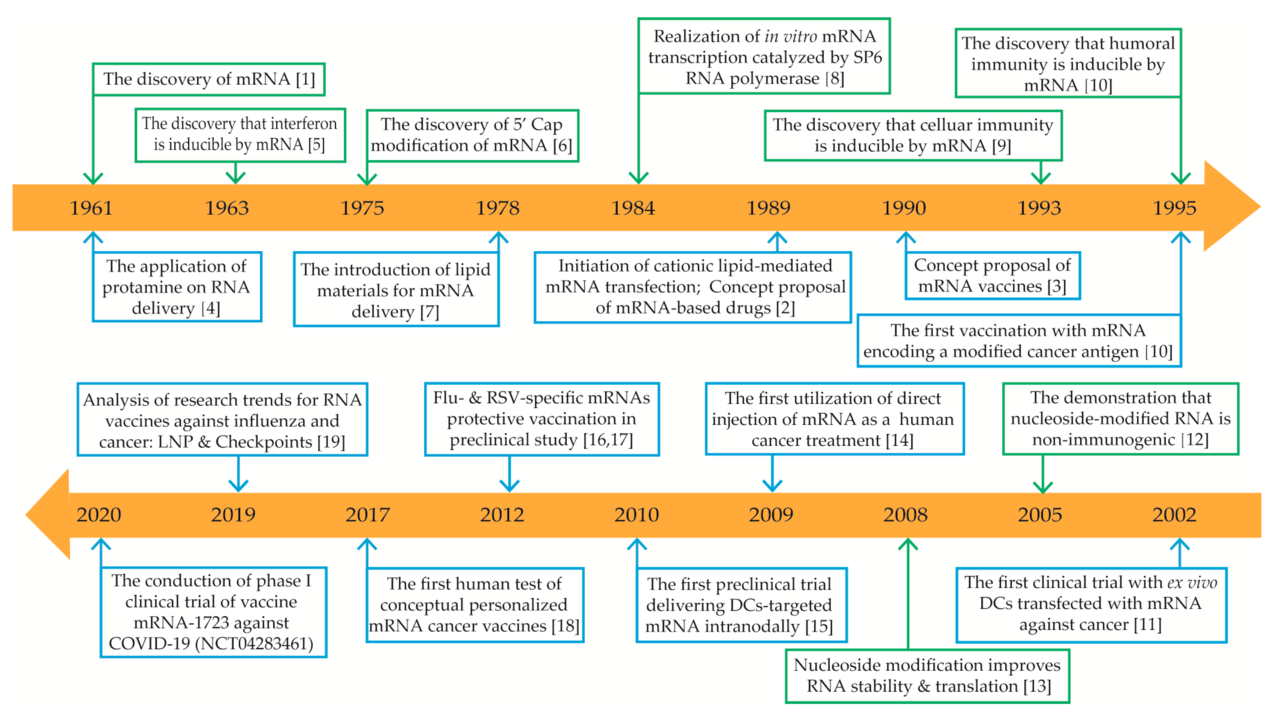
Research on mRNA technology began decades ago but advanced rapidly with improvements in mRNA stability, modified nucleosides to reduce innate immune reactions, and nanoparticle delivery. The platform gained widespread public attention when mRNA vaccines were deployed at scale during the early 2020s to combat emerging viral outbreaks.
Uses and examples
- Prevention of viral infections by encoding viral surface proteins as antigens.
- Rapid vaccine design for new or mutating pathogens because sequences can be updated quickly.
- Experimental cancer vaccines that direct immune responses against tumor-associated antigens.
Advantages and limitations
Advantages include fast design and manufacturing, strong immune responses, and no need to grow live pathogens. Limitations can include cold-chain storage requirements for some formulations, reactogenicity (temporary side effects like fever or soreness), and ongoing challenges in delivering mRNA to certain tissues.
Safety and regulation
mRNA vaccines undergo the same phased clinical testing and regulatory review as other vaccines. Common short-term side effects reflect immune activation; serious adverse events are rare and are monitored closely by health authorities. Long-term safety data continue to be collected as experience with the platform grows.
Related articles
Author
AlegsaOnline.com Messenger RNA (mRNA) vaccines: principles, development, and uses Leandro Alegsa
URL: https://en.alegsaonline.com/art/64107
Sources
- horizon-magazine.eu : "Five things you need to know about: mRNA vaccines"
- nature.com : "mRNA vaccines — a new era in vaccinology"
- doi.org : 10.1038/nrd.2017.243