
Meir Shamgar (1925–2019)
Israeli jurist and former military officer Meir Shamgar served as Chief Justice of Israel's Supreme Court (1983–1995). A former Irgun member, he helped shape modern Israeli constitutional and administrative law.

Overview
Meir Shamgar (Hebrew: מאיר שמגר) was an Israeli jurist and former military officer who served as President (Chief Justice) of the Supreme Court of Israel from 1983 until 1995. Born in the Free City of Danzig in 1925, he became active in the Zionist underground before building a long legal career that combined military service, public commissions and senior judicial office. He died in October 2019 at the age of 94.
Image gallery
5 Images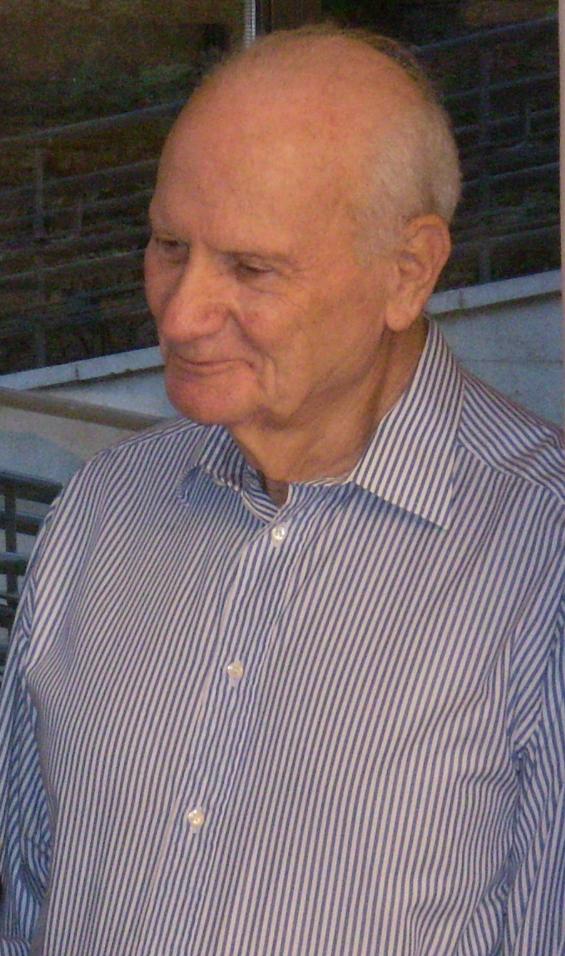
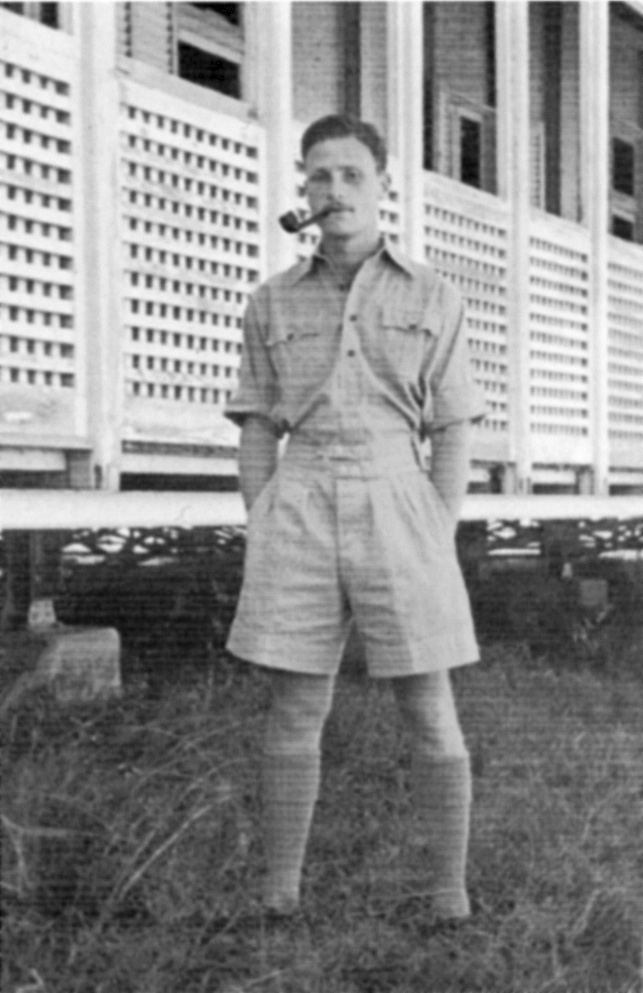

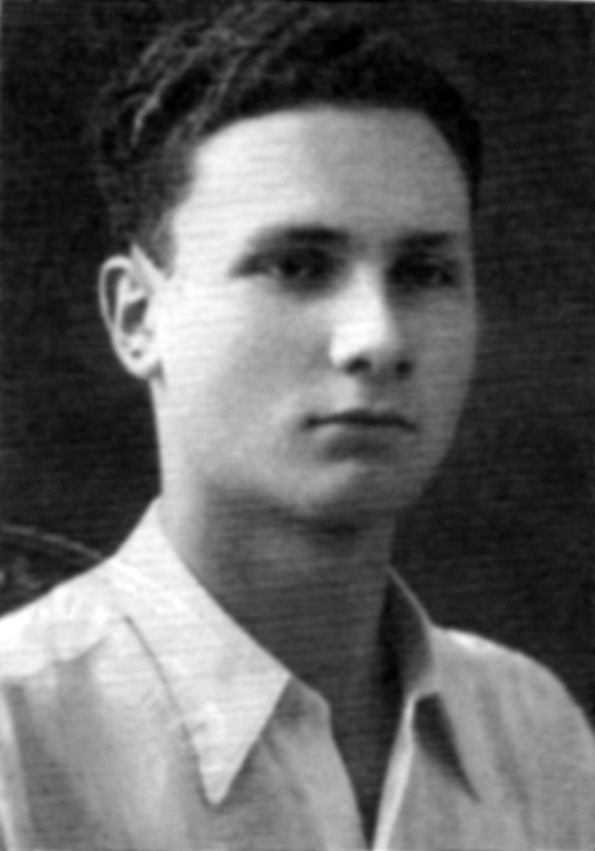

Early life and formative years
Shamgar was born into a Jewish family in Danzig and emigrated to what was then Mandatory Palestine in his youth. He took part in the political and military life of the Yishuv, including membership in the paramilitary group Irgun. Those formative experiences in a community under stress informed his later work on issues where security, national policy and individual rights intersect.
Legal and military career
After legal training, Shamgar served in roles that bridged military and civilian law. Over decades he held senior posts in Israel’s legal establishment, combining courtroom work, advisory duties and public inquiries. His professional path led to appointment to the Supreme Court, where he eventually became Chief Justice and presided over the court’s work during a period of expanding constitutional review and administrative-law development.
Judicial leadership and jurisprudence
As Chief Justice, Shamgar was associated with the consolidation of judicial review and the articulation of principles balancing state security with civil liberties. His court guided the development of administrative law, the protection of fundamental rights through basic-law frameworks, and the judiciary’s role vis-à-vis the executive and legislature. He wrote and joined numerous opinions that shaped modern Israeli legal doctrine.
Legacy and significance
Shamgar is remembered as a jurist who brought practical military and governmental experience into a judicial role, helping to refine the legal structures of a young state. Notable aspects of his career include:
- service in security and legal roles during Israel’s formative decades;
- leadership of the Supreme Court through a period of institutional consolidation;
- influence on administrative, constitutional and human-rights jurisprudence.
His career illustrates how personal history, military service and legal scholarship combined to influence Israel’s legal system in the late 20th century. For further reading in Hebrew and organizational histories, see the references associated with his name and the Irgun movement through the links above.
Related articles
Author
AlegsaOnline.com Meir Shamgar (1925–2019) Leandro Alegsa
URL: https://en.alegsaonline.com/art/63588
Sources
- news1.news : Former President Meir Shamgar passed away at the age of 94