
Meiō (Japanese era, 1492–1501)
Meiō was a Japanese era name from July 1492 to February 1501 in the late Muromachi period, spanning the reigns of emperors Go‑Tsuchimikado and Go‑Kashiwabara and reflecting political fragmentation of the time.
Overview
The Meiō era (明応, Meiō) is a Japanese era name or nengō that lasted from July 1492 to February 1501. It follows the Entoku era and precedes the Bunki era. The period falls within the late Muromachi (Ashikaga) era of Japanese history, a time marked by weakened central authority and growing power among regional warlords.
Image gallery
3 Images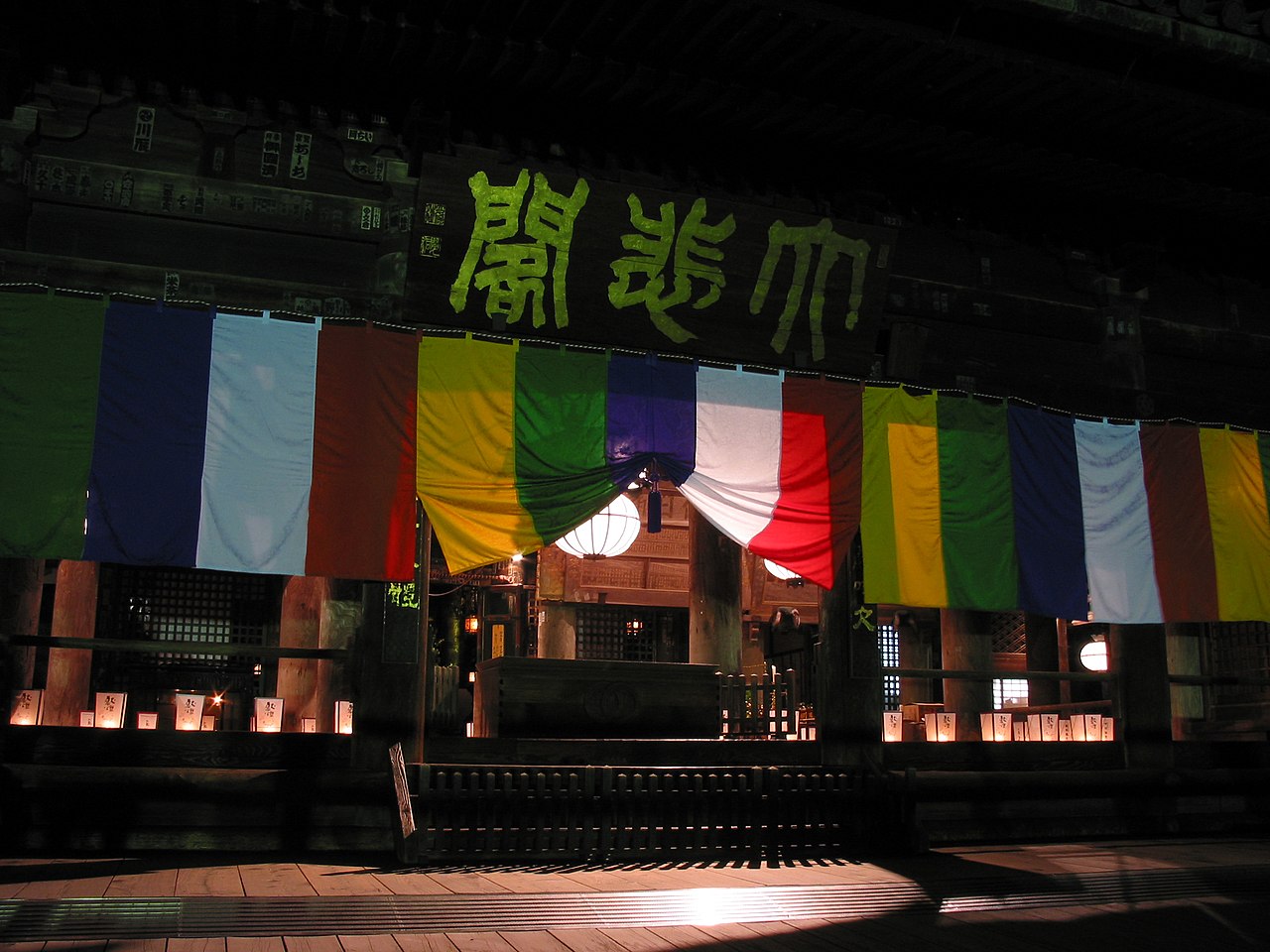

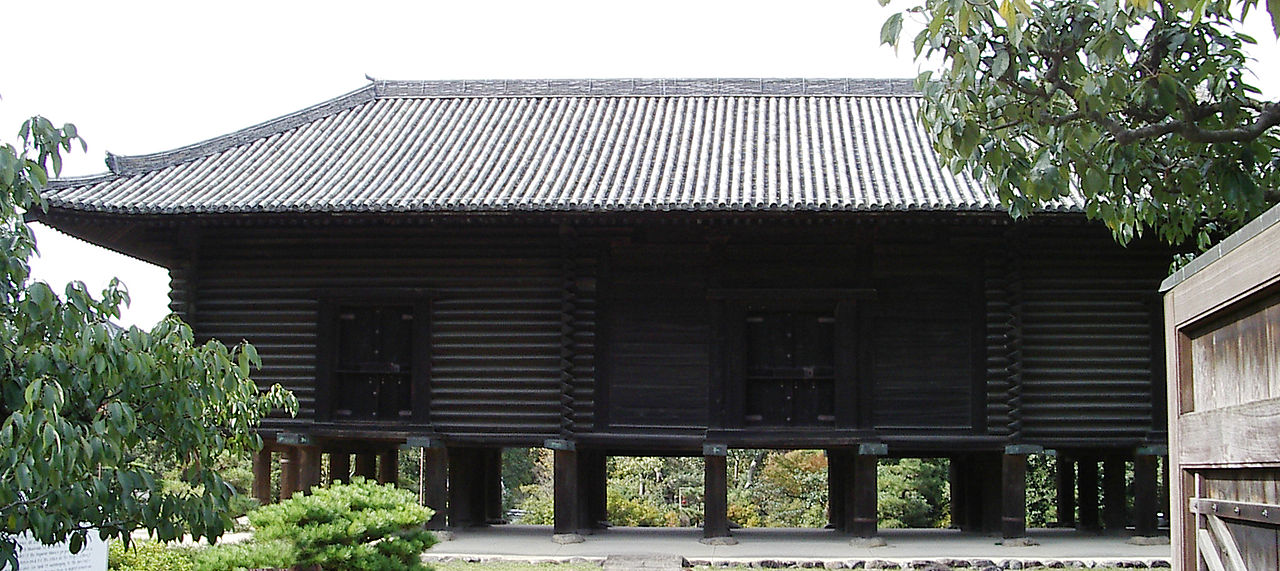
Chronology and imperial succession
The era covers the later years of Emperor Go‑Tsuchimikado (後土御門天皇) and the beginning of Emperor Go‑Kashiwabara (後柏原天皇). The imperial transition that brought Go‑Kashiwabara to the throne occurred near the end of the Meiō era, a reminder that era names often span multiple reigns and political chapters.
Historical context and characteristics
Meiō belongs to a phase of Japanese history characterized by decentralization: the shogunate in Kyoto exercised limited control while provincial daimyo consolidated local authority. Although not identified by any single emblematic nationwide event, the era sits within the broader transformation that led into the Sengoku ("Warring States") period. Cultural life—court rituals, literature, and artistic practices connected to Buddhism and the tea tradition—continued alongside regional military contestation.
Uses and significance
Era names like Meiō served administrative, calendrical, and symbolic functions. They marked official years in court documents, were invoked in temple records and chronicles, and provided a framework for dating events. Changes of era could be prompted by auspicious signs, natural disasters, or political decisions. Meiō therefore functions as both a chronological label and a lens for historians tracing late 15th‑century developments.
Quick facts
- Start: July 1492 (Meiō 1)
- End: February 1501 (Meiō 10), followed by the Bunki era
- Preceded by: Entoku
- Principal emperors: Go‑Tsuchimikado and Go‑Kashiwabara
Notable considerations
When studying Meiō, it is useful to view the era within overlapping political, cultural, and regional narratives rather than as a period defined by a single event. Primary sources from the time—court records, temple chronicles and regional documents—often use the era name for dating, making Meiō an important reference point for scholars reconstructing the late Muromachi landscape.
Related articles
Author
AlegsaOnline.com Meiō (Japanese era, 1492–1501) Leandro Alegsa
URL: https://en.alegsaonline.com/art/63581
Sources
- books.google.com : "Mei-ō"
- books.google.com : "Go-Tsuchimikado Tennō,"
- books.google.com : "Go-Kashiwabara Tennō,"
- books.google.com : Annales des empereurs du Japon, pp. 352-364.
- books.google.com : p. 364
- books.google.com : p. 362.
- books.google.com : "Hase-dera"
- ngdc.noaa.gov : National Geophysical Data Center
- ngdc.noaa.gov : NOAA/Japan: Significant Earthquake Database
- books.google.com : p. 363-364
- kunaicho.go.jp : 後土御門天皇 (103)