
Megabyte (MB)
A megabyte is a unit of digital information commonly used for storage and memory. It can mean 10^6 bytes (decimal) or, historically, 2^20 bytes (binary); standards clarify this distinction.
Overview
A megabyte, abbreviated MB, is a unit for measuring digital information such as file sizes, memory capacity, and storage. In everyday language it denotes a large quantity of bytes and is used when discussing devices like hard drives and computer memory. The term helps communicate scales larger than kilobytes but smaller than gigabytes.
Image gallery
2 Images
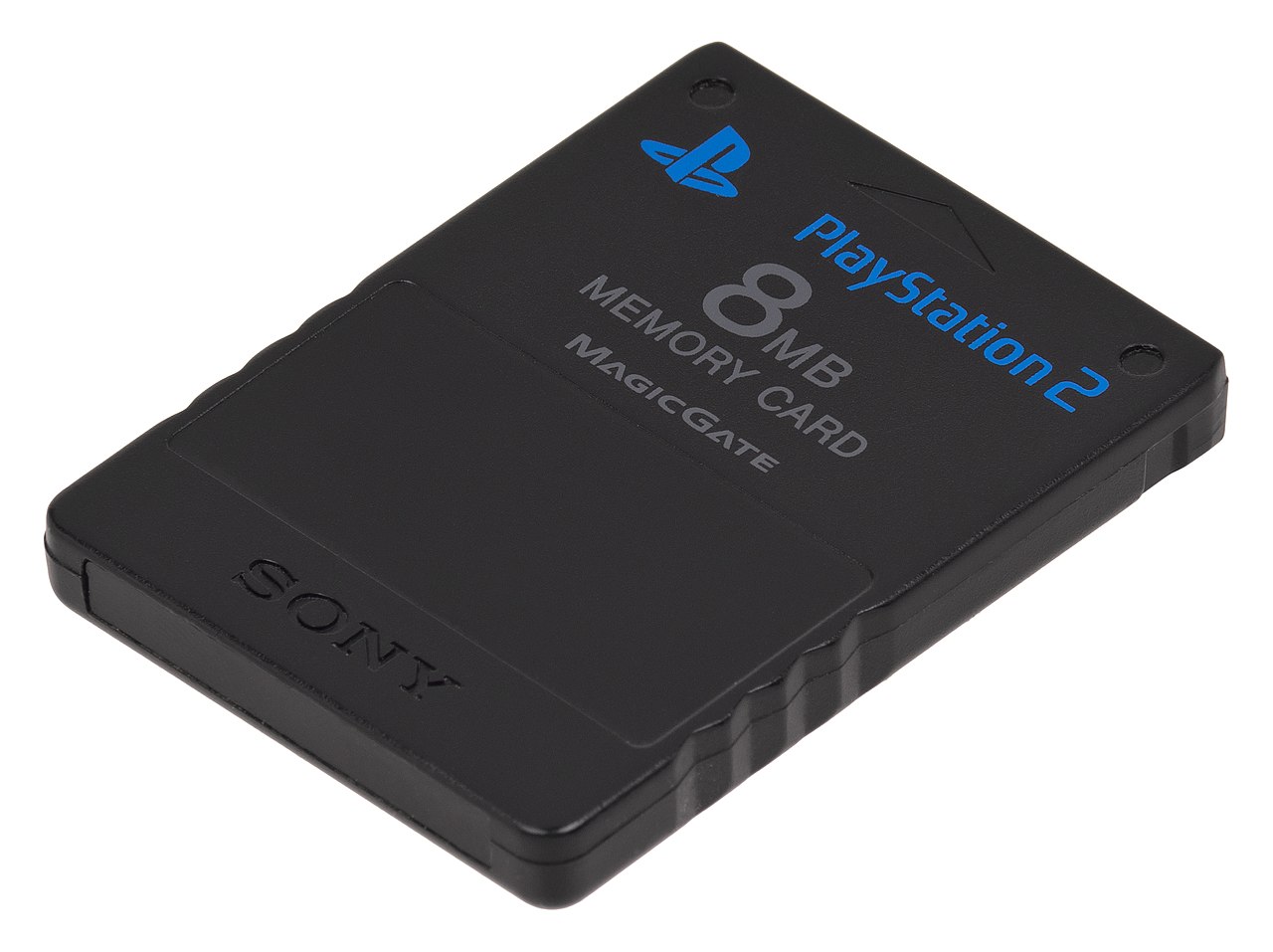
Definition and size
There are two common senses of "megabyte": the decimal definition, where one megabyte equals 1,000,000 bytes (10^6), and the binary definition, where it has historically been used to mean 1,048,576 bytes (2^20). The decimal form aligns with SI prefixes (mega = 10^6), while the binary form arises from powers of two used in computing. When describing multiples, one thousand megabytes (decimal) equals one gigabyte in SI terms.
History and standards
Early computing often used powers of two for memory, so 1 MB commonly meant 2^20 bytes. To reduce confusion, standards bodies introduced distinct binary prefixes: the IEC defined the mebibyte (MiB) in 1998 to unambiguously mean 2^20 bytes; this is documented alongside SI usage. The distinction affects how manufacturers and software report capacity: some vendors report sizes using decimal MB, while some operating systems report sizes using binary-oriented units.
Uses and examples
Megabytes are used to express the size of documents, photos, short audio files, and small applications. Typical examples include:
- Text documents and spreadsheets: often under a few MB depending on embedded content.
- Photos from smartphone cameras: commonly several MB each.
- MP3 audio tracks: often a few MB per song depending on length and bitrate.
When checking capacity specifications for storage or memory, consult the device documentation or the manufacturer to see whether numbers use decimal megabytes or binary-based measurements such as the mebibyte. For conversions, resources and guides are available online and in technical references (bytes, kilobytes, gigabytes).
Common confusions and notable facts
Confusion between 1,000,000 and 1,048,576 bytes can lead to apparent discrepancies in reported capacity: a storage device labeled using decimal MB may appear smaller when an operating system reports sizes using binary units. To reduce ambiguity, technical writing increasingly uses MB for 10^6 bytes and MiB for 2^20 bytes, but casual usage still varies. Understanding which definition is in use helps interpret specifications correctly.
Related articles
Author
AlegsaOnline.com Megabyte (MB) Leandro Alegsa
URL: https://en.alegsaonline.com/art/63497