
Mega Man 8 (Rockman 8) — overview, gameplay, and legacy
Mega Man 8 is a mid-1990s platform action game by Capcom for PlayStation and Sega Saturn, noted for animated cutscenes, voiced dialogue, and classic Mega Man stage-and-boss structure.
Overview
Mega Man 8, released in the mid-1990s, is a platform action title from Capcom starring the franchise mascot Mega Man. In Japan the game carries the title Rockman 8 and it was produced for contemporary consoles including the PlayStation and the Sega Saturn. Its core identity follows the series formula of selectable stages, unique boss encounters, and acquiring special weapons to progress.
Image gallery
4 Images

Gameplay and main features
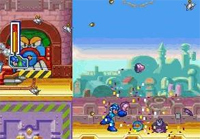
The game preserves the side-scrolling platform action that defines the series while adding presentation flourishes. Players run, jump, and shoot through themed stages before facing a Robot Master boss; defeating a boss grants a weapon or ability that can be used elsewhere. Common staples such as charge shots, health items and robot companions return alongside new enemy designs.
- Player progression: choose stage order, learn boss patterns, use earned weapons.
- Support mechanics: mobility upgrades and temporary aids to assist exploration.
- Presentation: animated cutscenes and spoken lines enhance the story scenes.
Presentation and technical notes
Mega Man 8 is notable within the series for its focus on animated sequences and voice work, which gave the title a more cinematic feel compared with earlier entries. The two console versions differ slightly in audio and loading behaviour; critics of the time commented on how the game combined classic 2D action design with higher-production audiovisual elements. The title retains crisp sprite work and level layouts while experimenting with larger, more detailed character art in menus and cutscenes.
Development, release and context
Developed by Capcom for fifth-generation hardware, the game appeared during a transitional era when many long-running franchises explored richer storytelling and higher production values. While staying true to the series' mechanics, the team adopted more elaborate cutscenes and voice performances to appeal to a broader console audience. The title sits alongside other contemporary entries as an example of adapting a traditionally 2D action series for newer platforms.
Reception and legacy
At release the game received attention for its visual presentation and faithful gameplay. Fans and reviewers often praise its boss design and stage variety, even as some commentary noted that the core mechanics remain conservative compared with newer platformers of the era. Over time Mega Man 8 is remembered as an important entry that bridged classic Mega Man design with a more cinematic approach, influencing how later titles balanced series tradition with modern presentation.
For further reading on regional titles, platform differences, and series chronology see references to the original video game entry and platform pages such as platform overview. Additional details on the PlayStation and Saturn releases are available through dedicated platform resources: PlayStation and Sega Saturn.
Related articles
Author
AlegsaOnline.com Mega Man 8 (Rockman 8) — overview, gameplay, and legacy Leandro Alegsa
URL: https://en.alegsaonline.com/art/63489