
Mein Kampf: origin, content, editions, and historical legacy
An overview of Mein Kampf: its creation, structure, themes, publication history, legal status, reception, and role in 20th‑century history and extremist studies.
Mein Kampf (German for "My Struggle") is a political manifesto and autobiographical work associated with Adolf Hitler. It was composed in two volumes during the 1920s, with substantial help from close associates such as Rudolf Hess and other collaborators. The first volume was written while the author was imprisoned after the failed 1923 Beer Hall Putsch; the second volume followed his early release. The work combines memoir, political argument and programmatic statements that set out a worldview built around aggressive nationalism, racial antisemitism and expansionist ideas.
Image gallery
4 Images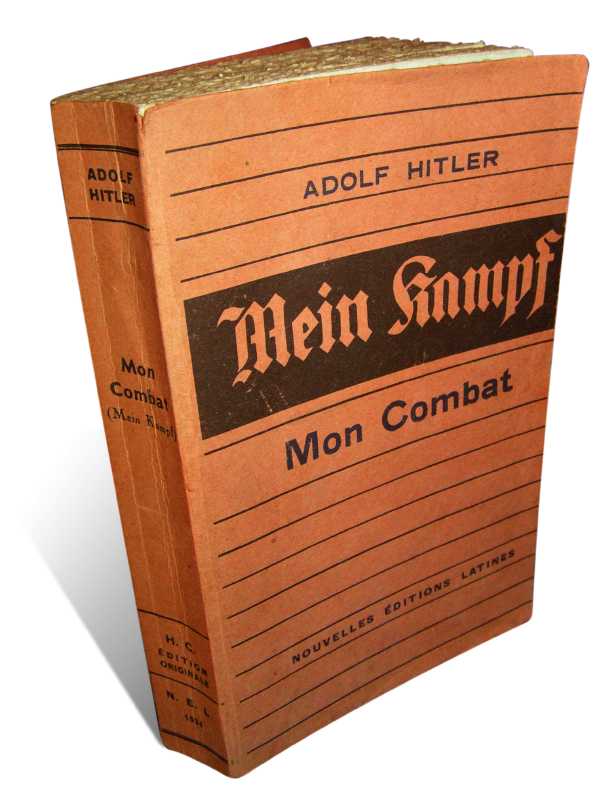

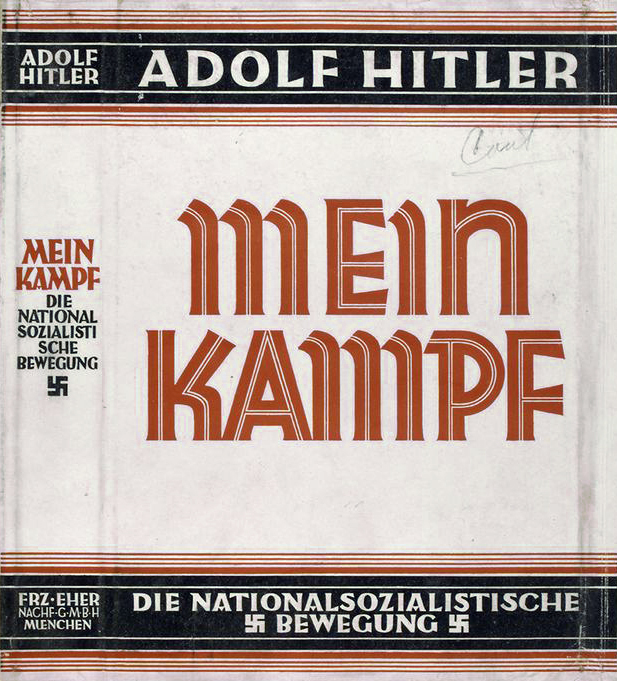

Structure and composition
The book is divided into two main parts and contains a mix of autobiographical material, political theory and polemic. It was produced through dictation and revision, and later editions were edited and altered with the help of supporters and editorial staff; contemporary observers and scholars have noted that multiple hands likely contributed to later changes, sometimes described as work by ghostwriters. Early editions were published separately; the volumes were sold individually before appearing together in a single volume.
Themes and rhetoric
Mein Kampf articulates a set of ideological claims that combine ethno‑nationalism, antisemitic conspiracy theories, social Darwinist metaphors and a demand for territorial revision and expansion. The text presents Jews as a political and racial threat and sketches out methods of exclusion and persecution that later informed state policy. Scholars emphasize both the extreme content and the rhetorical style of the work: much of it is polemical, repetitive and often incoherent, and many commentators have described it as poorly written even while recognizing the gravity of its ideas.
Publication history and distribution
From the mid‑1920s through the Nazi era, Mein Kampf went through several printings and editorial revisions. Prices, formats and distribution practices changed over time; at one point each volume had its own retail price and, under Nazi rule, the book was widely distributed as part of political outreach. It was sometimes issued gratis by official channels to new citizens or newly married couples as a means of spreading ideology and recruiting followers. Governments and parties used the book as both a statement of intent and a piece of propaganda; contemporary critics and later historians view these distribution practices as part of a larger state effort to normalize and popularize extremist views.
- First volume: written in prison after the 1923 putsch.
- Second volume: prepared after release, completing the political program.
- Multiple revised editions appeared between the 1920s and 1945.
Legal status, scholarly treatment and reception
After the Second World War, publication and reprinting of Mein Kampf were restricted in several countries. In Germany and Austria, for example, postwar authorities placed limits on new editions; at the same time private ownership and second‑hand sales were generally not criminalized. The book has been the subject of extensive historical study and legal debate: some consider it a key primary source for understanding Nazi ideology and the origins of policies that culminated in mass murder, including the Holocaust, while others warn that republication without critical context can serve propaganda purposes. Consequently, annotated and critical editions prepared by historians have been produced to provide context and scholarly commentary.
Historical impact and notable facts
Mein Kampf is widely regarded as a central text in the intellectual history of 20th‑century German fascism and has been described by commentators as among the most harmful or "most evil" political tracts because of the consequences of the policies it espoused. The book played a role in the formation and communication of state policy under the Nazi government in Germany, and its ideas contributed directly and indirectly to the genocidal violence that historians classify as a genocide. Debate continues over questions of access, censorship and the best ways to teach and remember extremist texts in democratic societies.
Because the subject raises strong moral and legal issues, modern study of Mein Kampf tends to emphasize critical analysis, historical context and careful annotation rather than uncritical dissemination. Researchers, educators and journalists consult the work as a primary document for understanding how ideas translate into policy and violence, and as a case study in propaganda, radicalization and authoritarian politics. For further reading and archival materials, see specialist bibliographies and scholarly introductions, or consult reputable historical reference sites and university resources such as source guides and institutional collections. Additional context on wartime chronology and aftermath is available in works covering the Second World War and its political consequences.
For biographical context and contemporary reaction to the text, additional entries discuss the lives of its collaborators, including Rudolf Hess, and the pattern of public dissemination and critique, including commentary that places the book in the broader history of political propaganda and extremist literature (pricing and publication history, propaganda analyses).
Questions and answers
Q: What is Mein Kampf?
A: Mein Kampf is a book written by Adolf Hitler and Rudolf Hess. It consists of two parts, with the first part written by Hitler while he was in jail in Landsberg am Lech and the second part written after his early release from jail.
Q: Who helped Hitler write the book?
A: Rudolf Hess helped Hitler write the book, but he is not mentioned as an author.
Q: How much did each volume cost when they were sold separately?
A: When they were sold separately, each volume cost 12 Reichsmark.
Q: How often was the text revised?
A: With each new edition of the book, the text was revised to clarify those parts that were unclear. This work was likely done by ghostwriters around Hitler.
Q: What does the book talk about?
A: In the book, Hitler describes his view of greater Germany and his future plans for Jews. When he came to power in 1933, some of these plans were realized which resulted in The Holocaust genocide.
Q: Why was it given away for free during Nazi rule?
A: The book was given away for free at civil registry offices during Nazi rule because it served as propaganda to recruit members into their party.
Q: Why has it been called "the most evil book in history"? A: The book has been called "the most evil book in history" due to its content which details Adolf Hitler's views on greater Germany and his plans for Jews which ultimately led to The Holocaust genocide when he came into power in 1933. Historians and journalists who have read it also say that it is a badly written book.
Related articles
Author
AlegsaOnline.com Mein Kampf: origin, content, editions, and historical legacy Leandro Alegsa
URL: https://en.alegsaonline.com/art/63576