
Mega Man 2 — Overview, Gameplay, and Legacy
Mega Man 2 is a landmark side‑scrolling platform game by Capcom for the NES, known for its eight Robot Masters, inventive boss‑weapons system, memorable soundtrack, and lasting influence on action-platformers.
Overview
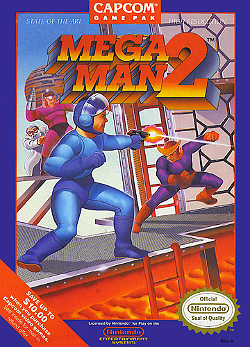
Mega Man 2 (Japanese title: Rockman 2: The Mystery of Dr. Wily) is a classic side‑scrolling platform video game developed by Capcom for the Nintendo Entertainment System. It is the second main entry in the long‑running Mega Man series and refined the formula of selectable stages, special weapons, and tight action that defined the franchise.
Image gallery
4 Images


Gameplay and features
Players control Mega Man as he traverses eight distinct stages, each guarded by a Robot Master. Defeating a boss grants its unique weapon, and many encounters are simplified by using the proper weapon against a boss’s weakness. The game emphasizes precise platforming, pattern recognition in boss fights, and resource management through limited health and the series' signature E‑Tank item.
Robot Masters and mechanics
The eight boss characters include familiar names such as Metal Man, Air Man, Bubble Man, Quick Man, Heat Man, Wood Man, Flash Man and Crash Man. Each Robot Master provides a themed weapon that changes how later stages and bosses are approached, creating a strategic loop that encourages experimentation with weapon order.
Development and release
Built on the technical limits of the 8‑bit NES, the game improved graphics, enemy variety, and music over its predecessor. Capcom refined level design and difficulty tuning, producing a title that was both accessible and rewarding to skilled players. It was released in the late 1980s and subsequently appeared in collections, ports and digital re‑releases.
Reception and legacy
Mega Man 2 is widely regarded as one of the high points of the series and of the NES era for its memorable soundtrack, tight controls, and replay value. It influenced future action‑platformers, spawned fan communities around speedrunning and music remixes, and helped cement Mega Man as a flagship franchise for its developer.
Notable facts
- The game popularized the core series loop: chooseable stages, boss weapons, and weapon‑based weaknesses.
- Its soundtrack and boss themes remain celebrated and frequently reinterpreted by fans and musicians.
- It continues to be reissued in compilations and digital services, keeping its design influential among modern retro releases.
Related articles
Author
AlegsaOnline.com Mega Man 2 — Overview, Gameplay, and Legacy Leandro Alegsa
URL: https://en.alegsaonline.com/art/63486