
Mechanically powered torch (hand-crank, shake and wind-up flashlights)
A torch that generates light from stored mechanical energy or on-demand mechanical motion, avoiding disposable batteries and offering reliable emergency illumination.
A mechanically powered torch is a portable light whose energy comes from a human-driven mechanical action rather than disposable batteries. Instead of inserting fresh cells, the user winds a spring, turns a crank, shakes the unit or squeezes a handle to generate electricity or to release stored mechanical energy. Such designs are popular for emergency kits, outdoor use and situations where battery replacement is difficult.
Image gallery
9 Images


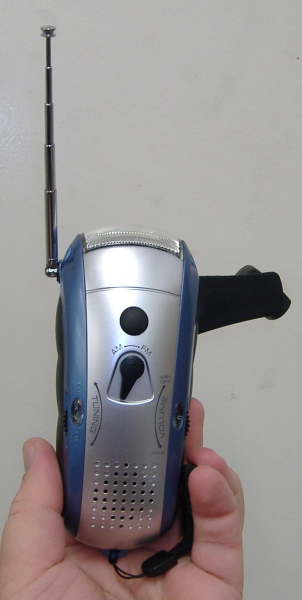
How it works
Several mechanical principles are used to produce light. Common approaches include electromagnetic induction (moving a magnet past a coil to create current), hand-crank dynamos, wound torsion springs that drive a small generator as they unwind, and squeeze mechanisms that press piezoelectric elements. Many mechanically powered torches also include a small energy buffer — a capacitor or rechargeable cell — to smooth output and increase usable runtime.
Typical features and mechanisms
- Shake/induction torches: magnets and coils produce current when shaken; often use LEDs and a capacitor.
- Hand-crank dynamos: rotating a crank turns a generator producing current directly or charging a buffer.
- Wind-up spring torches: a wound spring stores mechanical energy and drives a small generator as it unwinds.
- Squeeze or pressure types: user action compresses a mechanism that either drives a generator or activates piezoelectric elements.
Advantages and limitations
Advantages include independence from disposable batteries, readiness in remote locations, and long shelf life since there is no self-discharging primary cell to worry about. They are well suited to emergency preparedness and certain military or humanitarian contexts. Limitations are lower continuous output compared with high-capacity battery systems, limited run times per charge action, and added mechanical complexity that can wear over time.
Choosing and using one
Select a mechanically powered torch based on required brightness, expected use duration and build quality. Look for robust gearing and reliable electrical components; many useful models integrate a small rechargeable buffer so the light remains steady after cranking. For more technical background and design comparisons see additional resources and for consumer-oriented buying advice consult product guides.
Mechanically powered torches are not a one-size-fits-all replacement for batteries, but they provide a durable, low-dependency lighting option when battery resupply is impractical or sustainability is a priority.
Related articles
Author
AlegsaOnline.com Mechanically powered torch (hand-crank, shake and wind-up flashlights) Leandro Alegsa
URL: https://en.alegsaonline.com/art/63353