
Access control: principles, models, technologies, and biometrics
A concise reference to access control: definitions, models (DAC, MAC, RBAC, ABAC), physical vs digital enforcement, biometric methods, common uses, and privacy and security considerations.
Access control is the set of policies, processes and technologies that determine who or what may use a particular resource and under which conditions. The resource — often called an object — can be a physical item, a location, a service or a digital asset. Access control enforces decisions about admission and privileges by combining identification, authentication and authorization so that organizations can protect assets while enabling legitimate activity.
Image gallery
10 Images


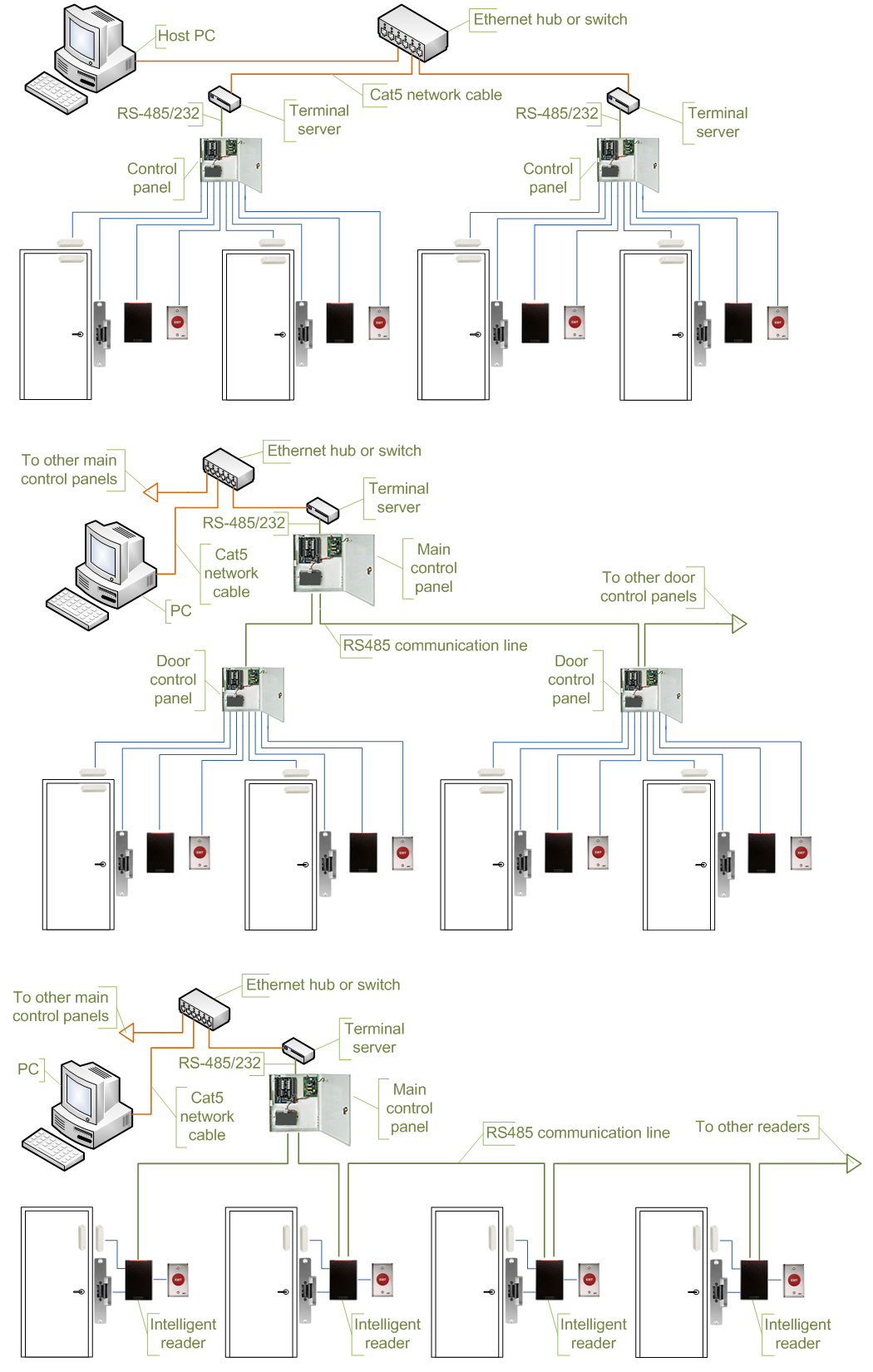


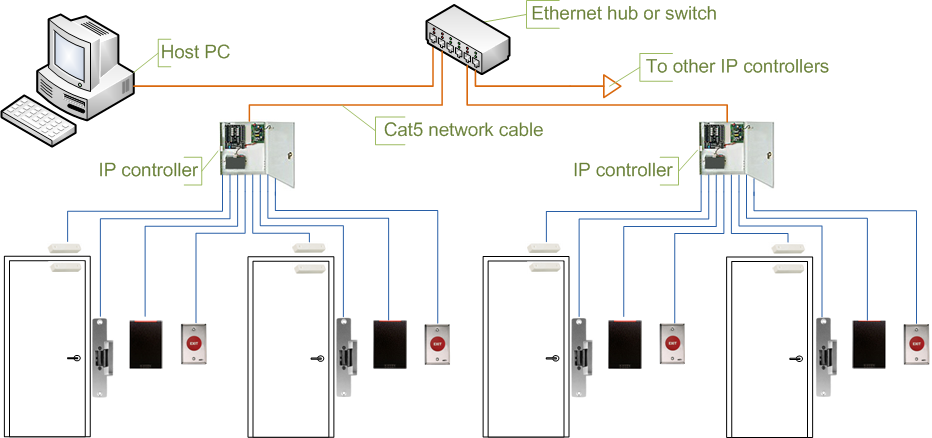
Core concepts and components
Access control separates the actor (a person, process or device) from the resource and relies on three fundamental steps: identifying the actor, authenticating their claimed identity, and authorizing specific operations. Identification can be a username or an electronic identifier; authentication uses something the actor knows (a password), has (a token or smart card) or is (a biometric trait). Authorization is the rule set that grants or denies actions. Implementation points include enforcement devices (locks, gates, software guards), policy stores (databases, directories) and audit/logging systems.
Common models
- Discretionary Access Control (DAC) — owners grant permissions to other subjects, typically via access control lists or capability tokens.
- Mandatory Access Control (MAC) — centrally controlled labels and rules restrict access according to classification and clearance.
- Role-Based Access Control (RBAC) — permissions are assigned to roles and users inherit permissions by role membership, simplifying administration in organizations.
- Attribute-Based Access Control (ABAC) — decisions use attributes of the subject, object and environment to allow fine-grained policy expressions.
Physical and digital examples
Access control applies to everyday physical settings — a cinema admitting only patrons with a valid ticket at a movie theater, an office using card readers or turnstiles, or a factory controlling machinery — as well as the digital world: file directories on a computer, cloud services and APIs protected by identity and access management systems. Physical controls include locks, badges and turnstiles; logical controls include access control lists, capability models, authentication protocols and federated systems like OAuth or SAML.
Biometrics and human traits
Biometric methods authenticate people based on physiological or behavioral traits. Common traits include fingerprint, iris and retina patterns, facial geometry, voiceprints and vein or palm patterns. Because many traits are unique, biometric systems — broadly called biometrics — are used for time clocks, secure entry and device unlocking. Typical fingerprints require a user to place a finger on a reader and the system matches a computed fingerprint template rather than storing raw images. Templates are numeric representations derived from measured features; matching compares templates within a tolerance to allow slight variations.
Advantages, limits and privacy
Access control reduces unauthorized use, provides accountability and supports compliance. Biometric methods are convenient and harder to share than passwords, but they raise privacy and error-rate concerns: false accept and false reject rates vary by sensor and algorithm, and biometric data, once compromised, cannot be reissued like a password. Good practice separates identification from authorization, stores templates securely, applies encryption and offers alternative authentication methods. Organizations must balance usability, security and legal requirements when choosing controls.
Deployment and notable trends
Organizations commonly combine multiple controls (multi-factor authentication) and adopt centralized policy management for consistency. Integration with directories and identity providers enables single sign-on and role provisioning. Physical-digital convergence continues: smart cards and mobile credentials pair with biometrics at readers and gates, while cloud services expose APIs protected by token-based access control. When evaluating systems, consider threat models, audit capabilities and user privacy. For more practical guidance and vendor-neutral standards, consult directory services, access management frameworks and industry best practices available from standards bodies and specialist resources (physical and digital deployments).
Examples and further reading: ticketed entry control at a movie theater, employee time and attendance using biometric systems, file permissions on a computer, and palm or fingerprint readers that compare template values instead of raw images. For vendor documentation, implementation patterns and privacy guidance, explore technical references and legal frameworks relevant to your jurisdiction.
Related articles
Author
AlegsaOnline.com Access control: principles, models, technologies, and biometrics Leandro Alegsa
URL: https://en.alegsaonline.com/art/632