
Max Schreck: the actor behind Nosferatu's Count Orlok
Max Schreck (1879–1936) was a German stage actor best known for his portrayal of Count Orlok in F. W. Murnau's silent film Nosferatu (1922). His theatrical training shaped a lasting screen image.
Max Schreck (Friedrich Gustav Max Schreck, 6 September 1879 – 20 February 1936) was a German actor who worked principally in the theatre and achieved lasting international fame for a single film role. He is best known for portraying the eerie vampire figure Count Orlok in the silent film Nosferatu, directed by F. W. Murnau in 1922. Though his screen appearances were few, that performance has secured his place in the history of early cinema.
Image gallery
2 Images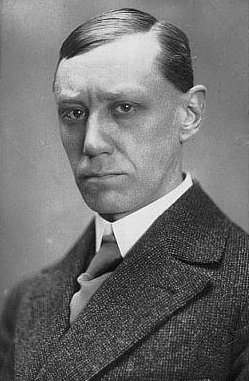

Biography and career
Schreck trained and worked as a stage actor in various German-speaking theatre companies. He built a reputation as a character player, comfortable with the physical demands of expressive stage roles. His professional life remained rooted in the theatre even after the international attention brought by his film work. He continued to be regarded primarily as a stage performer rather than a film star.
Nosferatu and the role of Count Orlok
In Nosferatu, an unofficial adaptation of Bram Stoker's Dracula, Schreck's performance depended on posture, movement and facial composition rather than speech. Costume, makeup and cinematography combined with his stillness, angular gestures and gaunt appearance to create one of the earliest enduring cinematic images of the vampire. The film later faced legal action that affected its distribution, but surviving prints allowed the image of Count Orlok to persist.
Acting style and influence
Schreck's background in theatre and in the physical techniques associated with German Expressionism helped translate stage craft to the silent screen. His work is often cited in discussions of how silent-era actors used body language and lighting to convey mood and character. Filmmakers, historians and critics continue to reference his Count Orlok when tracing the visual roots of screen horror.
Myths, portrayals and legacy
The memorable quality of Schreck's screen presence gave rise to legends and fictionalised accounts, including the playful suggestion that he was a real vampire; his surname (Schreck means "fright" in German) amplified such tales. These are cultural myths rather than biographical fact. His life and the making of Nosferatu have inspired later dramatizations and films that reinterpret the production. One well-known modern portrayal treats the actor and the shoot as the subject of imaginative retelling rather than straightforward biography.
- Best known screen association: Nosferatu (1922), as Count Orlok.
- Primary occupation: stage actor with limited film appearances.
- Legacy: cited in studies of Weimar cinema, expressionist performance and early horror imagery.
Schreck died in 1936. Today he is remembered mainly through film scholarship, retrospectives of Weimar-era cinema and popular accounts that celebrate the originality and visual power of his most famous role. For further reading and sources, see general references on German theatre and the production history of Nosferatu.
Related articles
Author
AlegsaOnline.com Max Schreck: the actor behind Nosferatu's Count Orlok Leandro Alegsa
URL: https://en.alegsaonline.com/art/63018
Sources
- max-schreck.com : "Max Schreck - Gespenstertheater"