
Maurice Maeterlinck
Belgian Symbolist playwright, poet, and essayist who wrote in French; Nobel Prize laureate (1911) known for plays such as Pelléas et Mélisande and The Blue Bird and for meditative, atmospheric drama.
Maurice Maeterlinck (29 August 1862 – 6 May 1949) was a Belgian writer whose work as a playwright, poet and essayist made him a central figure of the Symbolist movement. He wrote primarily in French and received the Nobel Prize in Literature in 1911 for a body of work that combined poetic language with philosophical reflection. Maeterlinck's writing often turns on questions of fate, death and the inner life, favoring mood and suggestion over linear action. His plays were influential across Europe and inspired adaptations in other media.
Image gallery
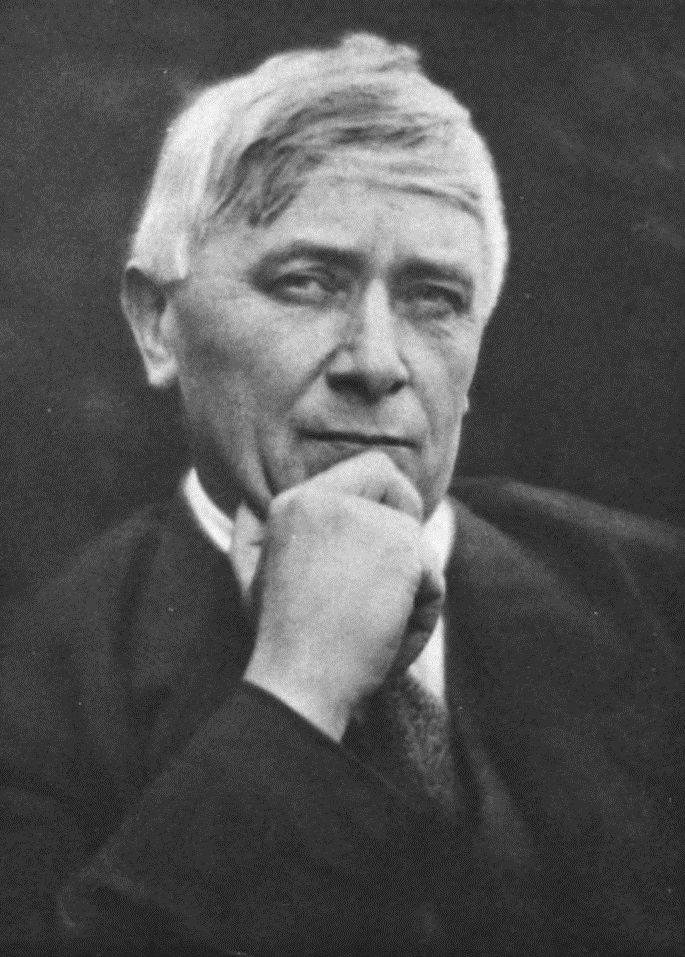
9 Images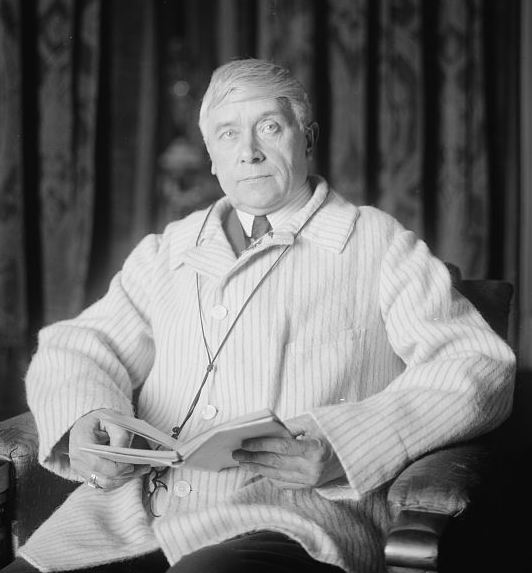




Style, themes and theatrical approach
Maeterlinck's dramatic method emphasizes atmosphere, silence and symbolic imagery. Rather than plotting conventions of late-19th-century drama, his pieces create a theatrical space where characters confront unknown forces or existential uncertainty. Critics describe his approach as contemplative and static: scenes function as tableaux in which light, sound and gesture carry much of the meaning. Recurring themes include mortality, the passage of time, the limits of human knowledge and a fascination with the border between life and death. He also wrote essays on nature and society that blend observation with philosophical meditation.
Major works
- Princess Maleine – an early play that brought him public attention and introduced his mythic, dreamlike cast of characters.
- Pelléas et Mélisande – his best-known drama, later adapted as an opera by Claude Debussy; the work exemplifies his use of suggestion, psychological tension and symbolic setting.
- The Blue Bird (L'Oiseau bleu) – a more accessible play aimed at a wider audience and often staged for younger viewers; it explores the search for happiness and the nature of wonder.
- Short plays and one-acts – such as "Interior" and "The Intruder," which compress mood and moral dilemma into brief, intense scenes.
- Essays – including natural-history meditations like The Life of the Bee, which combine scientific curiosity with symbolic reflection.
Life and career
Born into a French-speaking family in Ghent, Maeterlinck completed law studies at the University of Ghent in 1885 before moving for a time to Paris, France, where he entered literary circles. His theatrical breakthrough came in the 1890s and he became associated with Symbolist artists and critics. From 1895 to 1918 he lived with the singer and actress Georgette Leblanc; in 1919 he married the actress Renée Dahon, whom he had met during preparations for a staging of The Blue Bird. When Germany invaded Belgium in 1914 he attempted to enlist in the French Foreign Legion but was refused on grounds of age. After the First World War he accepted an invitation to the United States, where he worked for a time on film projects with producers including Samuel Goldwyn, though these ventures did not yield lasting cinematic success. In 1932 he was ennobled as a count by Albert I, King of the Belgians. Late honors included recognition from French institutions for his contribution to the language and letters. He spent his later years on the French Riviera and died in Nice in 1949.
Reception and legacy
Maeterlinck's reputation has been shaped by both admiration and criticism. Supporters prize his ability to render metaphysical and emotional states in poetic theatrical form; detractors have argued that his dramas can be remote and lacking in dramatic action. His influence can be traced in early-20th-century theater, opera and the wider Symbolist tendency in the arts. The Nobel Prize affirmed the international stature of his varied output—plays, essays, poems and prose meditations. Many of his pieces remain in repertory and continue to be staged in ways that foreground lighting, sound and nonverbal gesture as central theatrical elements.
Maeterlinck occupies a distinct place in modern letters: a writer who bridged late-19th-century symbolism and 20th-century experimentation, whose work interrogates the limits of knowledge and the human response to mystery. For readers and theatergoers, his plays offer concentrated experiences of mood and reflection rather than conventional narrative progression, and his essays reveal a curious mind attentive to both nature and the philosophical questions beneath everyday life.
Related articles
Author
AlegsaOnline.com Maurice Maeterlinck Leandro Alegsa
URL: https://en.alegsaonline.com/art/62965
Sources
- nobelprize.org : official Nobel Prize page